Industry news and insights for UK building safety and compliance
Building safety, compliance, and practical insight
Our news and insights cover the regulatory changes and industry developments that affect the people responsible for buildings: duty holders, developers, housing providers, and main contractors. We focus on what each change means in practice, drawing on real experience across asbestos, fire protection, land remediation, damp and mould, enabling works, and construction compliance. The aim is straightforward and free of jargon: clear, useful comment you can act on.
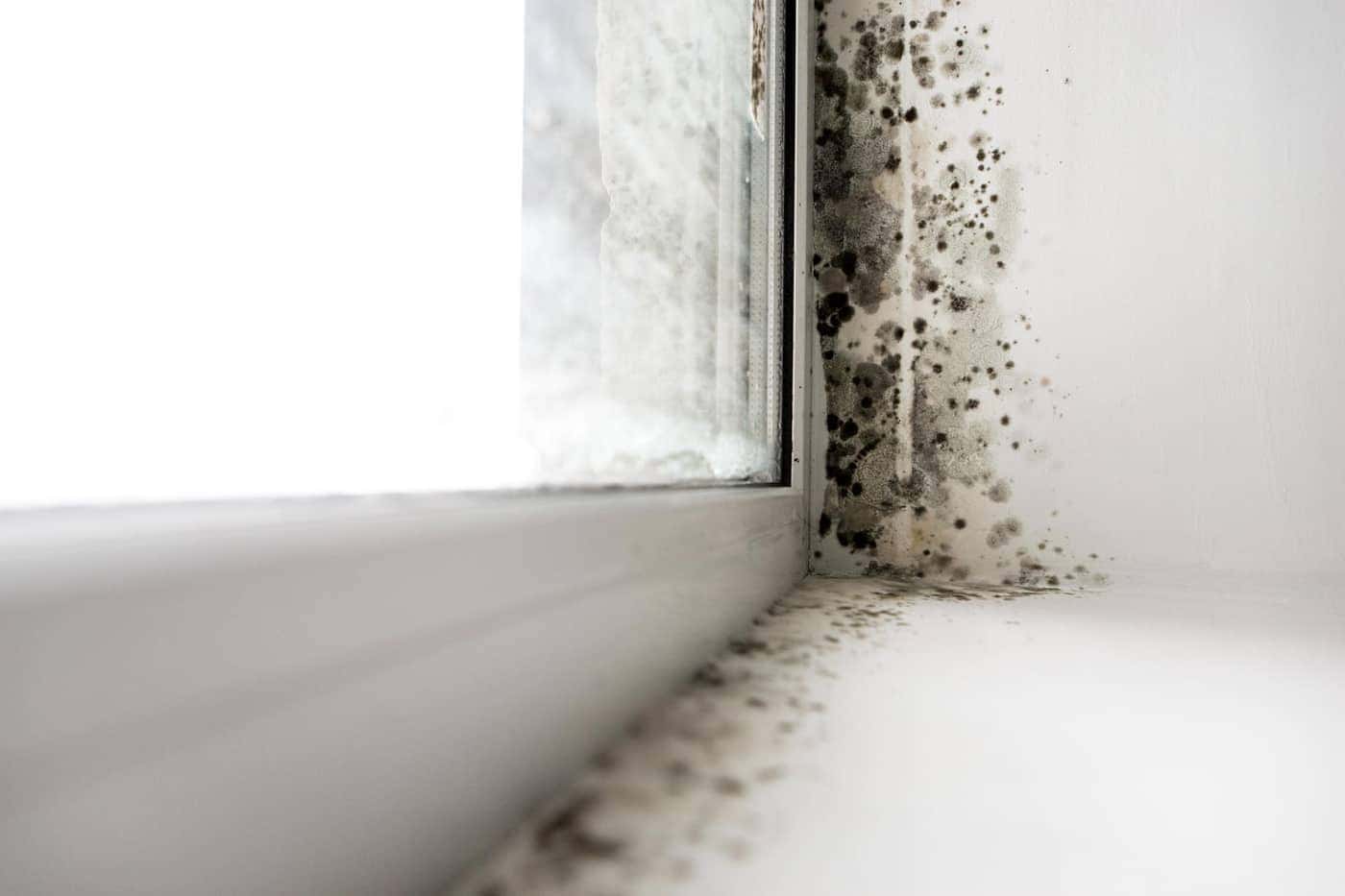
Why Treating Mould Isn't Enough: A Common Problem in Older UK Housing Stock
In areas across Kent, Essex and Greater London, damp and black mould keep coming back after treatment. The reason is almost always the same, the underlying cause was never properly addressed.
Find out more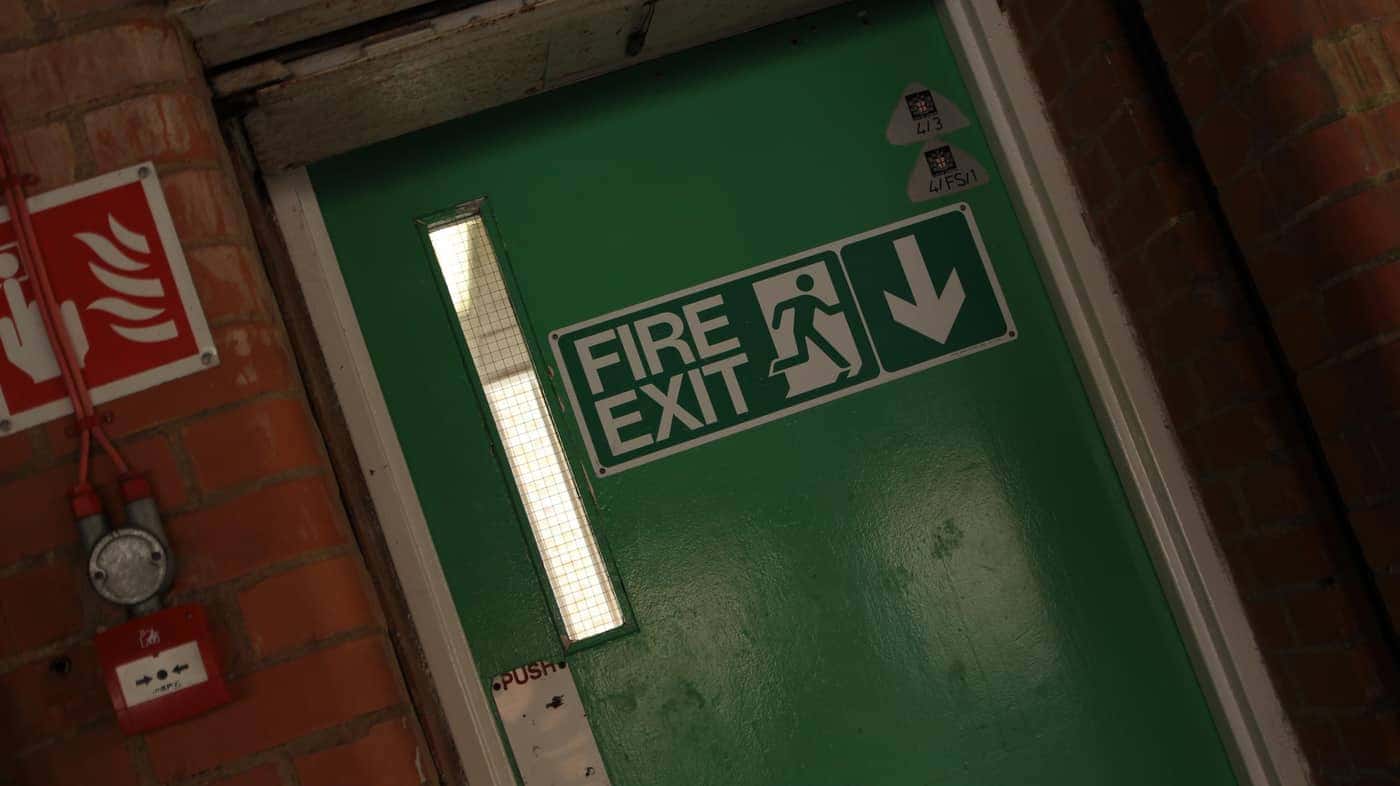 Fire Safety
Fire Stopping Audits: Increasing Demand Across Commercial & Residential Buildings
Building owners and managing agents across London and major UK cities are commissioning fire stopping audits in greater numbers than ever. Most are finding problems. Here's what's driving the demand, and what a proper audit actually involves.
 Damp and Mould
Awaab's Law and Its Impact on Housing Providers
Since Awaab's Law came into force in October 2025, social landlords, particularly across London and the Home Counties, are operating under strict legal deadlines for damp and mould investigations and repairs. The question now is whether response plans are actually working.
 Fire Safety
Why Passive Fire Protection Remains Under Scrutiny
Since the regulatory changes that followed Grenfell, passive fire protection has been under closer inspection than at any point in recent memory. Surveys across London and other major cities continue to surface the same categories of failure, and many buildings still aren't where they need to be.
 Asbestos Compliance
Why Asbestos Compliance Still Matters in London & the South East
Asbestos still exists in many buildings throughout London and the South East that were constructed before 2000. Recent enforcement efforts in Greater London indicate that management standards remain inadequate, resulting in serious consequences for duty holders who fail to comply.
 Asbestos Surveys
Refurbishment Projects: The Hidden Asbestos Risk
Refurbishment activity is increasing across Birmingham, Manchester, Leeds and other major UK cities. Asbestos is still being found mid-project, causing delays, programme overruns and health risks that a survey carried out at the right time would have prevented.
 Land Remediation
Why Early Enabling Works Matter on UK Development Sites
Construction delays across the Midlands and Northern England repeatedly stem from enabling-phase problems, undocumented services, contaminated ground, restricted access, that were entirely foreseeable. Early enabling works are what prevent them from becoming programme-defining.
 Land Remediation
Soft Strip Demolition and the Move Towards Sustainable Redevelopment
In cities such as London, Bristol, and Brighton, sustainability standards are transforming the way buildings are cleared out prior to redevelopment. Effective soft strip demolition salvages materials that would otherwise be sent to landfill, and this practice is more important than the industry has historically recognised.
 Land Remediation
Unlocking Brownfield Sites Across the UK
Brownfield development plays a key role in the UK's housing strategy, but soil contamination from past industrial activities continues to be a major obstacle to site development. Fortunately, with the appropriate methods, this technical challenge can be effectively addressed.
 Land Remediation
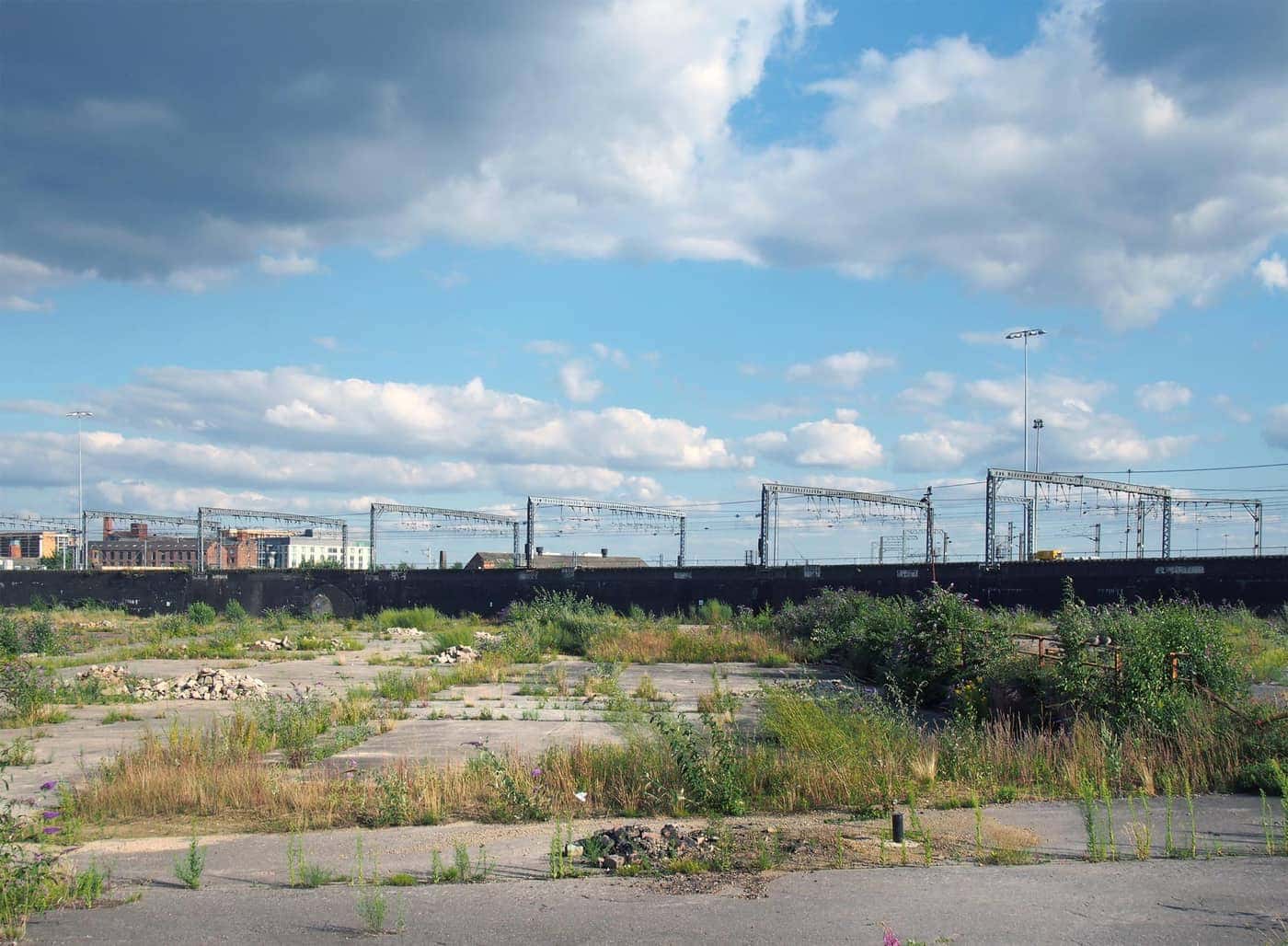
A Common Issue on Former Industrial Land: Asbestos in Soils
Asbestos contamination in made ground is becoming more common at former industrial sites, ports, and docklands in Essex, Kent, and the North West. Conducting early investigations can significantly influence the outcome, discovering it late usually does not.
 Construction FM
Construction Facilities Management Is No Longer Just Maintenance
Across public-sector estates, housing portfolios, and commercial properties, facilities management has shifted from a reactive cost driver to a proactive compliance and performance tool. The buildings that perform best have FM built into their thinking from the start.
 Construction FM
Supporting Net-Zero Targets Across the UK
The path to net zero runs through the UK's existing building stock, and most of it needs significant work before it gets there. For social housing providers and public sector estates, the challenge isn't the ambition. It's knowing where to start and how to sequence the investment.
 Fire Safety
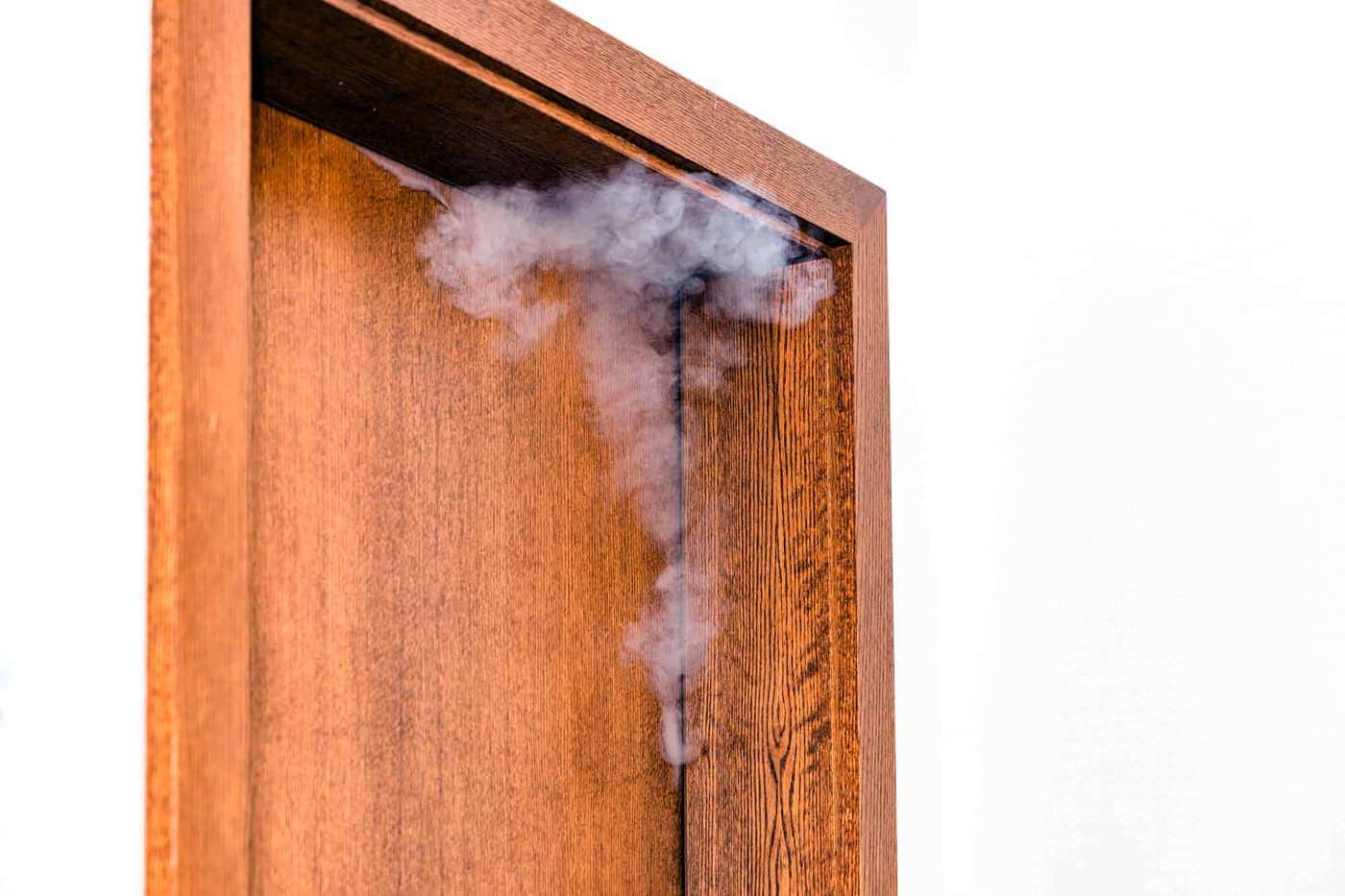
65% of Social Housing Fire Doors Are Failing, and the Inspection Records Make It Worse
A national study has found that nearly two-thirds of fire doors in social housing across England don't meet the legal minimum standard. The inspection data reveals the gap between obligation and reality is even wider than the headlines suggest.
 Asbestos Compliance
The HSE's Asbestos Consultation Has Closed: Here's What the Proposed Changes Mean in Practice
The HSE's public consultation on strengthening asbestos regulations closed in January 2026, with analysis and any proposed legislative changes expected in the coming months. Some of the proposals have direct practical implications for duty holders, building owners and anyone commissioning asbestos work.
 Fire Safety
A Quarter of Social Housing Blocks with Life-Critical Fire Defects Won't Be Fixed Before 2030
The Regulator of Social Housing has confirmed that more than one in four residential blocks identified with critical fire safety defects are not on track to be remediated within the next five years. For the residents living in them, that's a significant wait for a problem that's already been identified.
 Land Remediation
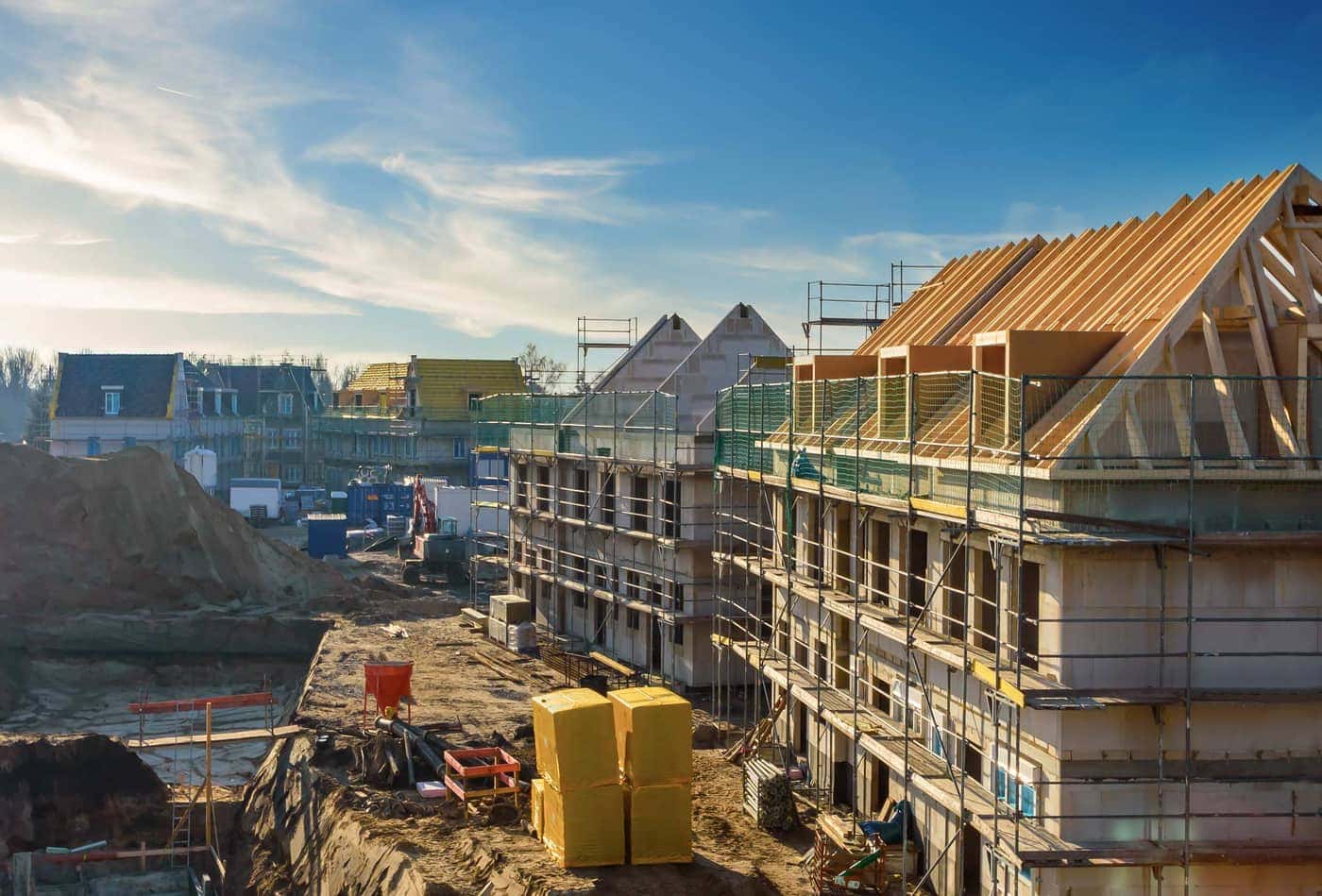
New Build Homes Are Averaging 140 Defects Each, and Most Come Down to Finishing Quality
NHBC's 2026 standards update has introduced new quality evidence requirements for housebuilders across England and Wales. The defect data behind the change shows that finishing trades are consistently where build quality falls short.
 Asbestos Surveys
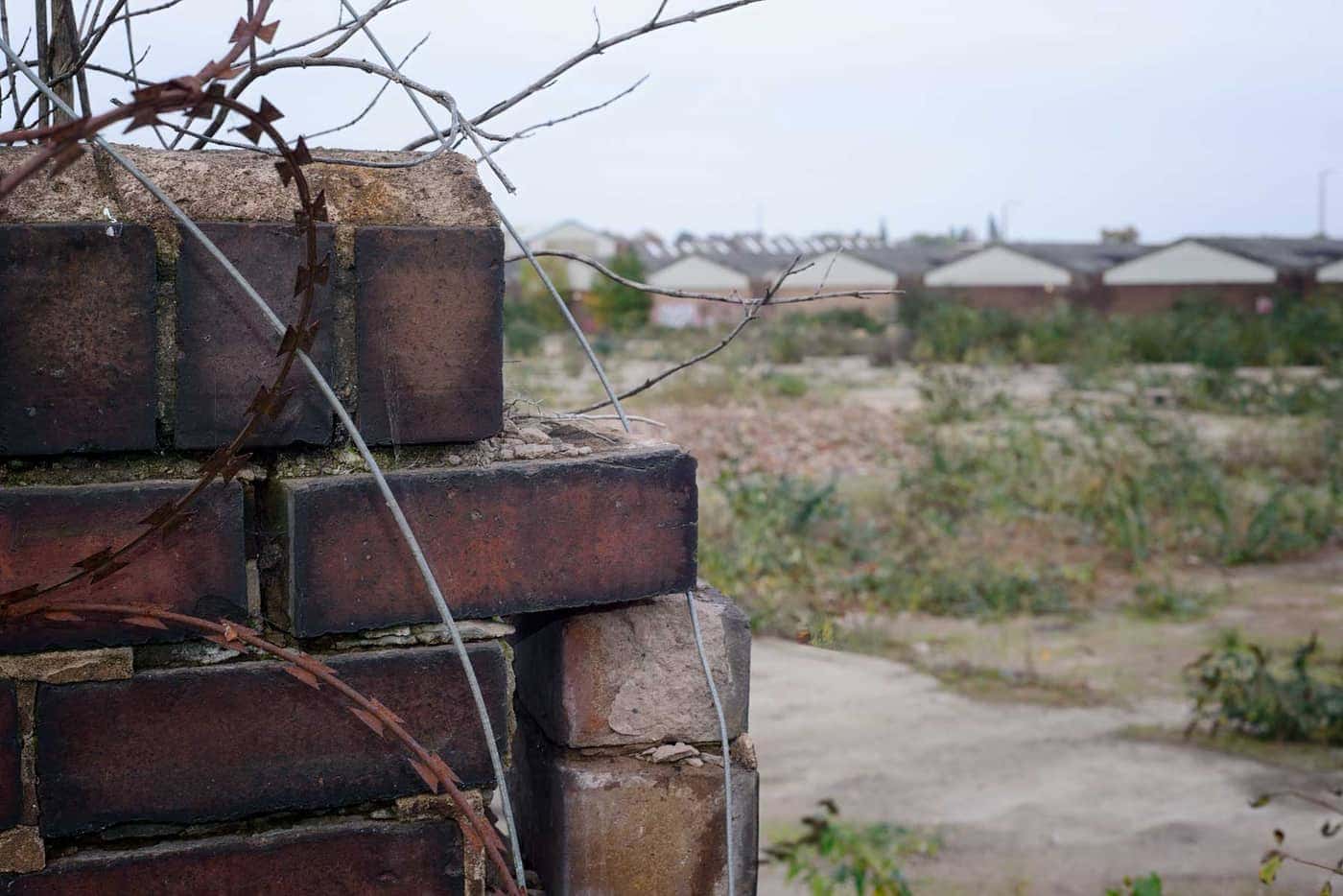
300,000 Potentially Contaminated UK Sites, and Most Don't Have Adequate Records
Research published in 2026 has highlighted the extent to which contaminated industrial sites across England remain inadequately documented. For developers working on brownfield land, the practical consequences of that gap are well understood.
 From the team
Your Asbestos Compliance Will Not Fail on Day One. It Fails Twelve Months Later
The mistake I watch duty holders make every single week, and how easy it is to avoid.
 From the team
If You Open With What Is Your Cheapest Price, We Are Probably Done Already
Why the lowest number is a red flag, not a starting point, in work that is driven by law.
 From the team
How to Spot a Good Asbestos Contractor Before You Sign Anything
Three checks that take about five minutes and tell you nearly everything you need to know.
 From the team
Most Contractors Pick a Lane. I Built Spectra to Do the Opposite
Why a broad offer beats a narrow one in the building safety world we work in today.
 From the team
Has the Industry Really Changed Since Grenfell? Here Is My Honest Answer
What is actually driving standards higher, what is not, and why progress is so uneven.
 From the team
The Part of the Job Clients Always Underestimate
Why the scope is nearly always bigger than you think, and why that is better found early.
 From the team
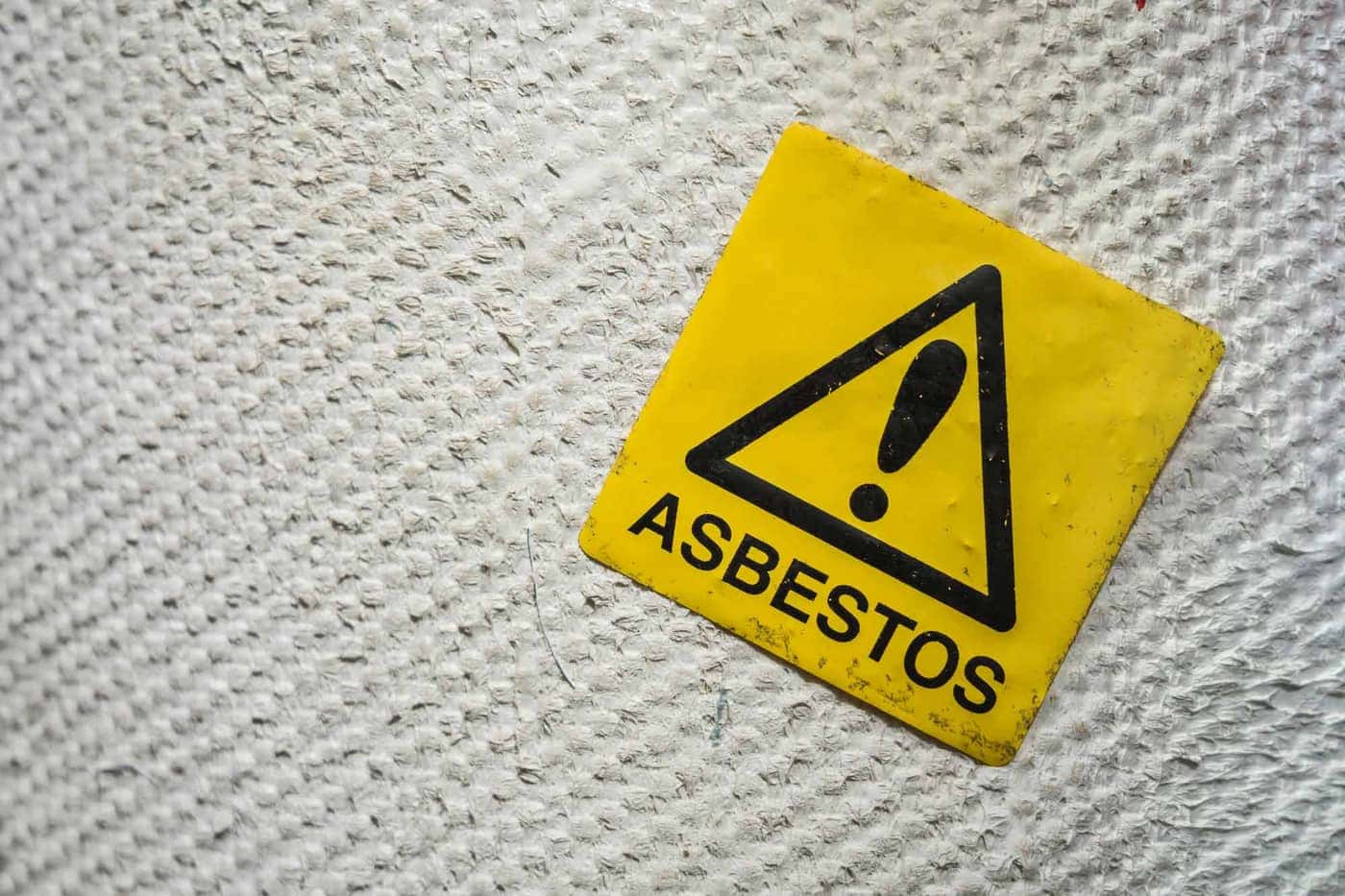
Your Asbestos Register Is Only as Good as the Last Time Someone Updated It
The most dangerous register is not the one you have not got. It is the one you think is fine.
 From the team
What Actually Makes a Poor Asbestos Survey, and How to Spot One Before You Commission It
We are all trained to the same standard. So why is the quality all over the place? Two words: human interpretation.
 From the team
Two Surveyors, One Material, Two Completely Different Answers
The scoring is where an asbestos survey is really made or ruined, and it is why training matters more than a ticket.
 From the team
Refurbishment or Demolition Survey? The Little Tick-Box That Trips Everyone Up
Two surveys, two completely different purposes, and one badly worded form that causes half the confusion I see.
 From the team
Why We Test the Air After a Survey, Even When the Law Does Not Make Us
Air monitoring after a survey is guidance, not a legal requirement. Here is why we still think it is worth it.
 From the team
What an Independent Clearance Really Checks, Starting With the Decon Unit
When we test the air after someone else's removal, the state of the site tells us most of the story before we have counted a single fibre.
 From the team
Surveying a Shop That Will Not Close: The Reality of Retail and Banking Surveys
The hardest surveys we do are not the dirtiest. They are the ones where the doors have to open again at nine the next morning.
 From the team
Digital Records Made the Reports Look Better. They Did Not Make the Surveys Better.
The technology is a recording platform, nothing more. A poor surveyor with a tablet is still a poor surveyor.
 From the team
Delivering Asbestos Removal at Scale Comes Down to the Round Table
On projects like Battersea, Ferrybridge and Shell Tower, the removal is rarely the hard part. Keeping everyone around it aligned is.
 From the team
What Value Engineering Actually Means in Licensed Asbestos Work
You cannot swap corners in a licensed industry. So the real value engineering happens long before we price the removal.
 From the team
A Framework Is a Relationship, Not a Contract
The first six to twelve months decide whether the next three years run smoothly or painfully. Here is where the effort should go.
 From the team
Working Where Everything Else Is Live
In a palace boiler room or a working rail environment, the removal is straightforward. Getting to it is not.
 From the team
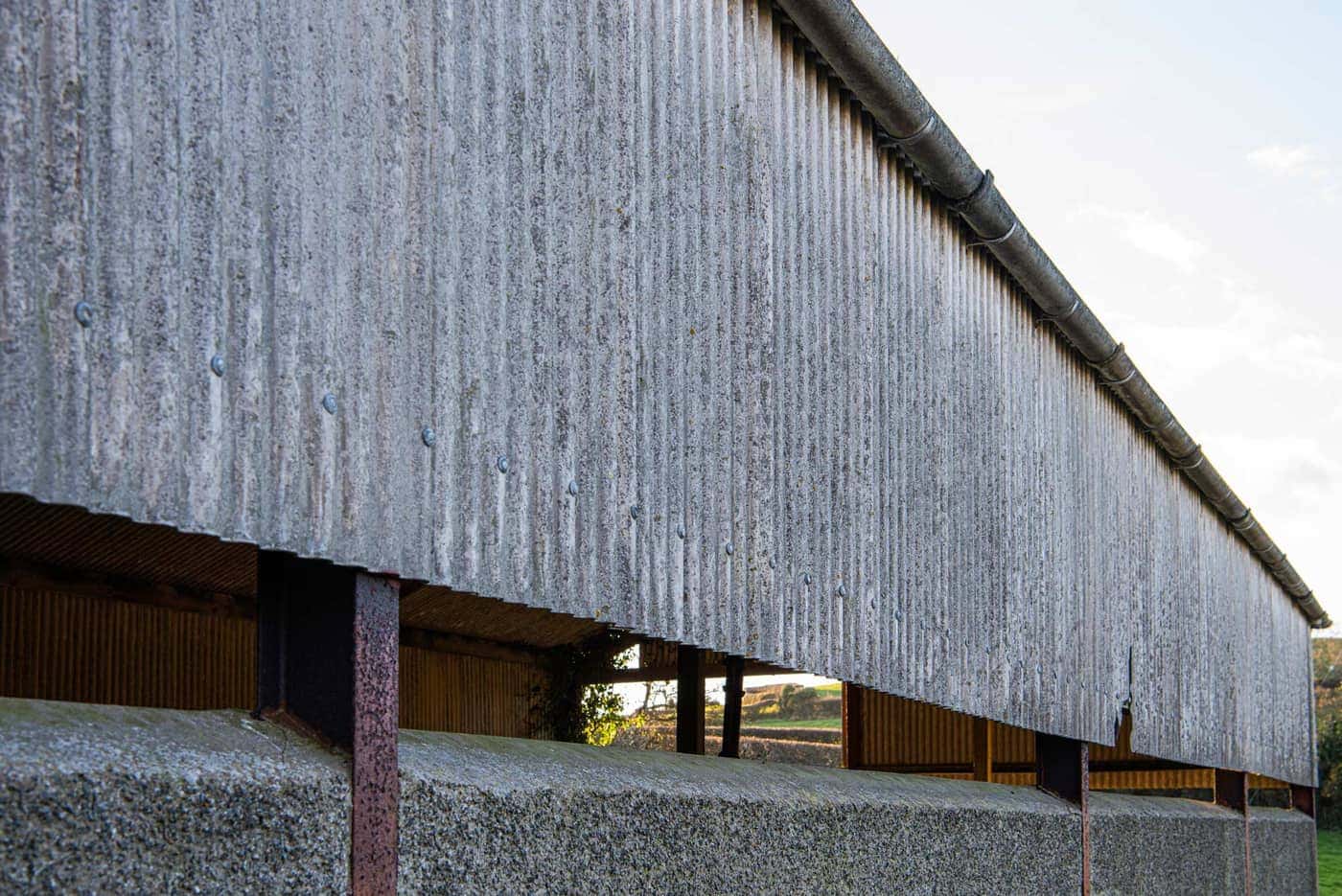
A Licensed Industry Has to Be Right Every Single Time
Unannounced audits, self-policing, and why the best contractors examine what they do well, not just what goes wrong.
 From the team
Why a Commercial Head Changes How a Removal Project Runs
I am a quantity surveyor by trade. That shapes how we price, how we present, and how honest we are about scope.
 Construction FM
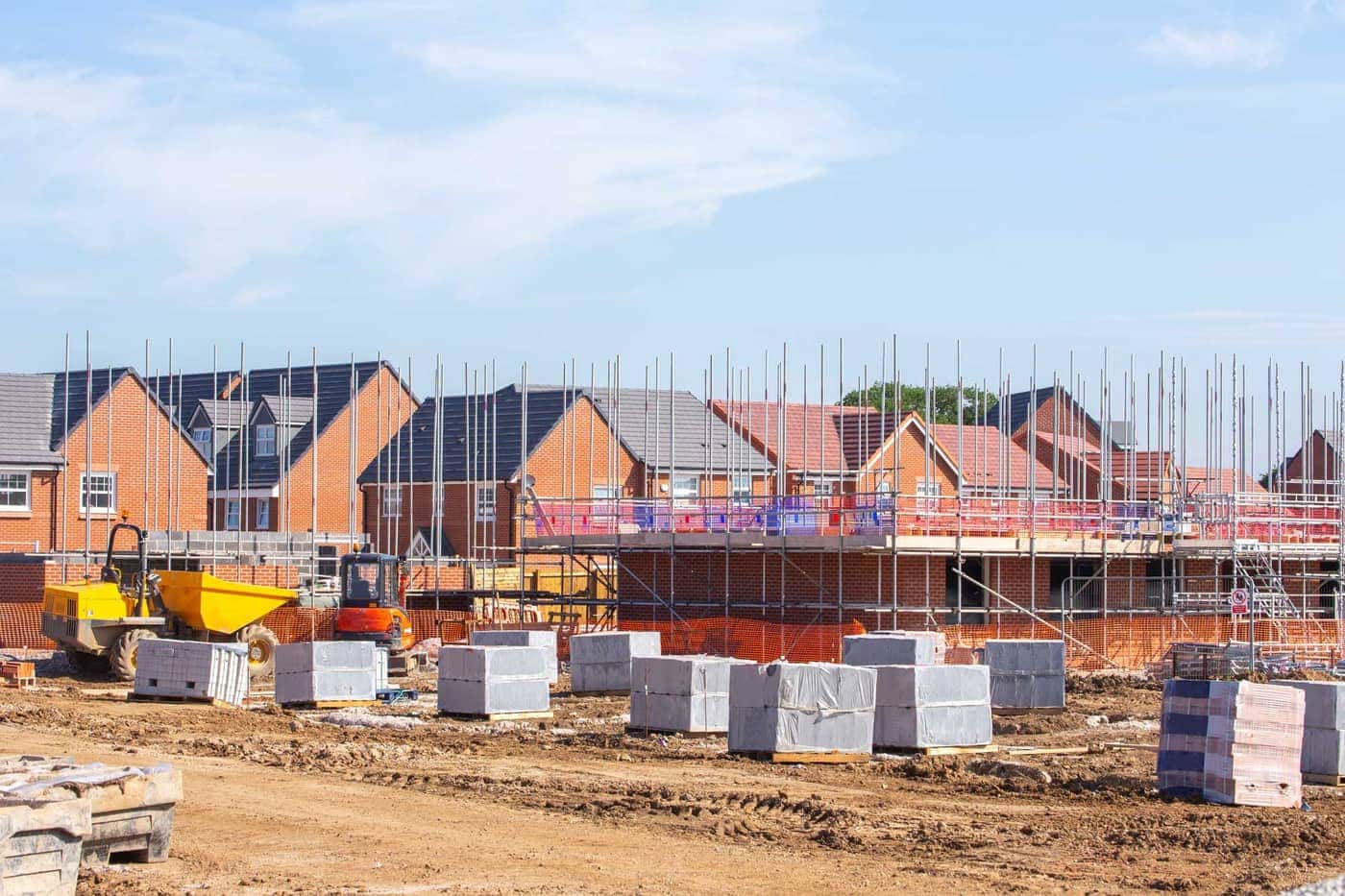
The UK Net Zero Buildings Standard Is Here. Most Buildings Aren't Close to Meeting It.
The construction industry has recently introduced a unified UK Net Zero Carbon Buildings Standard, with official certification expected from Q2 2026. It's a significant milestone, but for most of the existing UK building stock, the gap between current performance and the standard remains substantial.
 Land Remediation
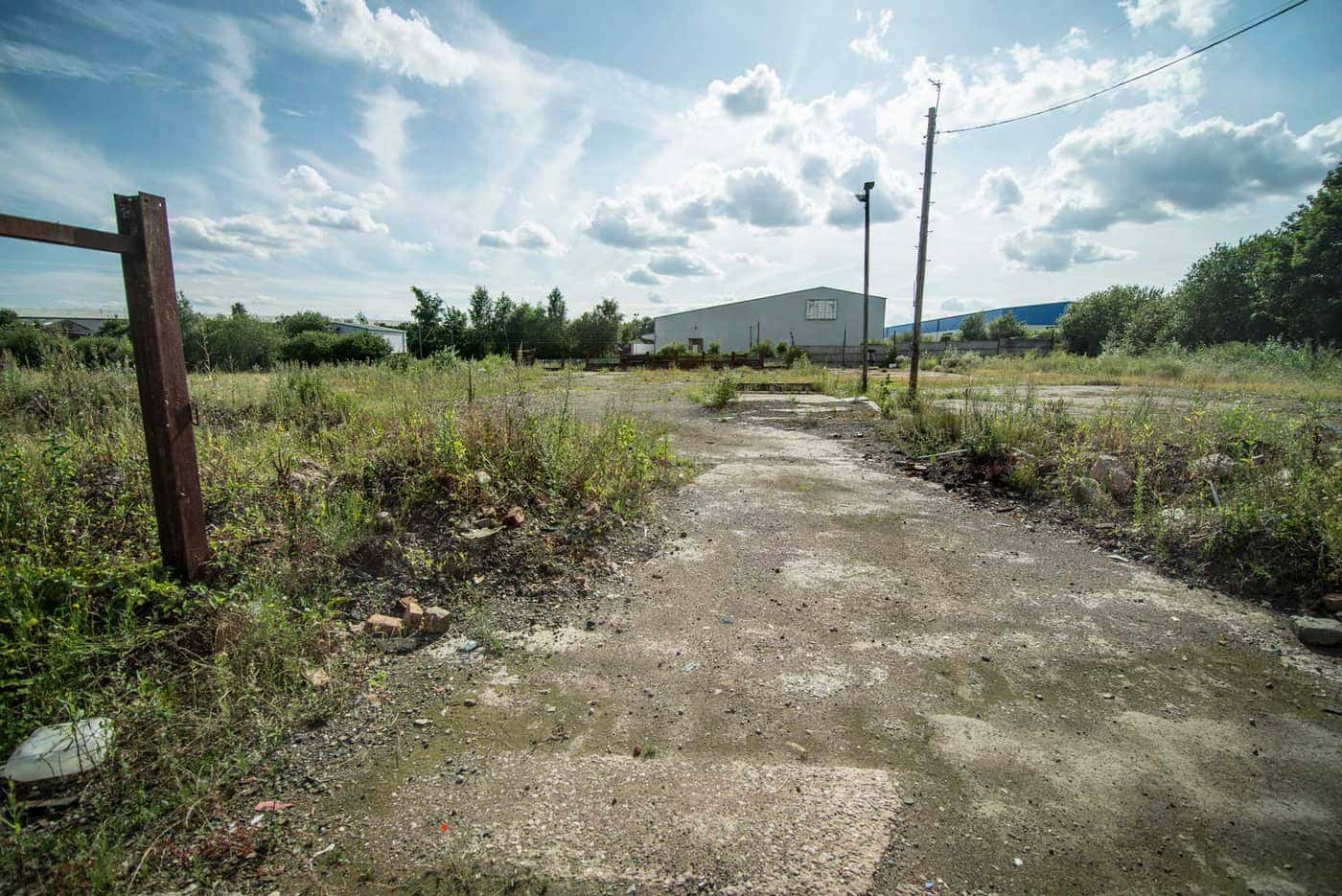
The Government Is Funding Brownfield Development. The Problem Is What's in the Ground.
Sixty million pounds of government funding is being used to unlock brownfield sites across England, with substantial amounts allocated to Greater Manchester and other urban areas. However, funding alone doesn't remediate contaminated land; actual cleanup is needed.
 Asbestos Compliance
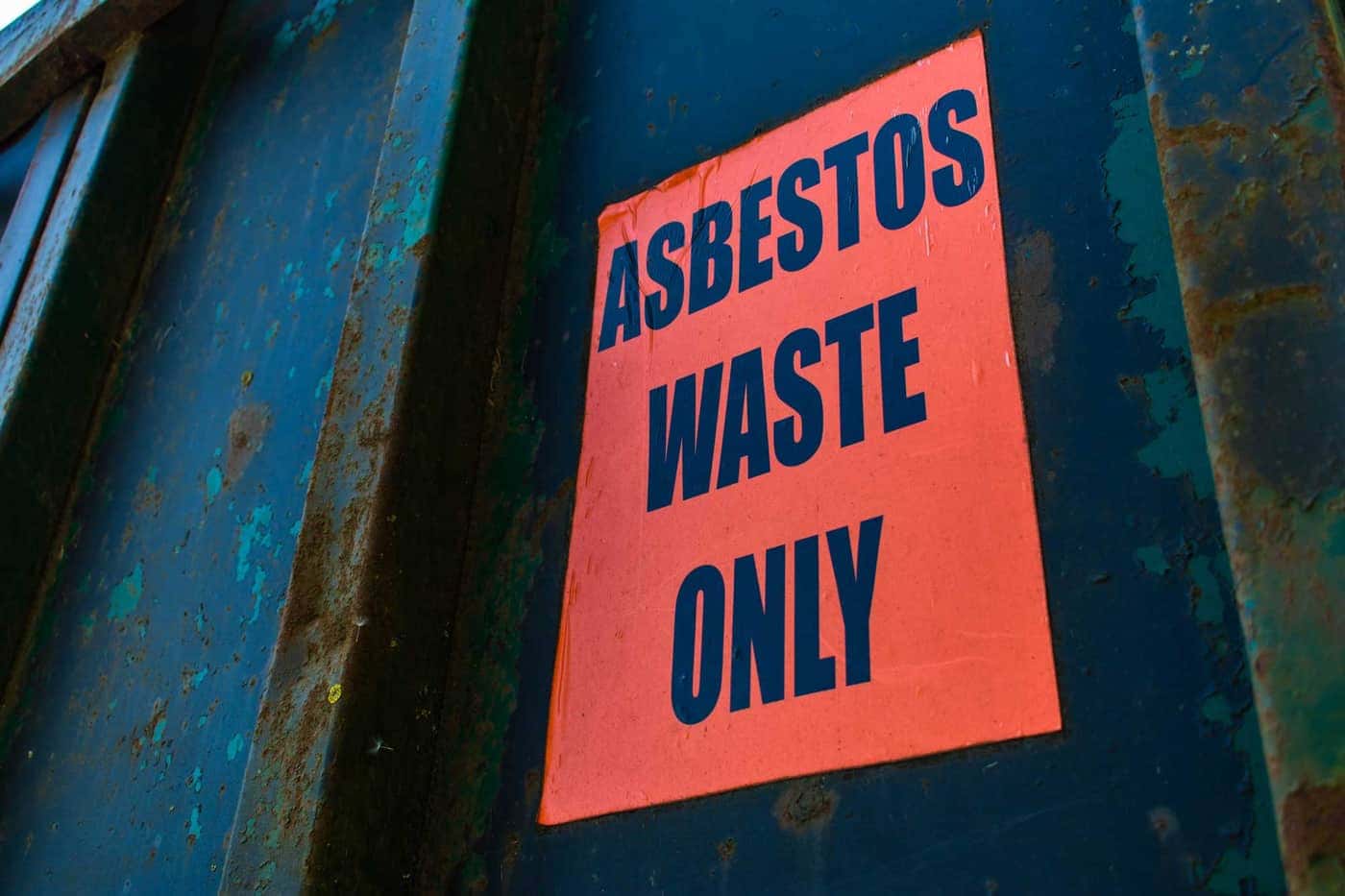
The HSE Is Watching, and the Fines Are Getting Harder to Ignore
Recent prosecutions in the Midlands show exactly what happens when asbestos management goes wrong on a live demolition site. The consequences went well beyond a fine.
 Asbestos Surveys
The HSE Is Inspecting Asbestos Management Again, and the Penalties Are Getting Personal
A round of HSE compliance inspections began in April 2026, and a recent prosecution ended with a suspended prison sentence and a director disqualification alongside the fines.
 Land Remediation
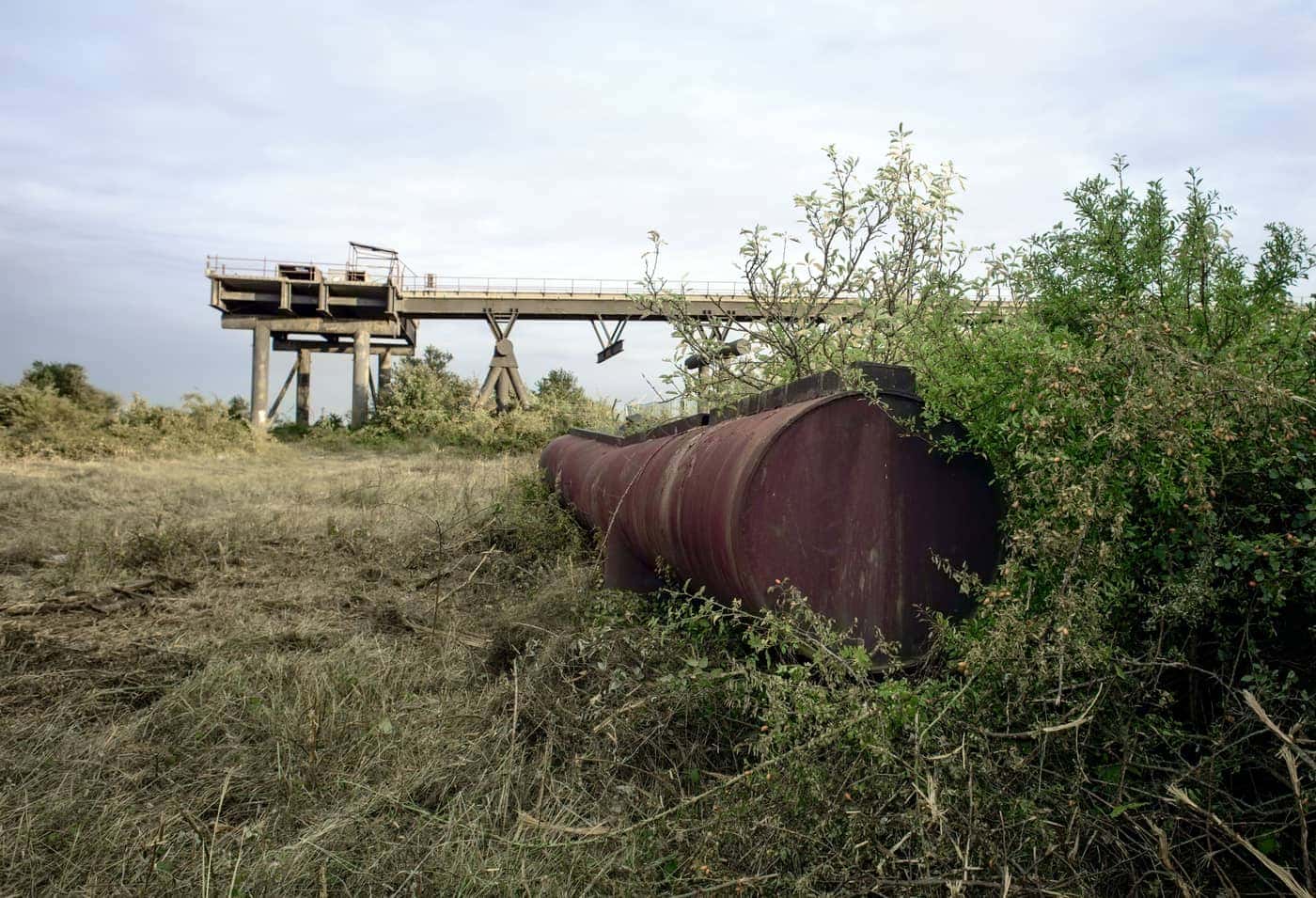
The Government Says Land Remediation Relief Is Not Doing Its Job, and the Consultation Closes in September
HMRC has concluded that the relief is not properly incentivising the clean up of derelict and brownfield land. Developers have until 21 September 2026 to respond.
 Fire Protection
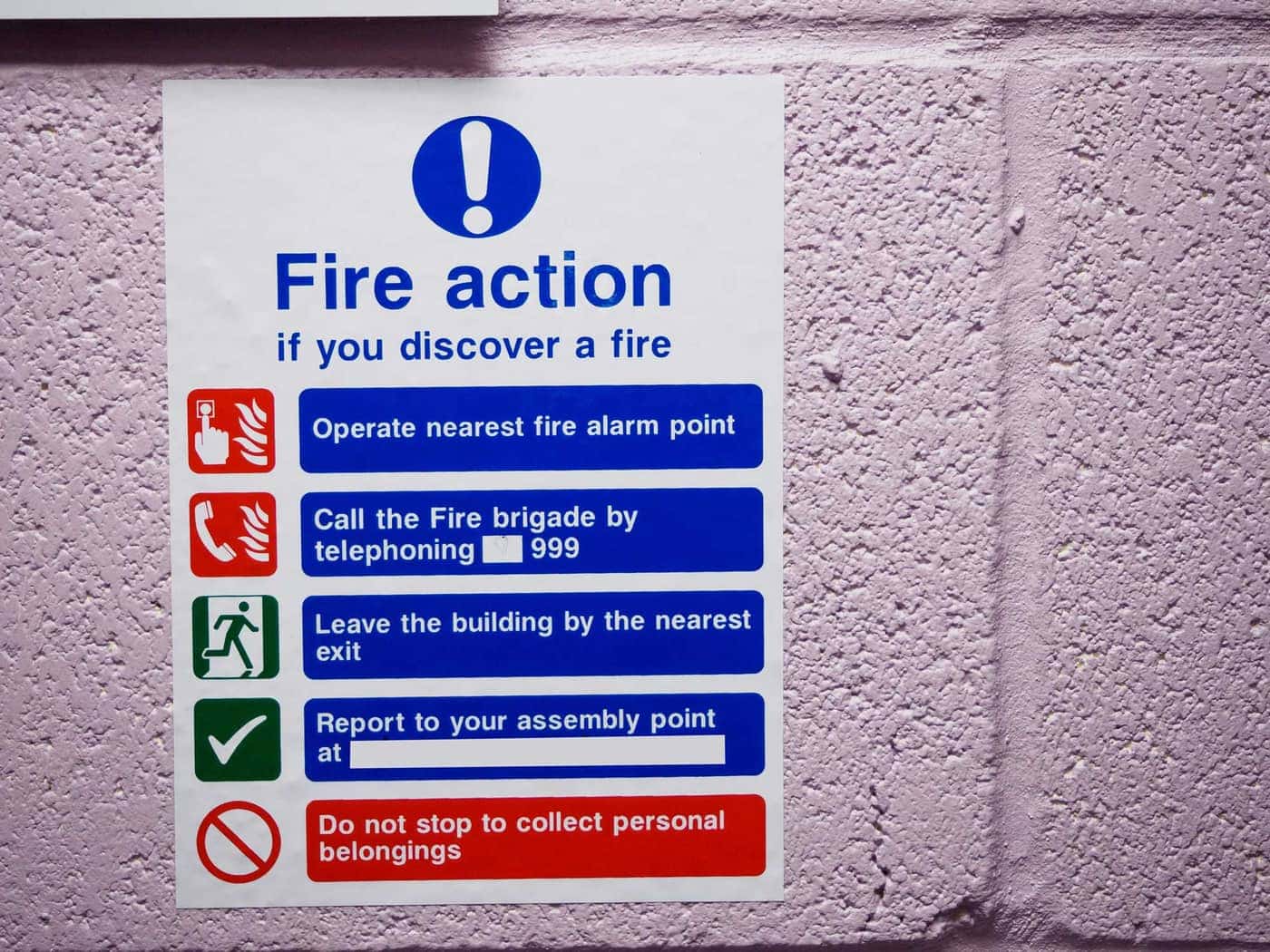
Approved Document B Changes Land on 30 September, and the Transitional Rules Matter as Much as the New Ones
From the end of September, new residential buildings over 18 metres in England must be designed with a second staircase, with provisions for evacuation lifts alongside.
 Damp and Mould
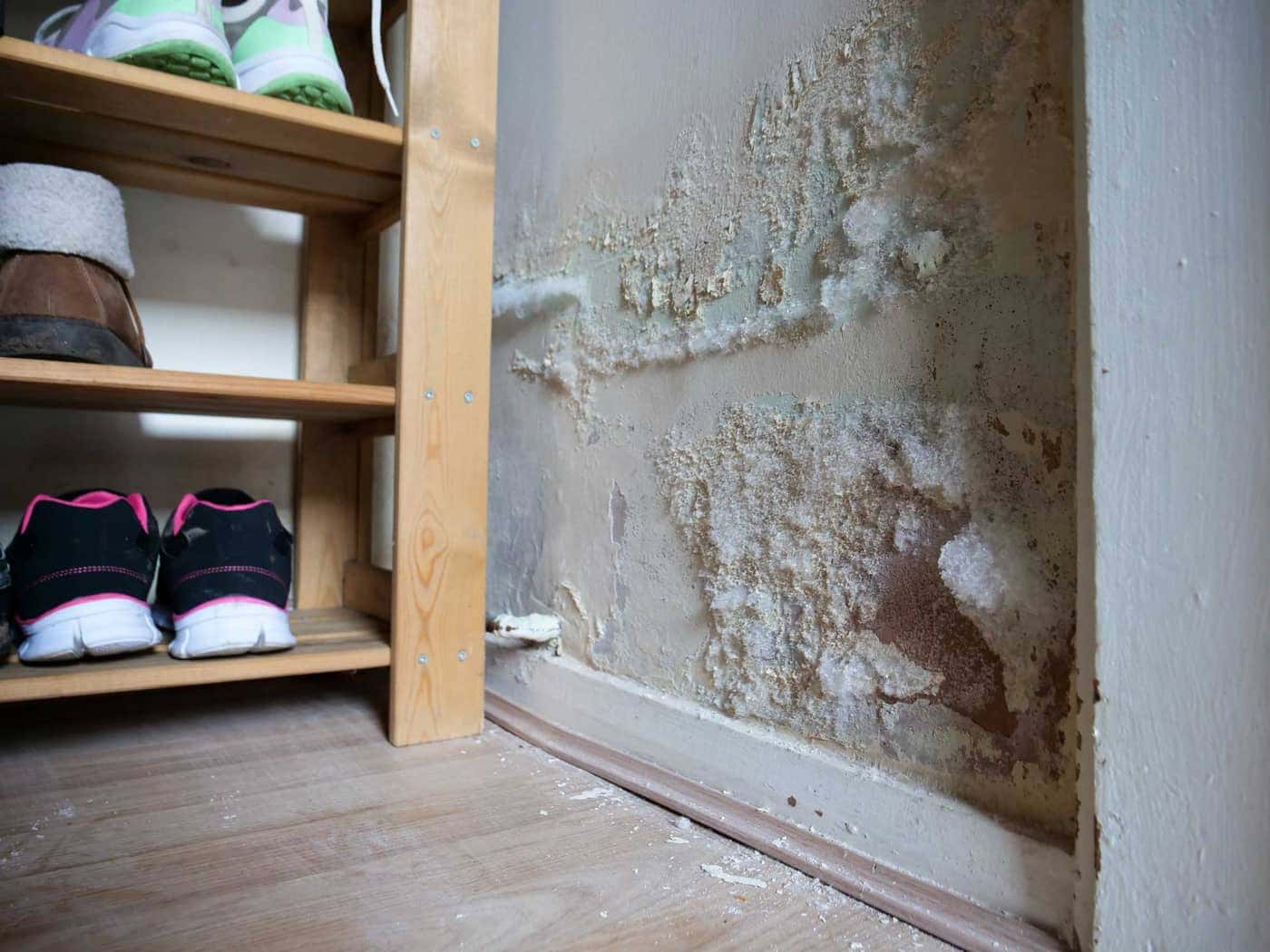
Awaab's Law Phase 2 Starts on 30 November, and It Goes Far Beyond Damp and Mould
The Government confirmed in July that seven further hazard categories come under the same statutory deadlines from the end of November, the day winter effectively begins.
 Fire Protection
London Has More Unstarted Cladding Remediation Than the Rest of England Combined
Government data to June 2026 shows 4,469 buildings of 11 metres and over with unsafe cladding being tracked, and a London backlog larger than every other region put together.
 Thermal Insulation
The Warm Homes Plan Puts Billions Into Retrofit, and Insulation Is Doing Most of the Work
A £15 billion programme aims to upgrade five million homes by 2030, with insulation measures accounting for roughly a third of everything delivered so far through the social housing fund.
 Asbestos Air Testing
In More Than Half of Cases the Removal Contractor Still Appoints the Analyst. The HSE Wants That Changed
The consultation on the Control of Asbestos Regulations closed in January, and the case for making four stage clearance genuinely independent rests on some uncomfortable data.
 Carpentry
The 2026 NHBC Standards Are In Force, and the Average New Home Still Has Over 140 Defects
The latest technical standards apply to every new home registered with NHBC where foundations began on or after 1 January 2026, with tightened detailing at some of the most common failure points.
Removing Risk. Restoring Confidence.
If a change covered here affects a building you are responsible for, we can look at it with you.
Contact Spectra today for trusted expertise in asbestos, demolition, fire protection, and environmental safety.
Prefer to speak to someone now? Call 01268 534380.