Building owners and managing agents across London and major UK cities are commissioning fire stopping audits in greater numbers than ever. Most are finding problems. Here's what's driving the demand, and what a proper audit actually involves.
The number of fire stopping audits commissioned across the UK has increased noticeably since Grenfell. This is partly due to regulatory pressure, as the Building Safety Act has broadened responsibilities, responsible persons now require documented proof of their fire safety status instead of just a reasonable belief that everything is safe. Additionally, practical considerations play a role: when insurers, lenders, and asset managers request fire safety certification, verbal assurances are no longer adequate.
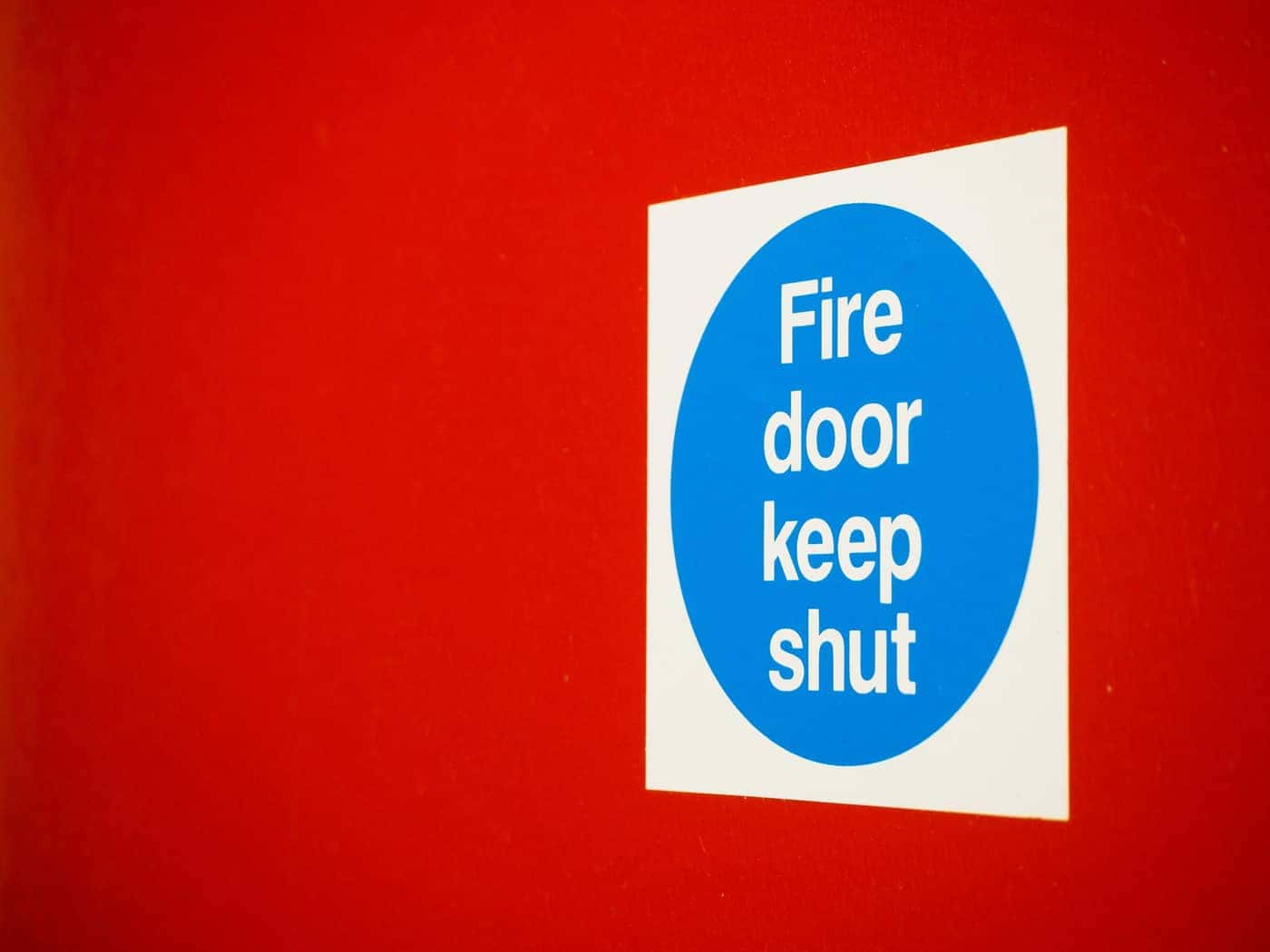
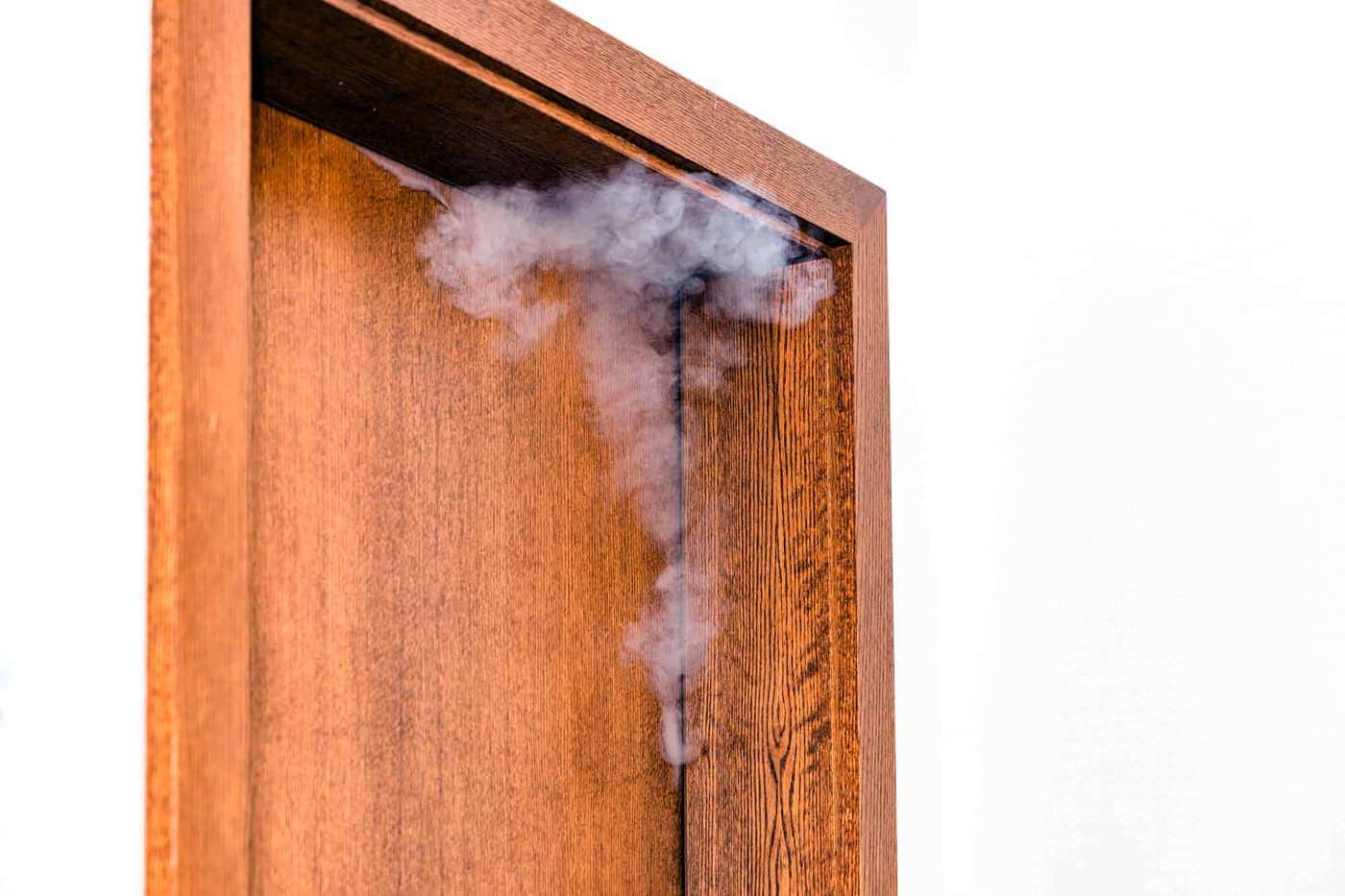
Most audits, especially in refurbished buildings or those with M&E work, reveal a pattern of accumulated breaches. Cables and pipes often pass through fire-rated walls and floors without proper sealing. Intumescent products may be damaged or missing. Fire doors that were initially compliant may be modified, wedged open, or no longer meet their rated standards. These failures typically develop gradually and unnoticed, only becoming apparent during a compartmentation survey.
The compliance landscape differs notably across building types. Commercial offices and retail spaces frequently encounter issues with penetrations from standard tenant fit-outs. Residential buildings often see problems in communal areas and at flat entrance doors. For healthcare and education facilities, the high volume and complexity of service runs make compliance especially challenging. A common factor is that the risk remains hidden and must be actively identified.
Spectra is IFC-accredited for fire protection services and conducts fire stopping audits, compartmentation surveys, and remediation projects in commercial and residential buildings across the UK. When breaches are detected, we develop a clear, prioritised remediation plan and execute the necessary works to ensure the building's fire safety compliance. For building owners managing safety cases or responding to insurer requirements, maintaining thorough documentation is just as crucial as the physical repairs.