Research published in 2026 has highlighted the extent to which contaminated industrial sites across England remain inadequately documented. For developers working on brownfield land, the practical consequences of that gap are well understood.
A study published in April 2026 quantifies a long-recognised issue in land remediation: approximately 300,000 sites across the UK are potentially contaminated by historical industrial activities, yet the regulatory framework governing their status and required actions remains disjointed. The research highlighted a lack of comprehensive, publicly available data on contamination types and extent across many sites. It also pointed out that the existing system heavily relies on developers to assess and manage risks, often encountering these risks for the first time.
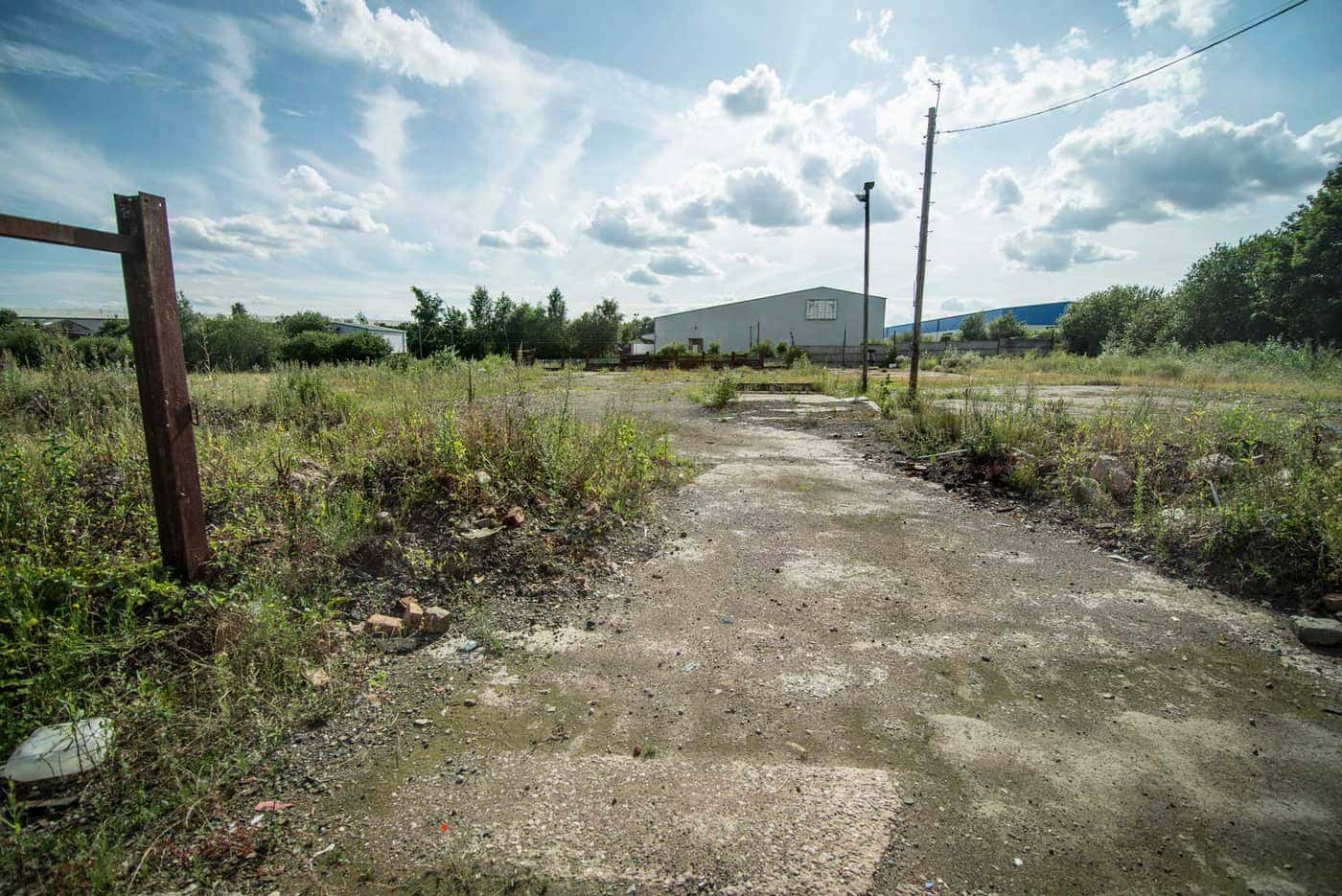
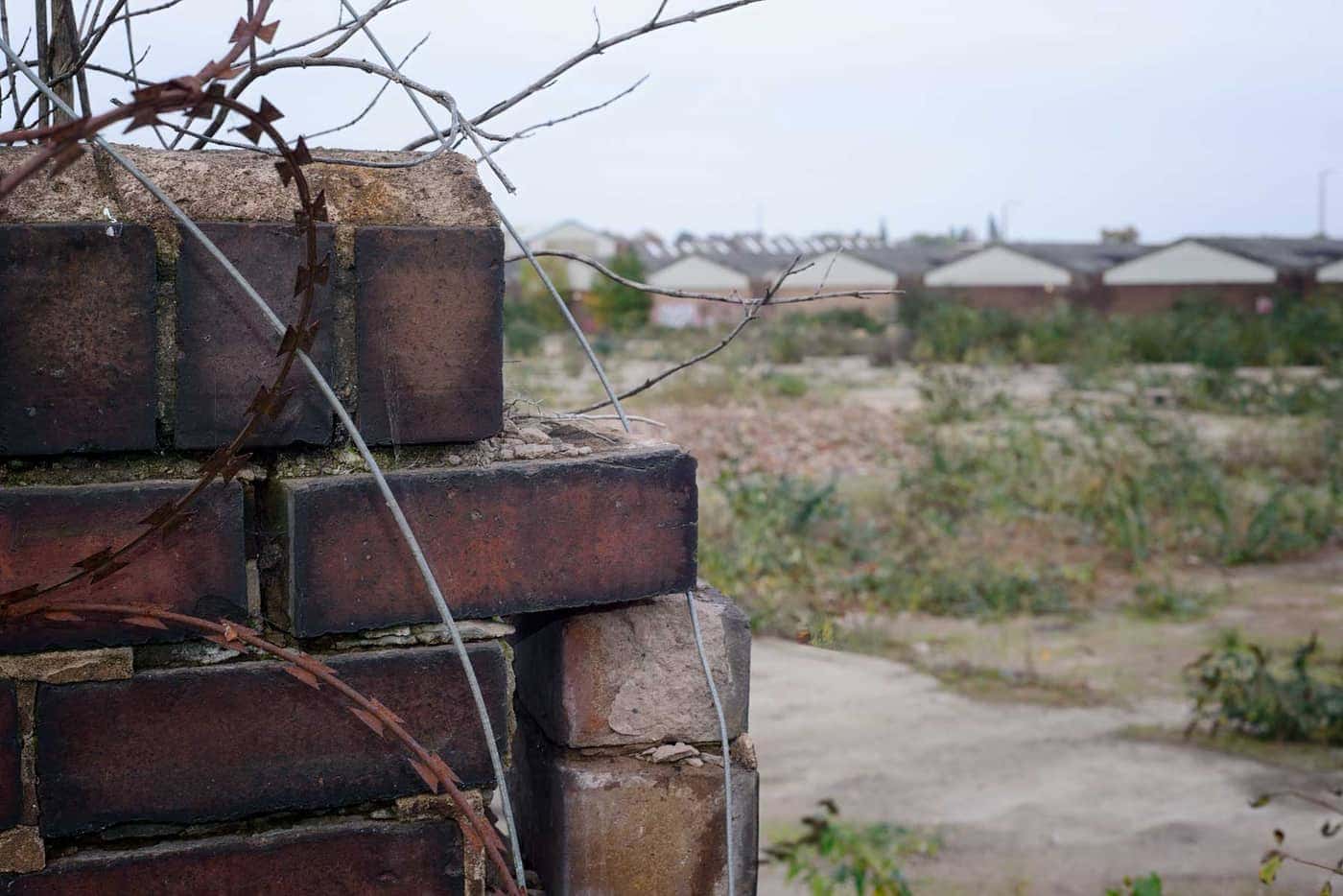
The legacy of contamination stems directly from the UK's industrial past. Former gas works, tanneries, chemical plants, metalworking sites, railway lands, and dockyards all leave unique soil signatures. The specific pollutants differ, from hydrocarbons and heavy metals to phenols and asbestos in fill, but the common issue is the same: records from the period of active use are often incomplete, inconsistent, or missing entirely. A site that appears uncontaminated during a desk study may reveal very different results once a detailed investigation begins.
Land remediation on these sites must start with investigations appropriate to the level of uncertainty. When historical records are limited, the scope of investigation should match that limitation. At a minimum, this includes representative sampling, targeted analysis for site-specific contaminants, and a risk assessment that considers the intended end use to develop a credible remediation plan. Rushing the investigation to cut upfront costs is a false economy; issues overlooked often emerge during enabling works, at a much higher cost to address.
The regulatory landscape introduces additional complexity. Contaminated land in England falls under Part IIA of the Environmental Protection Act, but enforcement is inconsistent, and the criteria for officially designating land as contaminated are intentionally strict. As a result, much remediation on brownfield sites depends on planning conditions rather than regulatory action, and there's significant variability in both the quality of these conditions and the oversight of their implementation. The research highlights that inadequate regulation has real-world implications: developers cannot rely on the system to pinpoint issues before purchasing or beginning development of a site.
We go to sites all the time where the desk study said it was fine, and it absolutely wasn't. 300,000 sites with no proper records. That doesn't surprise me at all. The developers who end up in trouble are the ones who cut corners on the ground investigation to save a few quid at the front end. You find it early, you deal with it, and you move on. You find it halfway through groundworks, and you've got a real problem on your hands. It's not complicated.