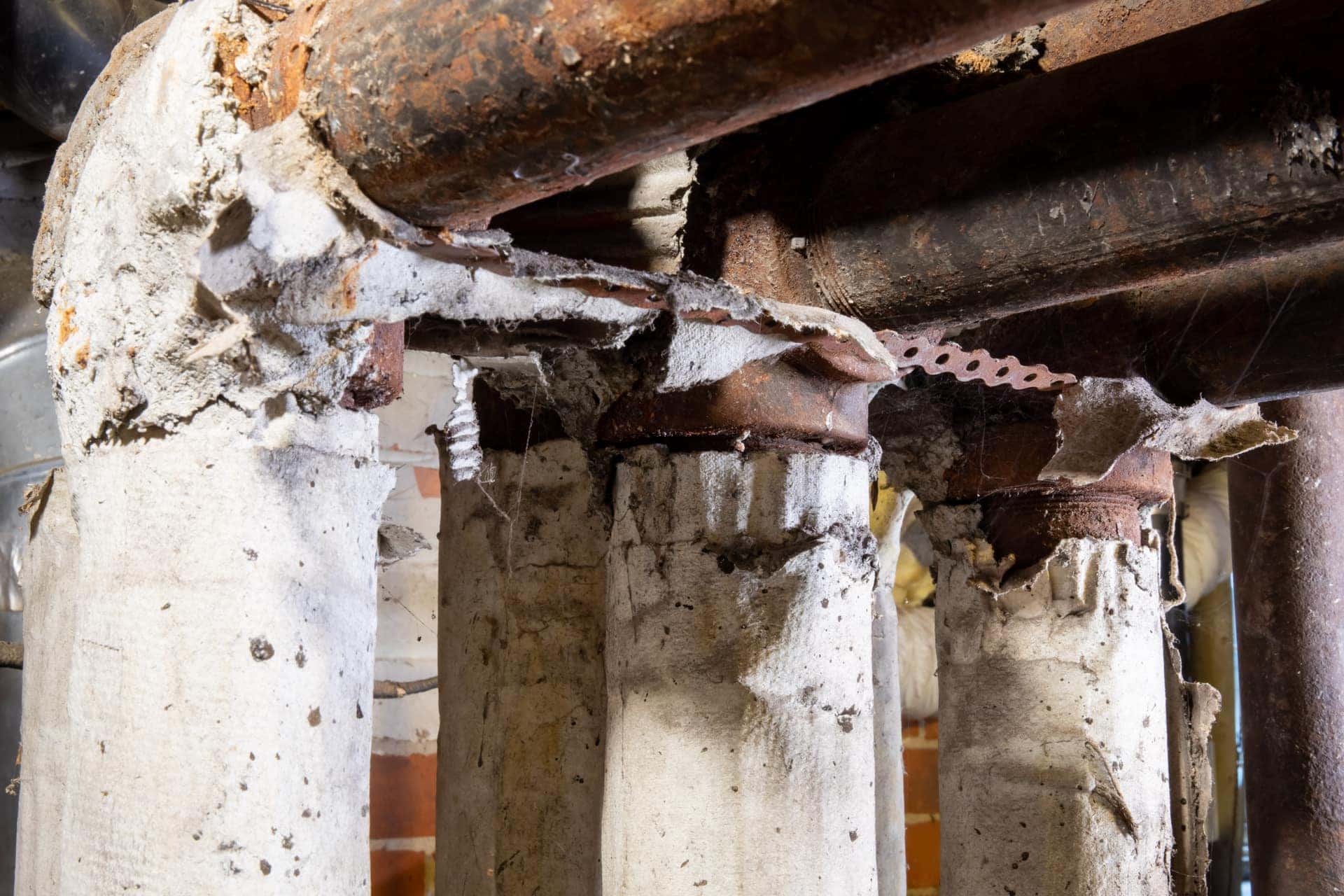
From 31 October, dependants receive the same lump sum the person who died would have received. Around 300 families a year will benefit. The reform corrects the past. Regulation 4 is about what happens next.
On 31 October the government ended a long standing unfairness in the asbestos compensation schemes. Until that date, if someone died of an asbestos related disease before they had made a claim, their family received substantially less than the person themselves would have been paid.
The gap was not small. In 2025, sufferers received average payments of around £17,700 through the government schemes. Where the person died before claiming, their dependants received an average of around £10,700, roughly £7,000 less.
On individual awards the difference was starker still. Under the 2008 Diffuse Mesothelioma Scheme, a 60 year old claimant would receive £56,656. If they died before making that claim, an eligible dependant received £24,526. From 31 October, the dependant receives the full £56,656. The same principle now applies to the Pneumoconiosis etc. (Workers' Compensation) Act 1979 scheme, where a 60 year old with a 31 to 40 per cent disablement assessment would receive £34,062 and a dependant previously received £21,011.
Around 300 families a year are expected to benefit, at an estimated cost of between £2 million and £6 million annually. The change follows decades of campaigning, including by the Asbestos Victims Support Group Forum UK. It applies to new dependant claims made from 31 October 2026 and is not retrospective.
Why this is in the news at all
It is worth sitting with what the schemes exist to do.
They pay out where someone contracted a dust related disease through their work and cannot claim damages from an employer, usually because that employer no longer exists. The company that exposed them has gone. There is nobody left to sue. The state scheme is what remains.
The people receiving these payments were exposed decades ago, in buildings and industries that in many cases no longer exist either. Mesothelioma has a latency period measured in decades, which is why the UK is still recording deaths today from exposures in the 1960s, 1970s and 1980s.
That latency is the uncomfortable part of this story for anyone responsible for a building. The compensation reform deals with the consequences of exposures that happened a long time ago. It does nothing about exposures happening now, and the effects of those will not be visible for another thirty or forty years.
Asbestos-related diseases continue to cause great suffering, and the effects of past exposure are still being felt by workers and their families. This change means bereaved families will receive the support their loved ones would have been entitled to.
HSE's priority remains preventing future harm. We will keep working with employers, workers and partners to make sure the risks from asbestos are understood and managed, so that fewer families have to go through this loss.
The part a duty holder can act on
The HSE's framing in that statement is the right one. Compensation is what happens when prevention has already failed, forty years earlier.
Prevention is Regulation 4 of the Control of Asbestos Regulations 2012, the duty to manage asbestos in non-domestic premises. In practice that means four things, none of them complicated.
Know what is in the building, through a survey that actually covered the areas people will work in. Keep the register current, because a management survey is a snapshot and stops being accurate the moment the building changes. Make sure the people who need the register can find it, particularly contractors arriving to do minor works. And commission the right survey for the work being done, because a management survey does not tell anyone what is behind the wall they are about to open up.
The people most at risk today are not the ones in enclosures wearing full face masks on licensed removal projects. That work is tightly controlled. The risk sits with maintenance staff, electricians, joiners and general contractors doing small jobs in buildings where nobody checked first, or where the register was out of date, or where it existed but nobody was shown it.
Nothing here is new
That is rather the point. Regulation 4 has been in place since 2012 and the duty before it goes back further. The compensation reform that took effect on 31 October is a welcome correction to a genuine injustice, and the families it helps have waited a long time for it.
But it is a payment made after a death. The only part of this anyone responsible for a building can influence is the part that happens first.
Spectra holds UKAS accreditation for asbestos inspection under schedule 4407, and for testing under schedule 2621 through Spectra Analysis Services Ltd. We keep air testing and analysis independent of removal. More on asbestos surveys and asbestos management.