A £15 billion programme aims to upgrade five million homes by 2030, with insulation measures accounting for roughly a third of everything delivered so far through the social housing fund.
The Warm Homes Plan represents one of the largest retrofit commitments the UK has made, with around £15 billion committed to upgrading five million homes and lifting a million families out of fuel poverty by 2030. For social housing specifically, the Warm Homes Social Housing Fund had an initial £1.29 billion allocated for 2025 to 2028, with further funding confirmed for 2026 and 2027, and the National Wealth Fund guaranteeing up to £1.65 billion of lending for social housing upgrades.
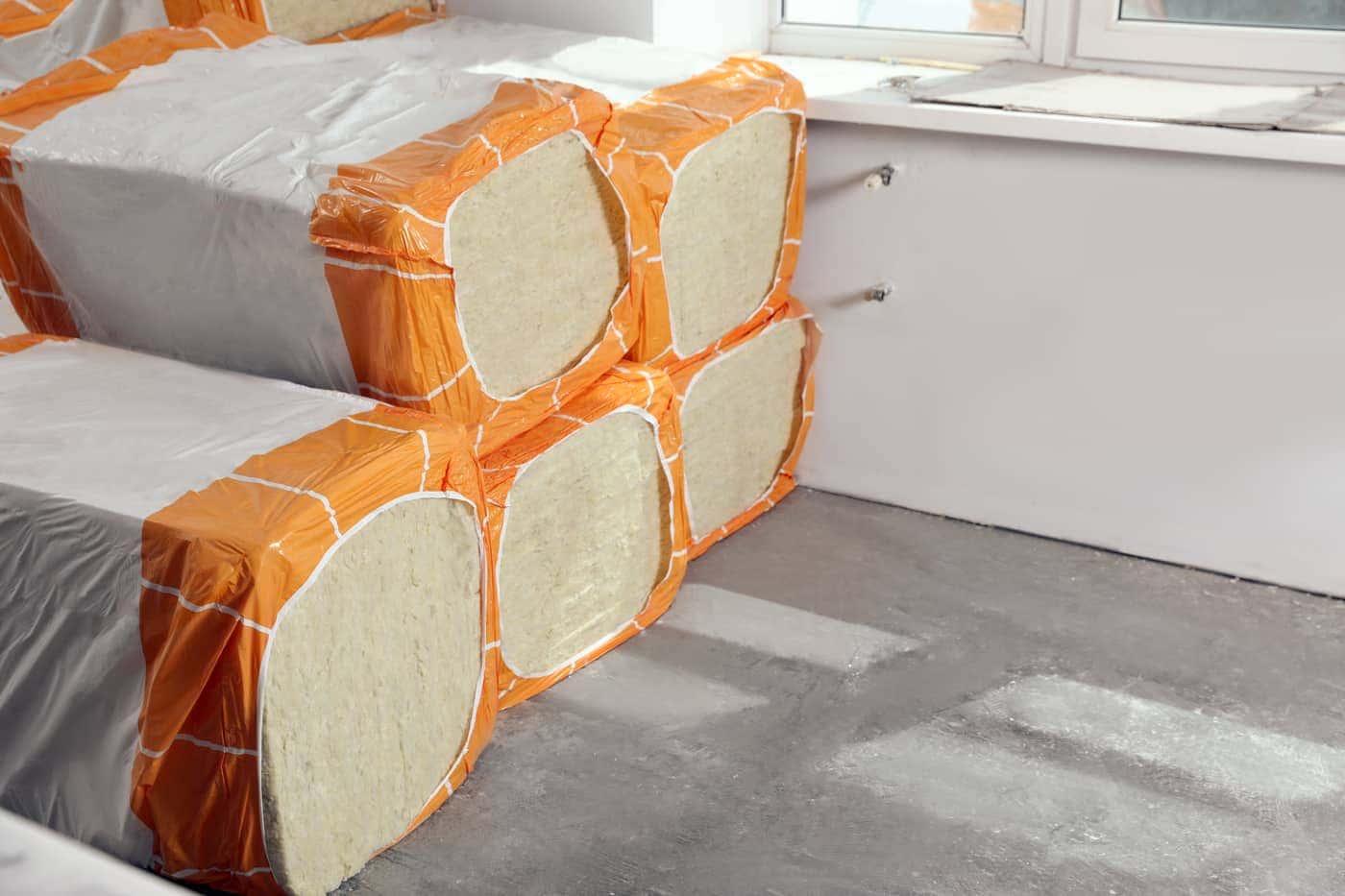
What is actually being installed is instructive. In the most recent figures, insulation measures accounted for around 36 per cent of everything delivered through the social housing fund, well ahead of low carbon heating at around 13 per cent. The fabric first principle is holding in practice as well as in policy, which is unsurprising: there is little sense installing a heat pump into a building that cannot hold its heat.
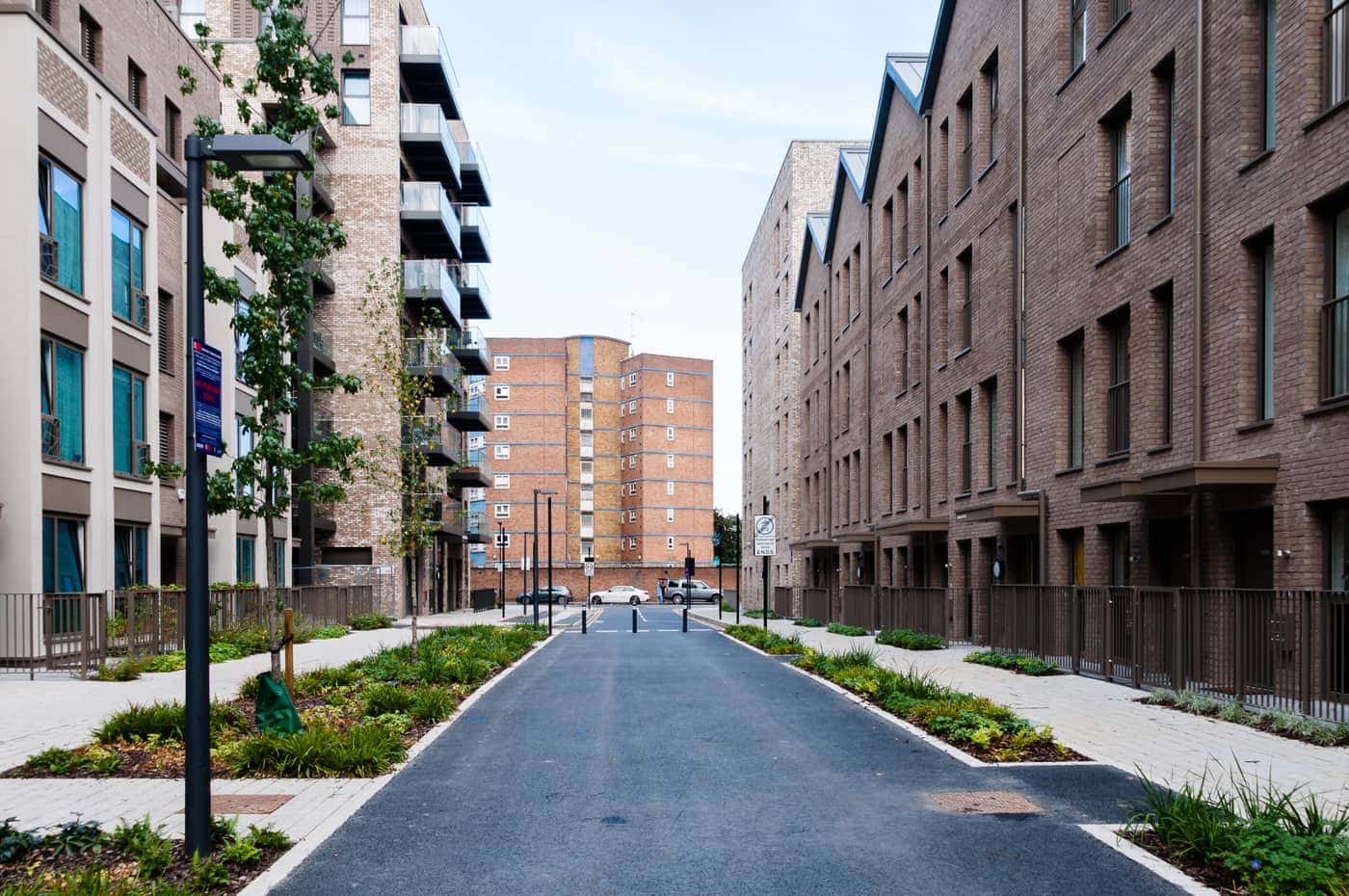
The scale creates its own delivery problem. Programmes of this size across a housing portfolio are rarely a single project. They are a rolling series of properties, each with its own access constraints, resident considerations and building fabric, and they run alongside the day to day repairs obligations providers already carry. The properties in scope, those rated EPC D to G, are weighted towards older stock, which across London, Essex, Kent and the South East means solid wall construction, post war system build and street after street of homes that were never designed to hold heat.
They also intersect with other duties. Excess cold comes within Awaab's Law from 30 November 2026, which puts thermal performance on a statutory footing as well as a funding one. Getting thermal insulation right, sequenced properly and recorded properly, is now part of a compliance picture rather than just an energy one.
A retrofit programme across a housing portfolio is a relationship, not a contract. You are dealing with hundreds of properties, changing requirements week to week, and residents living in every one of them. The effort that decides how the next three years go belongs in the first six to twelve months, when you sort out the process and the reporting. Get that right and it runs. Get it wrong and you spend the whole programme firefighting.