
The Derelict Buildings Fund gives 60 English local authorities between £1 million and £3 million each. The buildings it targets are the ones most likely to contain asbestos, lead paint and a decade of bird fouling.
Alongside the Budget on 28 October, the government published interim guidance for a new Derelict Buildings Fund, providing £125 million to 60 English local authorities to bring prominent long term vacant or derelict buildings back into productive use. Allocations run from £1 million to £3 million and combine capital and revenue funding. The fund runs from 2026 to 2030, and it is the largest share of a £210 million Community Assets Programme.
The guidance is explicit about what it is aimed at: shops, offices, former places of worship, department stores and other heritage buildings, pubs, theatres and cinemas. Prominent buildings on high streets and in town centres whose condition, in the government's words, has made them "lasting symbols of decline".
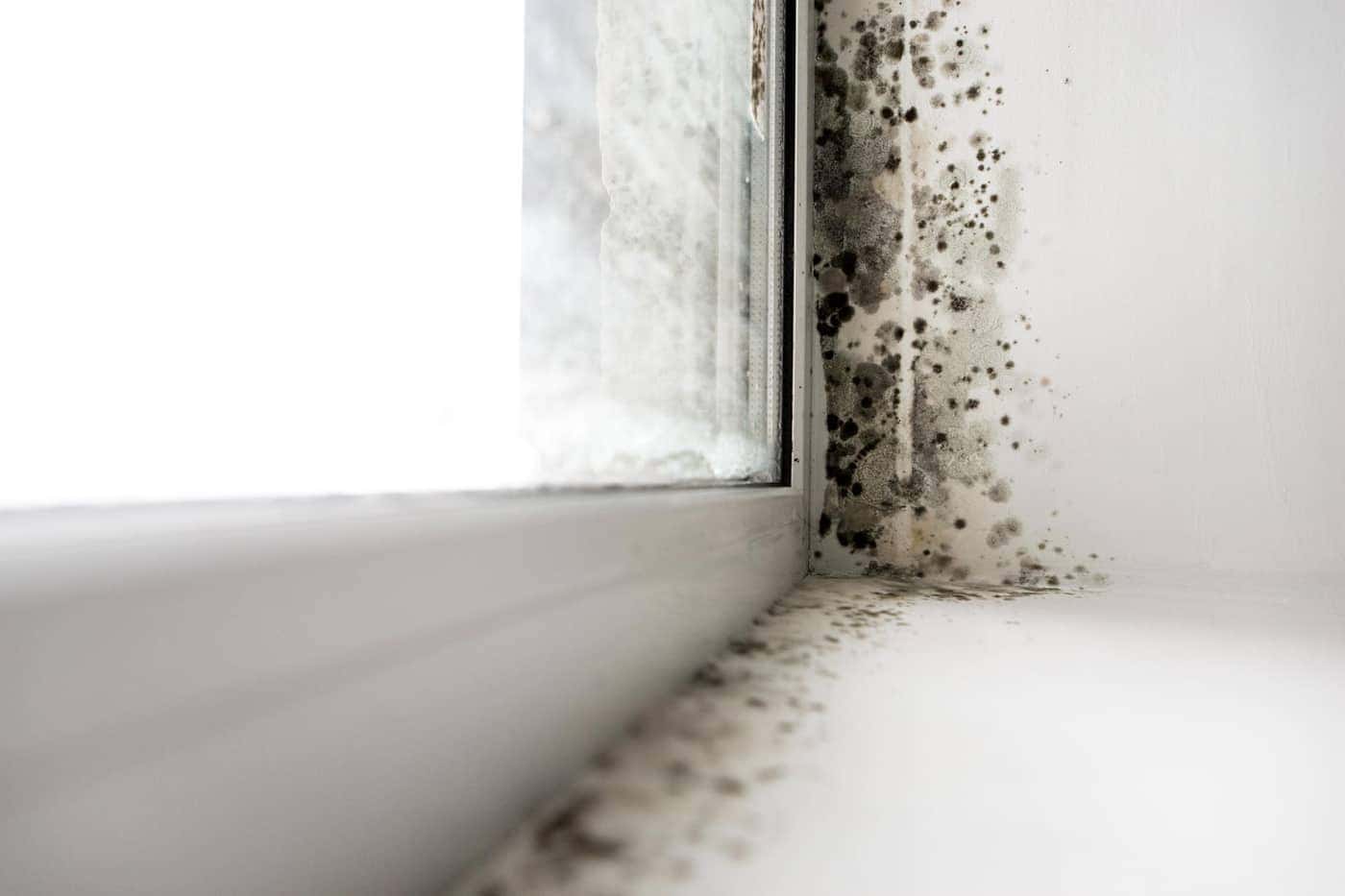
Anyone who has worked on that kind of building knows what else that list describes. Pre-2000 construction, frequently pre-1970. Years of vacancy with roofs and windows that have not been maintained. And a near certainty of at least one hazardous material.
What is actually inside a long term derelict building
Three things turn up again and again, and all three have to be dealt with before any meaningful construction work starts.
Asbestos. A building put up or refurbished before 2000 can contain it almost anywhere: sprayed coatings, insulating board, pipe lagging, textured finishes, floor tiles, cement roofing. A former department store or cinema is a particularly rich seam, because both were fitted out and refitted repeatedly through exactly the decades when asbestos was in widest use. The duty to manage under Regulation 4 of CAR 2012 does not lapse because a building is empty.
Lead paint. Common in buildings decorated before the late 1980s, and a controlled hazard the moment anyone starts sanding, stripping or hot working on it.
Bird fouling. This is the one most commonly underestimated. A building that has been open to the elements for years will have pigeons in it, and accumulated guano is a biological hazard rather than a cleaning job. Disturbing it dry aerosolises spores, with a recognised risk of psittacosis and histoplasmosis. It needs removing under controlled conditions, by people equipped for it, before anyone else goes in.
None of this is unusual. All of it is predictable. The problem is that it tends to be discovered after a scheme has been costed rather than before.
The timing is the point
The guidance sets out what local authorities should be doing between now and the end of the year. They should begin community engagement, and they should start longlisting buildings, "identifying any feasibility, technical and professional support needed to develop viable proposals".
That is the survey phase, and it is happening in the next two months. First progress updates go to MHCLG by April 2027, with the delivery phase commencing in spring 2027.
Which means the window where a refurbishment and demolition survey is cheap and useful is open right now, before buildings are chosen and before budgets are fixed against them. A survey commissioned at longlisting stage tells a council which of its candidate buildings carries a six figure hazardous materials problem and which does not. The same survey commissioned after selection tells it the same thing, too late to change the answer.
Why it matters more on a £2 million allocation
The allocations are modest relative to the work. Barking and Dagenham receives £2.25 million, Hackney and Haringey £2.51 million each, Enfield £3 million, and the majority of the sixty sit between £1 million and £3 million.
On an allocation of that size, an unplanned asbestos removal does not dent the scheme. It can take it out. A council that has committed publicly to a named building, with community engagement already done, is in a very poor position to discover halfway through that the budget no longer works.
The fund also allows authorities to support projects that have already stalled, including where funding is needed to close a viability gap. In practice, a good number of stalled high street schemes stalled for exactly this reason.
The practical sequence
For any authority working through a longlist, the order is straightforward.
Commission a refurbishment and demolition survey on the candidate buildings, not just the chosen one. Price the hazardous materials position before the building is selected. Deal with bird fouling and any licensed asbestos work as enabling works at the front of the programme, not as a variation in the middle of it. And keep the clearance and air testing independent of whoever carries out the removal, so the certificate at the end means something.
None of that is expensive at longlisting stage. All of it is expensive later.
Spectra works with local authorities and developers across London, Essex, Kent and the wider UK on asbestos surveys, licensed removal, soft strip demolition and enabling works. If you are building a longlist, the useful conversation happens before the list is cut, not after.