In cities such as London, Bristol, and Brighton, sustainability standards are transforming the way buildings are cleared out prior to redevelopment. Effective soft strip demolition salvages materials that would otherwise be sent to landfill, and this practice is more important than the industry has historically recognised.
The traditional approach to preparing a building for redevelopment has been straightforward: clear out all contents, disconnect utilities, and dispose of anything unsellable. Yet, in cities such as London, Bristol, and Brighton, where sustainability considerations are increasingly influencing planning, procurement, and development costs, this method is becoming harder to justify from both economic and environmental perspectives.
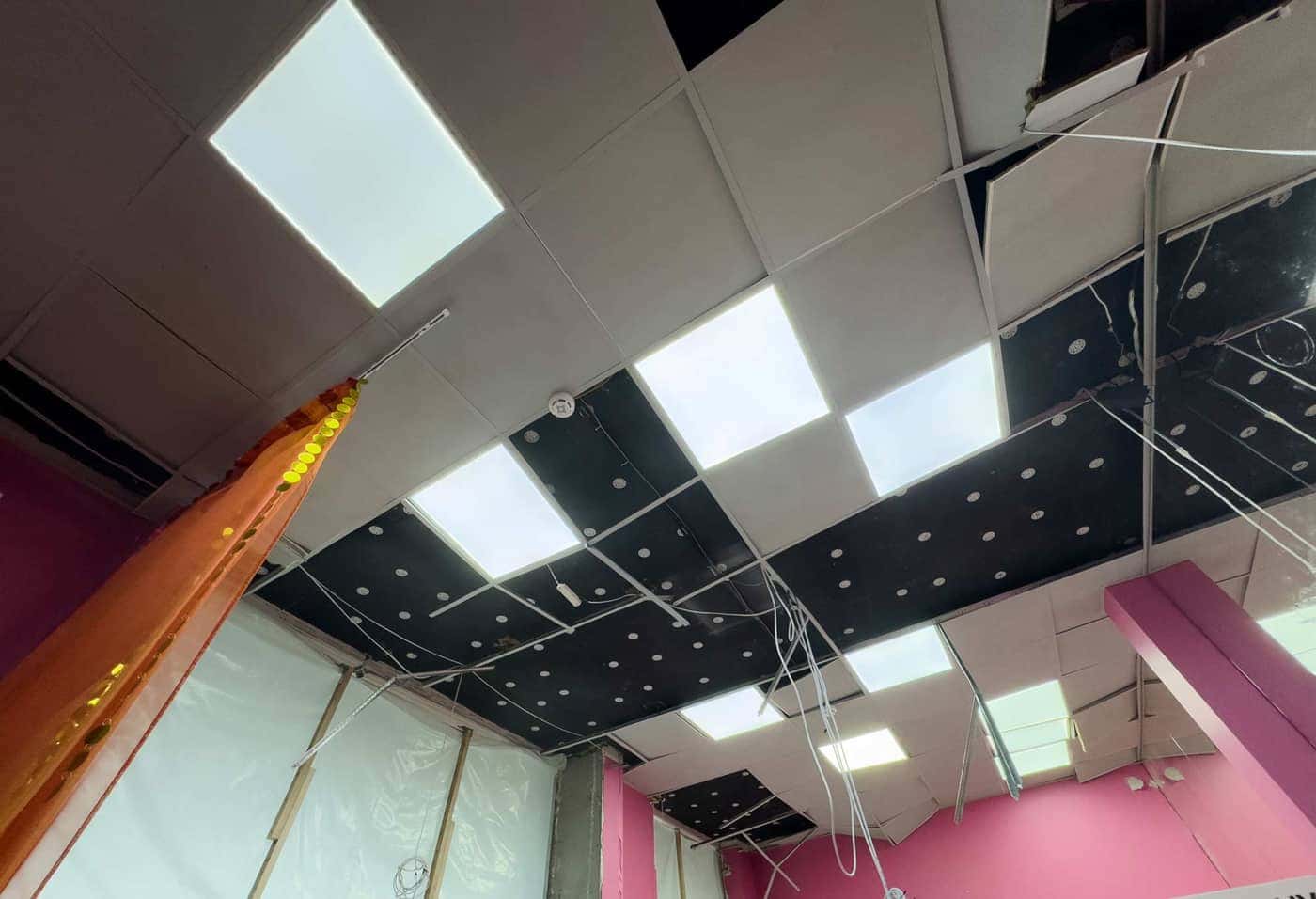
Properly executed soft strip demolition involves a systematic process to identify materials that can be reclaimed, recovered, or recycled before demolition starts. Items such as structural steel, timber, copper pipes, glazing, and flooring hold value if removed carefully rather than destroyed. The sequence of operations is vital: materials damaged during clearance cannot be reclaimed. Hence, recovery planning should be incorporated into the schedule prior to beginning work.
Waste segregation is equally important. Construction and demolition waste make up a large portion of the UK's total waste. On soft strip projects, a well-managed segregation programme can greatly reduce landfill use and disposal costs compared to simply filling skips with mixed waste. For clients with waste reduction goals, sustainability reporting needs, or demolition planning conditions, it is essential to document and demonstrate what occurs during the soft strip phase.
There is also an important compliance aspect to consider. Any soft strip involving asbestos-containing materials, common in buildings built before 2000, must be carefully scheduled so that hazardous material removal is completed under appropriate controls before the general stripping begins in those areas. Performing both tasks simultaneously without proper segregation not only breaches legal requirements but also poses safety risks.
Spectra's soft strip demolition service covers asset recovery, waste segregation and environmental compliance across London, Bristol and Brighton, as well as projects nationwide. For developers and principal contractors operating in sustainability-conscious markets, or those with planning obligations regarding demolition waste, the soft strip phase is where those commitments are either met or not met.