The Building Safety Regulator's latest figures show external remediation approvals at 87%, against 32% in November 2025. For anyone holding a scheme that stuck at Gateway 2, the constraint is shifting from permission to delivery.
For two years the standard complaint about building safety remediation has been that nothing could get through Gateway 2. Schemes were designed, costed and submitted, then sat. The Building Safety Regulator's own figures show how fair that complaint was, and how much has changed since.
In November 2025, the approval rate for external remediation applications was 32 per cent, with a median decision time of 44 weeks. In the regulator's most recent data, covering July to September 2026, the approval rate is 87 per cent and the median decision time is 32 weeks. Applications submitted during 2026 are progressing in around 22 weeks.
New build higher-risk buildings have moved further still, from a 39 per cent approval rate and 43 week decision time twelve months ago to 97 per cent and 23 weeks now. In the latest quarter alone the regulator approved 11,822 units of new build and 8,649 units of external remediation.
What changed
Two things, by the regulator's own account.
The first is resource. BSR has grown its internal regulatory team by 25 over four months, and is building integrated teams of registered building inspectors, structural engineers and fire service professionals, with further growth forecast through to December.
The second is a change in posture. The regulator had been rejecting applications with significant gaps in compliance. It now says that while that remains its position, it is "acutely aware of the effect that a rejection may have on the viability of a project", has introduced extra checks through second and third lines of assurance, and will "only reject applications where there is no realistic prospect of approval within a reasonable timeframe".
That is a meaningful shift. An application that would previously have been bounced is now more likely to be worked through.
The levy brought a surge forward
The Building Safety Levy came into effect on 1 October 2026, and the regulator attributes a sharp rise in submissions to applicants getting in ahead of it. New build applications ran at 12 in June, 17 in July, 34 in August and 64 in September.
There are now 1,706 Gateway 2 applications in progress across all categories. BSR has activated contingency plans and says it will apply triage and demand management to limit the effect on applications already in the queue.
So the picture is a regulator that has got considerably faster, absorbing a spike of work that arrived all at once. Worth factoring into any programme assumption made on the basis of last year's timescales, in either direction.
Internal works is the category to watch
The headline numbers hide the biggest queue. Internal refurbishment of higher-risk buildings has 1,109 cases in progress, far more than new build at 186 or external remediation at 313. Its approval rate has improved from 78 to 85 per cent, but the median decision time is steady at 31 weeks, and 133 applications in the period were invalid or withdrawn.
That category is where most asbestos, soft strip and hazardous materials work sits. It is refurbishment of occupied residential blocks: communal areas, risers, service penetrations, flat entrance doors. It is improving more slowly than the headline categories, and it carries the largest backlog.
What it means on site
If a scheme has been waiting at Gateway 2, the realistic planning assumption has changed. Approval is now considerably more likely and considerably faster than it was a year ago, and the bottleneck moves to what happens once consent lands.
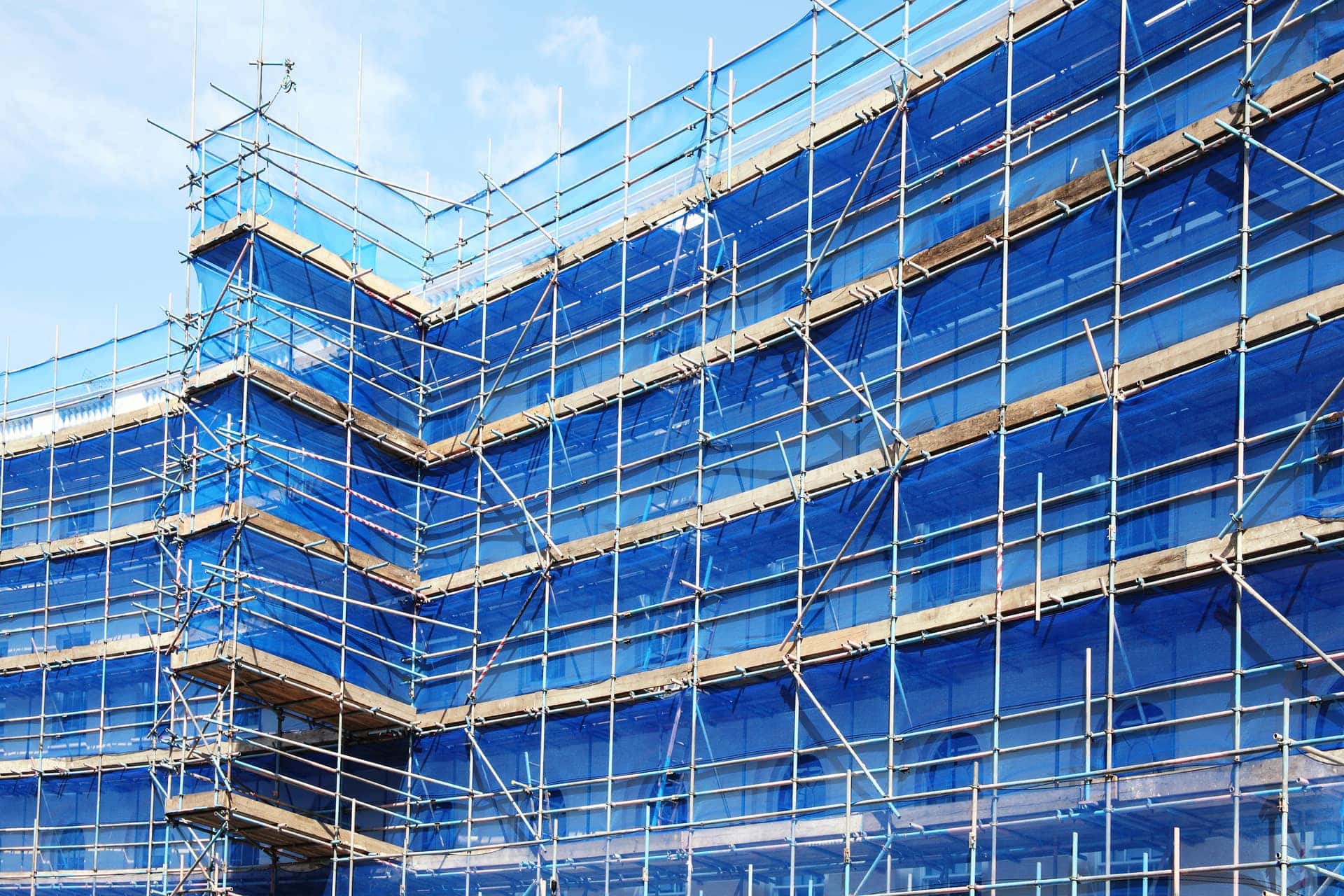
On a remediation or refurbishment scheme, the first work on site is rarely the headline work. Before cladding is replaced or compartmentation is put right, somebody has to establish what is in the building, remove what is hazardous and strip out what is in the way. A refurbishment and demolition survey, licensed asbestos removal where it is found, soft strip, and clearance that is independent of whoever did the removal.
That is the part of the programme most easily left until approval arrives, and the part that most often adds months when it is. A scheme that has sat at Gateway 2 for 32 weeks has had 32 weeks in which that work could have been scoped.
Figures are from the Building Safety Regulator's building control approval application data for July to September 2026, published 9 October 2026, with data correct as of 5 October 2026.
Spectra delivers asbestos surveys, licensed removal, soft strip demolition and fire protection on occupied higher-risk buildings.