HMRC has concluded that the relief is not properly incentivising the clean up of derelict and brownfield land. Developers have until 21 September 2026 to respond.
Land Remediation Relief has been part of the brownfield development picture for two decades, giving a 150 per cent corporation tax deduction on qualifying clean up costs, with loss making companies able to surrender the loss for a payable credit. On a large scheme the numbers are significant, and qualifying spend of several million pounds can turn into a seven figure cash benefit.
The Government has now concluded that the relief is not fully achieving its objective of incentivising the remediation of derelict and brownfield land. A consultation on reforming it is open until 21 September 2026, which gives developers, landowners, investors and their advisers a genuine opportunity to shape what replaces or reshapes the current design.
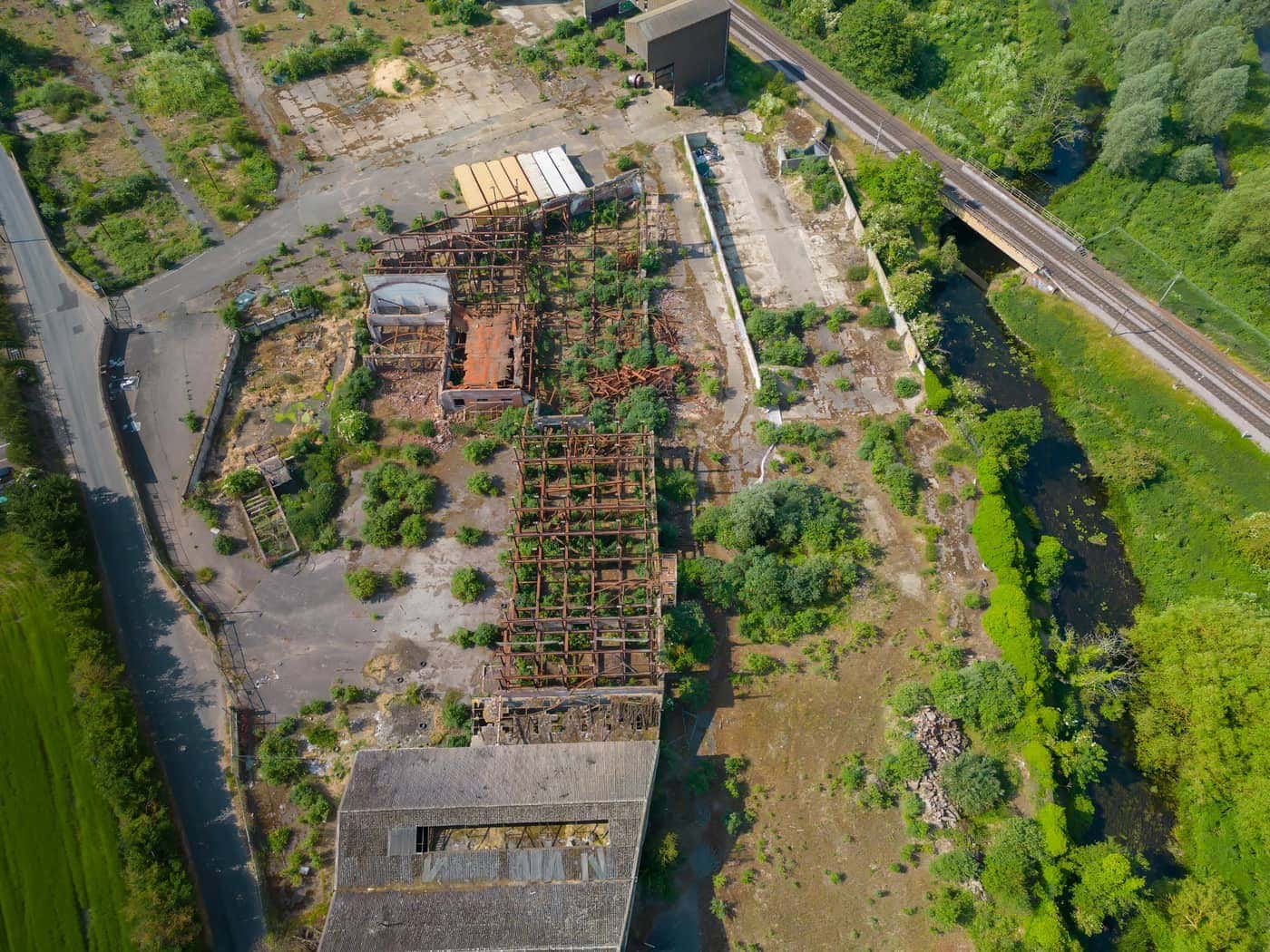
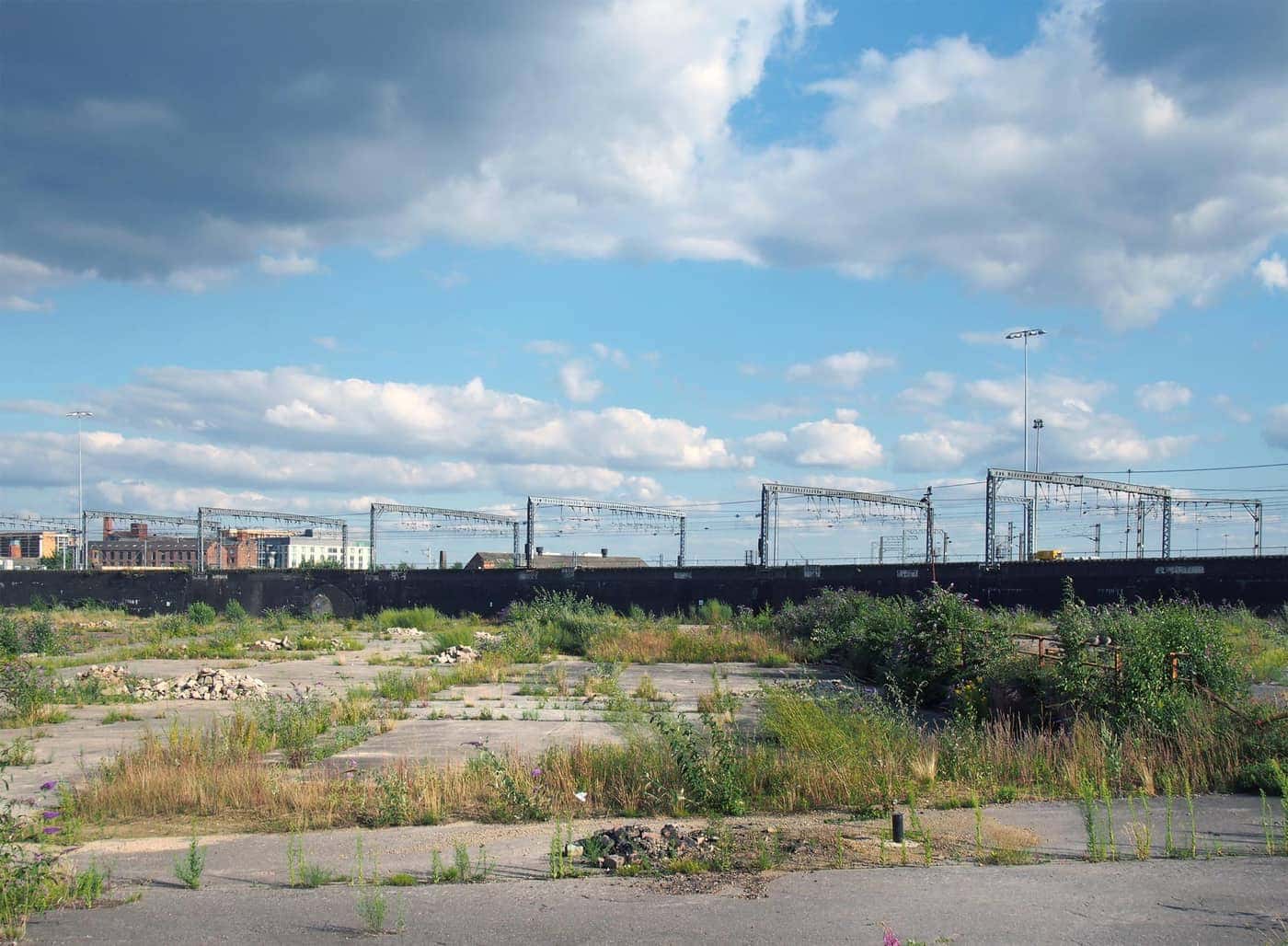
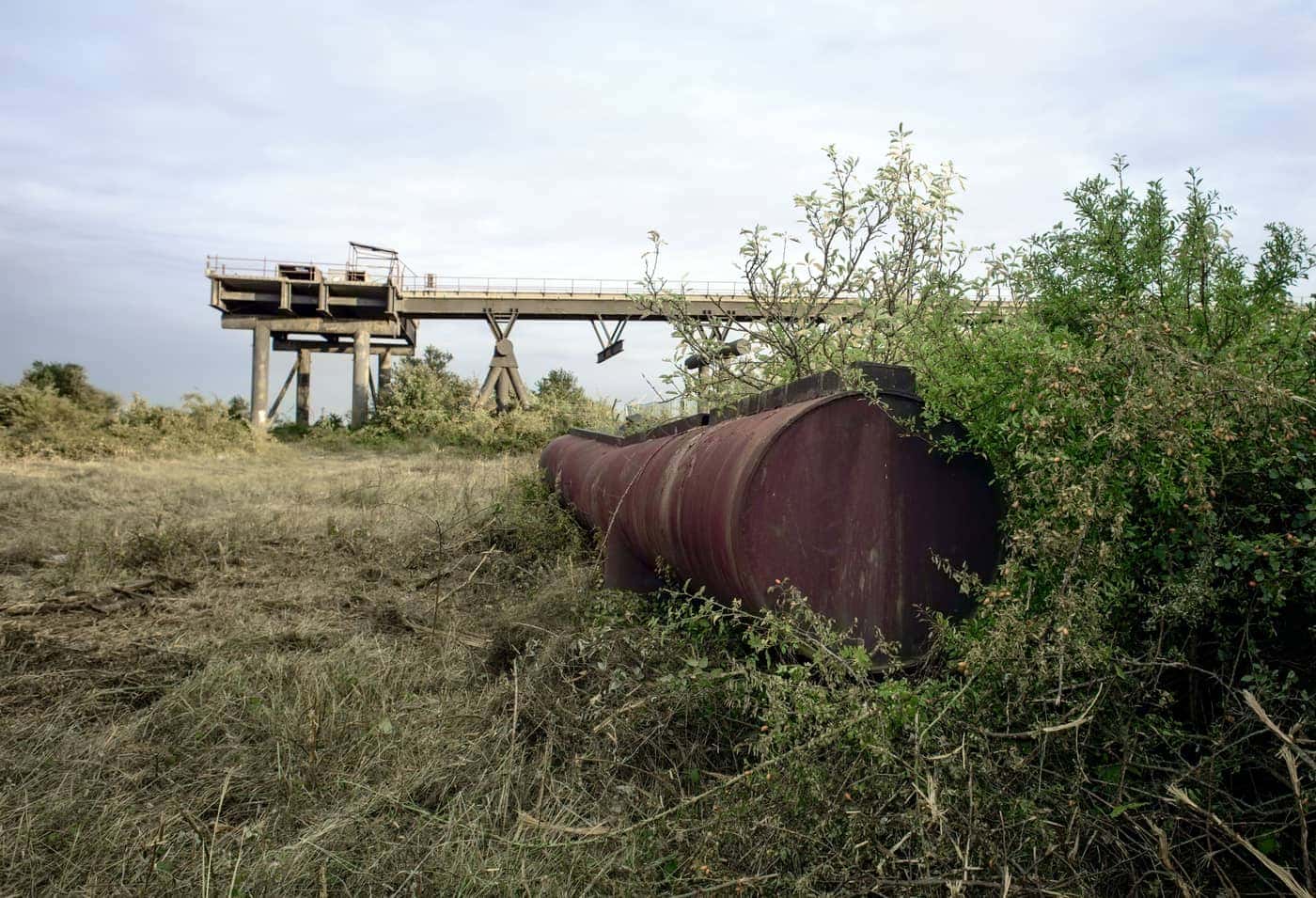
Whatever the outcome, the underlying commercial point does not change. Relief is claimed against qualifying costs, and qualifying costs have to be identified, evidenced and properly scoped. That work starts with a competent ground investigation and a remediation strategy, not with a tax return. It matters most on the sites where the relief is most often claimed: former industrial and dockland ground along the Thames Gateway and through south Essex, the old manufacturing belt of the North West, and the gasworks, depots and yards scattered across every major urban authority. Sites where contamination was found late and dealt with reactively tend to produce the weakest claims as well as the worst programme outcomes.
For anyone with brownfield land in the pipeline, the practical step is to make sure the land remediation strategy and the cost records are built to support a claim from the outset, and to have a view on the consultation while it is still open.
The relief matters commercially, but it only works if the costs behind it are properly identified and evidenced, and that comes back to how the job was scoped in the first place. If the ground investigation was cut back to save money at the front end, you tend to get two problems rather than one: a remediation strategy built on poor information, and a weaker claim at the end of it. Do the investigation properly and both look after themselves.