
The path to net zero runs through the UK's existing building stock, and most of it needs significant work before it gets there. For social housing providers and public sector estates, the challenge isn't the ambition. It's knowing where to start and how to sequence the investment.
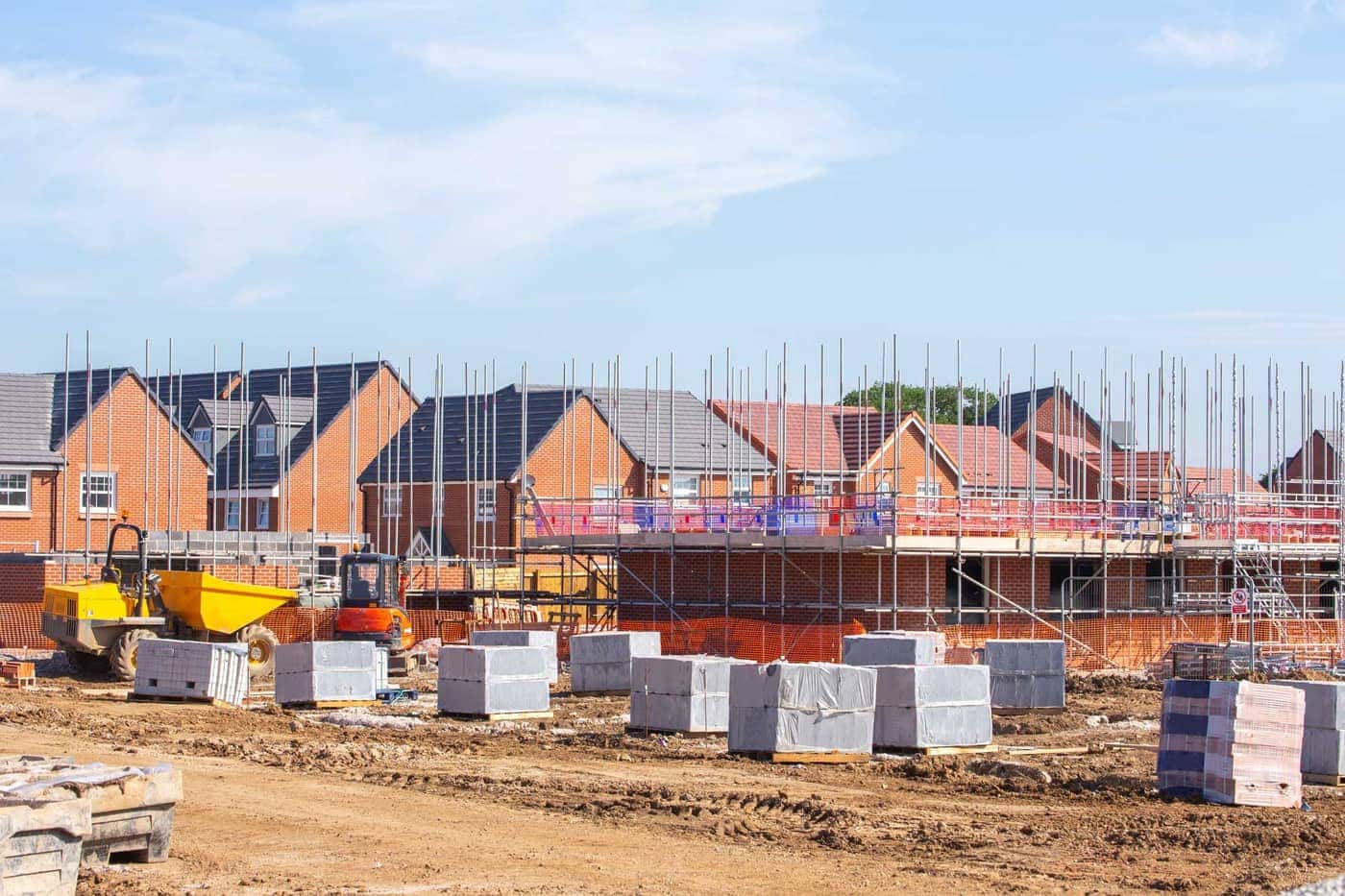
The UK's net zero goal necessitates retrofitting tens of millions of existing buildings over the next 25 years. Although new construction helps achieve the target, it alone cannot suffice. The current building stock is too extensive and too high in carbon emissions to be balanced out by future developments. Consequently, for local authorities, housing groups, NHS trusts, and public sector estate managers, the focus must be on decarbonising their existing properties.
Most organisations aiming for net zero have a strategy document and a target date, but fewer possess a detailed, costed plan linking current building conditions to that future goal. The gap between the strategy and implementation often causes delays. Without knowledge of each building's current fabric performance, including insulation, air leakage, heating efficiency, and ventilation, it is challenging to determine where to invest first or how to schedule improvements effectively.
The fabric-first principle is crucial. Proper thermal insulation, covering walls, roofs, floors, and service penetrations, is essential for low-carbon heating systems to meet their design goals. If a building loses heat through its fabric, a heat pump won't achieve the expected energy savings. Insulation must be prioritised; otherwise, the investment in new systems could be partly wasted. Unfortunately, many retrofit programmes currently overlook this proper sequence.
Facilities management often plays an underused role in decarbonisation planning. Regular condition surveys, part of a structured construction facilities management programme, gather asset data crucial for investment decisions. These surveys highlight areas with poor fabric performance, systems nearing end of life, and where immediate intervention can reliably improve energy efficiency long-term. Without this data, capital programmes are usually guided by visibility and urgency rather than strategic impact.
Spectra aids decarbonisation efforts in social housing, public sector, and commercial estates by providing thermal insulation, energy efficiency upgrades, and construction facilities management services that offer essential condition intelligence. For organisations committed to achieving their net zero targets, rather than merely reporting progress, combining accurate asset data with well-planned, fabric-first interventions is crucial for meaningful progress. Much of that stock sits in London, Essex and Kent, where solid wall construction and post war system build dominate the older portfolios.