Since the regulatory changes that followed Grenfell, passive fire protection has been under closer inspection than at any point in recent memory. Surveys across London and other major cities continue to surface the same categories of failure, and many buildings still aren't where they need to be.
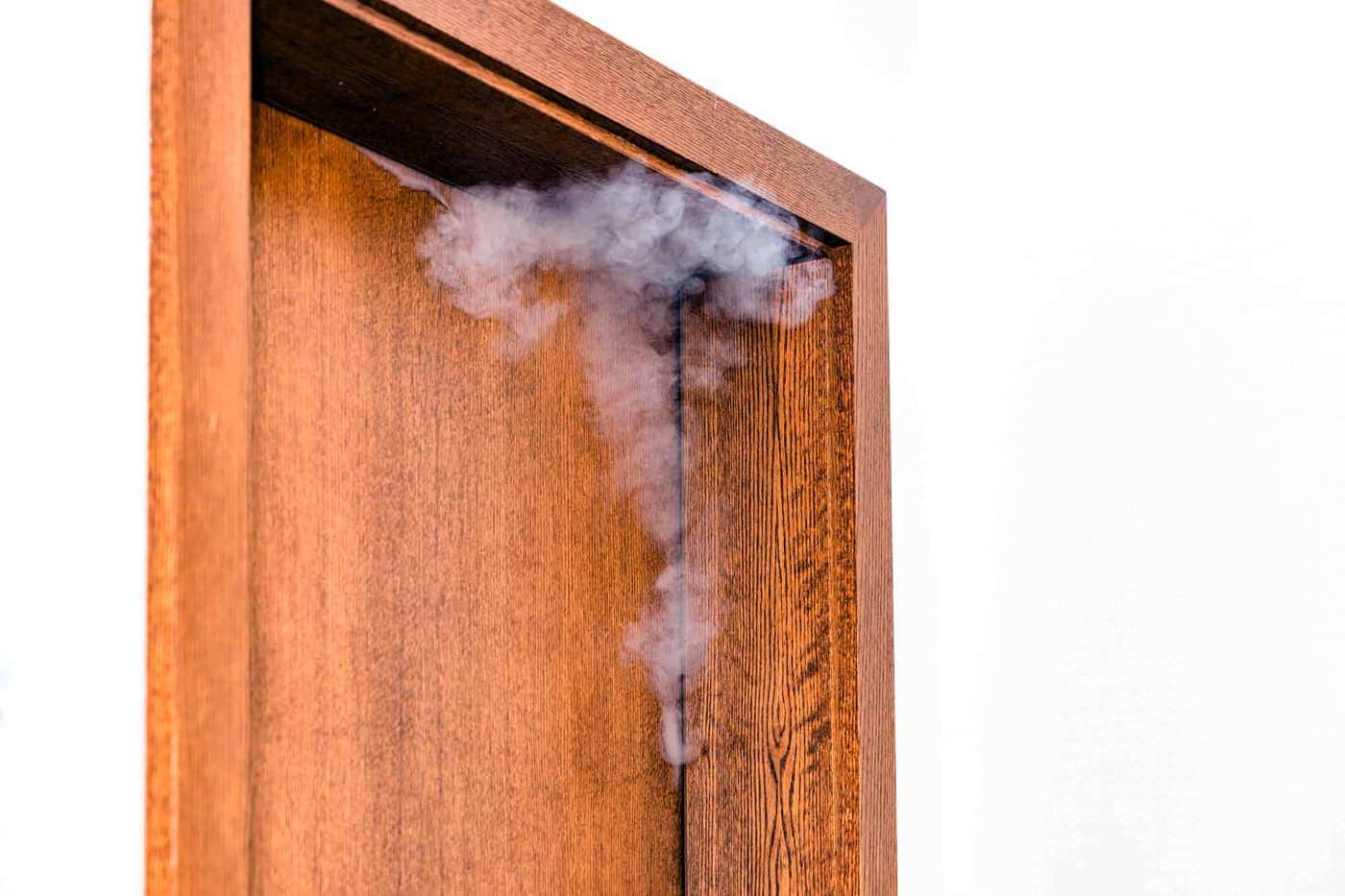
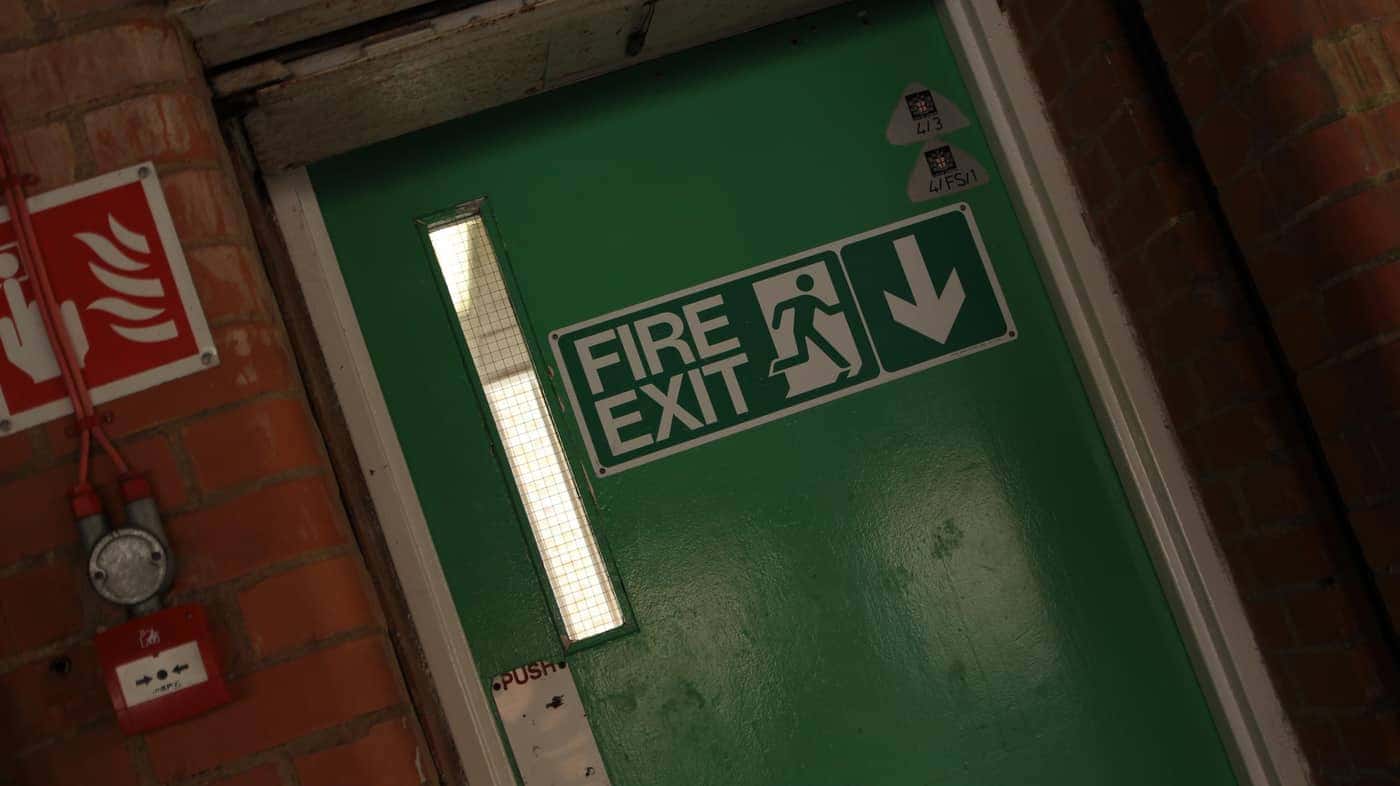
Passive fire protection functions quietly in the background. Unlike sprinkler systems or alarm panels, it doesn't alert or indicate failures. Compartment walls, intumescent seals, fire doors, and protected escape routes work silently until they fail. Since 2017, regulations have shifted towards verifying the actual contents of buildings instead of assuming the provided information is accurate.
The findings remain consistent. In residential blocks, commercial buildings, and public-sector premises across London and major UK cities, compartmentation surveys regularly detect unsealed penetrations, fire doors that are altered or fail to close properly, and intumescent products that are missing, damaged, or wrongly specified. The common occurrence of these issues indicates that this isn't just isolated negligence but points to a widespread systemic gap in maintenance and oversight.
Part of the problem is that passive fire protection is often seen as a one-time installation instead of an ongoing responsibility. A building that is fully compliant upon completion can develop serious deficiencies over time as services are upgraded, tenants make modifications, and maintenance teams without specialised fire protection expertise perform repairs. Each unsealed penetration or unreplaced door closer represents a departure from the building's original fire safety plan.
The Building Safety Act has significantly increased accountability. Persons responsible and accountable for higher-risk buildings must now provide documented evidence of compliance. Building safety cases must include records that accurately represent the current state of the building's fire protection measures, not just what was installed at handover.
Spectra offers IFC-accredited fire protection services across London and the UK, including compartmentation surveys, fire stopping remediation, fire door inspections, and intumescent coating applications. We assist building owners and managers in understanding their current compliance status and help develop structured remediation plans by providing both assessments and the necessary remediation work to bridge any gaps.