Article from Darren Chinnery, Senior Consultant and Quality Manager
I will tell you where the real danger sits with asbestos, and it is not where most people look. It is the register. Not whether you have got one, but whether anyone has actually kept it up to date since the day it was written.
Here is the thing about our industry that makes this so important. Asbestos does not drop you where you stand. It is not an electric shock or a burn that you feel straight away. It sits there quietly and comes back to find you fifteen, twenty-five, or forty years later. That latency is the whole reason we have the legislation we have, and it is the whole reason Regulation 4 of the Control of Asbestos Regulations 2012, the duty to manage, places so much weight on getting the register right.
Let me give you a real example of how it goes wrong. Say an asbestos register was created three years ago, and a couple of store rooms were always locked and never accessed, so they were marked as no access. Then, in the year four re-inspection, someone finally gets in there, and there is asbestos insulation board sitting in one of them. That gets recorded in our report. But nobody at the site takes that finding and adds it to the master register. Twelve months on, they decide to knock those two rooms into one bigger space, because people are forever reconfiguring buildings, schools and hospitals, especially. The contractor pulls up the register, sees nothing listed, and smashes straight through it. Now you have exposed every person working that day. If it is a school, you have potentially exposed children, right at the start of their lives, to something that might catch up with them decades down the line.
From the duty holder’s side, that is legal action waiting to happen, and it is horrible litigation, because you are trying to prove a point of exposure, a level of exposure, and how long it went on for, all after the event, when there is nothing left in the air to measure. But forget the legal side for a second. The bigger issue is the people who were just doing their jobs in that building.
So when a duty holder tells me their register is probably fine, that phrase on its own is the problem. It should not be ‘probably’. It should be ‘we are bang on, our re-inspection is next month’. If you want to know whether yours actually stacks up, ask yourself three questions. One, do you know where the register is, and can you actually get to it? Two, when was the last survey done, and do you understand your legal duty to re-inspect and manage those materials, not just find them and leave them? Three, who updates the register on the agreed re-inspection date, and do you even know what that date should be? High-risk items might need looking at every six months; others once a year.
The one that catches people out most is the last one. Companies spend good money to have materials managed or removed, and then nobody updates the register. It is useless at that point. You have got rid of the problem, but you are the only bugger in the building who knows it is gone. Everyone else is still working off the old picture. Keep it live, keep it correct, and it does its job. Leave it in a drawer, and it does nothing at all.
Industry News &
Insights
Updates, insights and practical perspectives on the challenges and changes affecting our clients and the sectors we work in.

Your Asbestos Compliance Will Not Fail on Day One. It Fails Twelve Months Later
The mistake I watch duty holders make every single week, and how easy it is to avoid.
Find out more300,000 Potentially Contaminated UK Sites — and Most Don’t Have Adequate Records
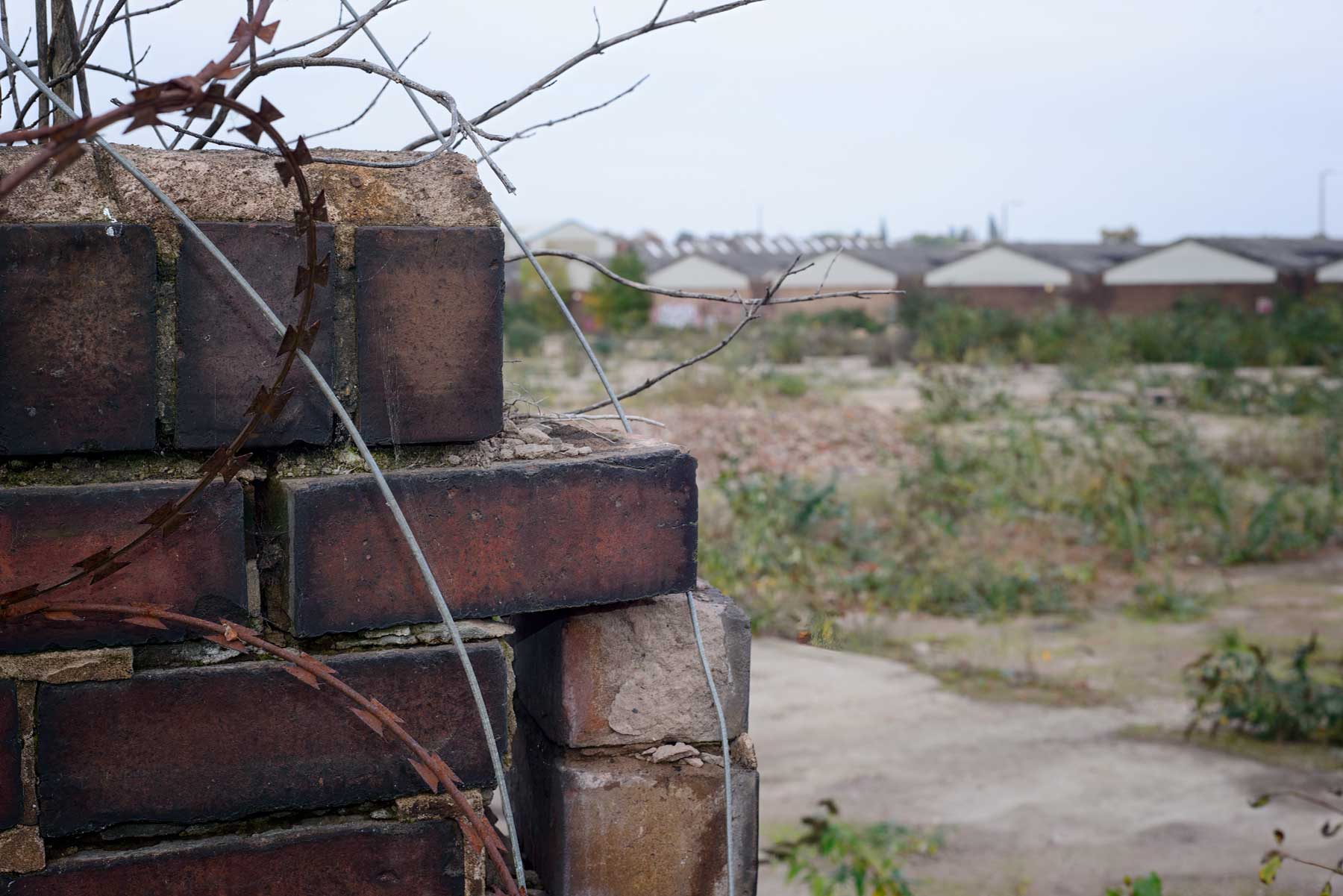
Research published in 2026 has highlighted the extent to which contaminated industrial sites across England remain inadequately documented. For developers working on brownfield land, the practical consequences of that gap are well understood.
The HSE’s Asbestos Consultation Has Closed — Here’s What the Proposed Changes Mean in Practice
The HSE’s public consultation on strengthening asbestos regulations closed in January 2026, with analysis and any proposed legislative changes expected in the coming months. Some of the proposals have direct practical implications for duty holders, building owners and anyone commissioning asbestos work.

A Quarter of Social Housing Blocks with Life-Critical Fire Defects Won’t Be Fixed Before 2030
The Regulator of Social Housing has confirmed that more than one in four residential blocks identified with critical fire safety defects are not on track to be remediated within the next five years. For the residents living in them, that’s a significant wait for a problem that’s already been identified.

Our Core
Services
At Spectra, we provide trusted, compliant solutions across asbestos, demolition, fire protection, remediation, and construction services — delivered safely and efficiently nationwide.



Why Choose
Spectra
With nationwide response, independent professional advice, and a qualified, experienced team, Spectra provides the confidence and capability your projects need. Our commitment is clear — to deliver safe, compliant, and cost-effective results every time.
Contact Spectra today — for trusted expertise in asbestos, demolition, fire protection, and environmental safety.