Article from Perry Winch, Managing Director, Spectra
Let me tell you where compliance actually goes wrong, because in my experience, it is almost never where people expect.
Most duty holders are good at the start. They know their duty of care, they get a management survey done, and they bring in an independent firm to write the register and the management plan. All of it done properly. I have no complaints about the front end. People get that bit right.
Here is the problem. A register is a live document, or it is nothing. What I see, week in and week out, is people treating it as a one-off. Survey done, plan written, straight into the top drawer of a filing cabinet, never looked at again. Twelve months down the line, the building has changed, work has been carried out, and that paperwork no longer matches reality. You are non-compliant, and you do not even know it. The legal responsibility is still yours, by the way. That never moved.
And it always comes at the worst possible moment. You plan a refurbishment, bring in a contractor, and one of their subcontractors asks to see your up-to-date register before they start. That is when the red flags go up. The document is outdated, the materials listed do not match what is actually in the building, and a job that should have started clean is now sat there going nowhere while we work out where you really stand.
None of this is complicated. Treat the register and the management plan as living documents. Review them. Update them when the building changes. That is the whole job. The people who get caught out are the ones who did everything right at the start and then lost interest. I see it every week, and it is completely avoidable.
Industry News &
Insights
Updates, insights and practical perspectives on the challenges and changes affecting our clients and the sectors we work in.
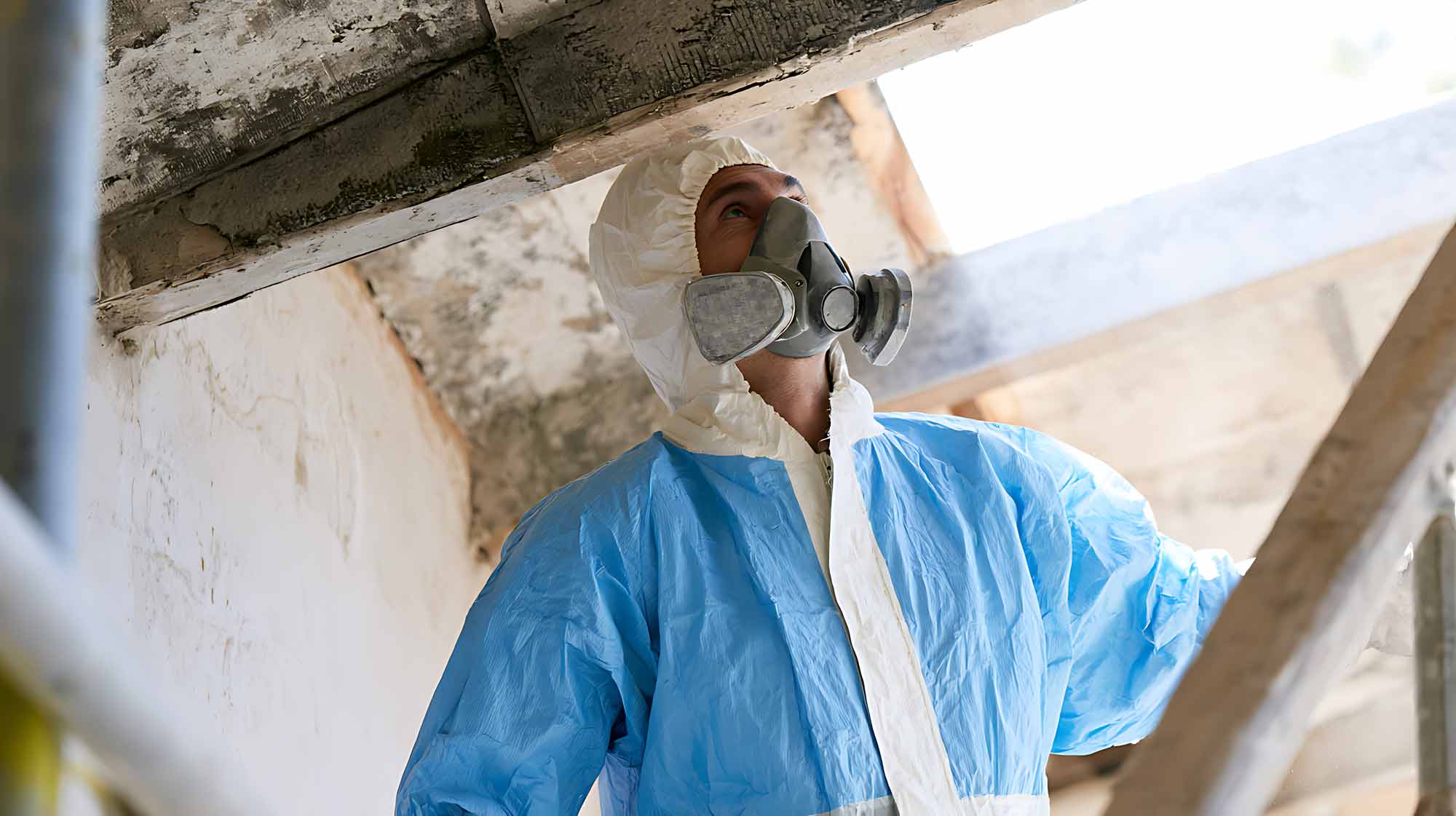
What Actually Makes a Poor Asbestos Survey, and How to Spot One Before You Commission It
We are all trained to the same standard. So why is the quality all over the place? Two words: human interpretation.
Find out moreIf You Open With What Is Your Cheapest Price, We Are Probably Done Already
Why the lowest number is a red flag, not a starting point, in work that is driven by law.

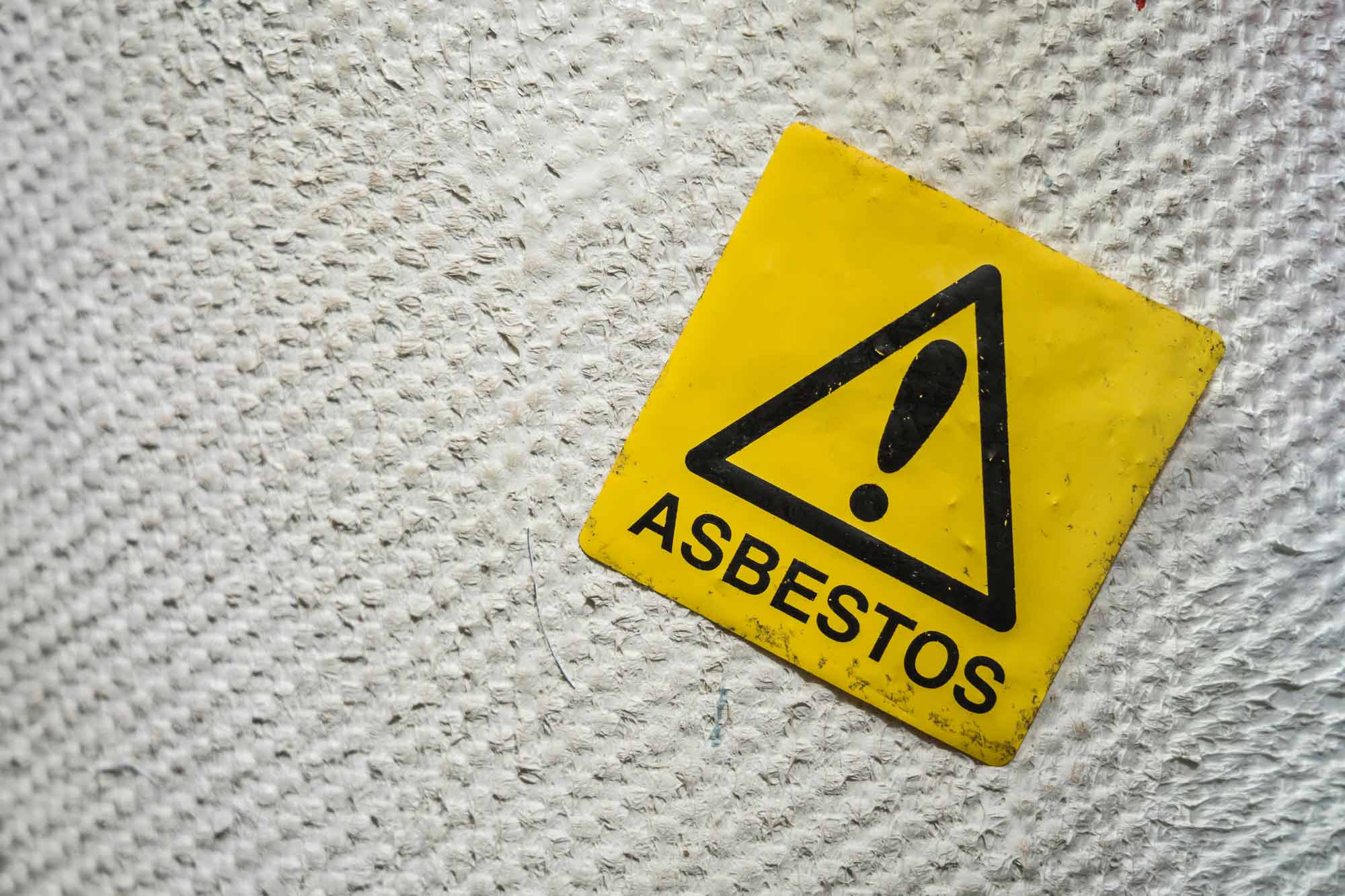
Your Asbestos Register Is Only as Good as the Last Time Someone Updated It
The most dangerous register is not the one you have not got. It is the one you think is fine.
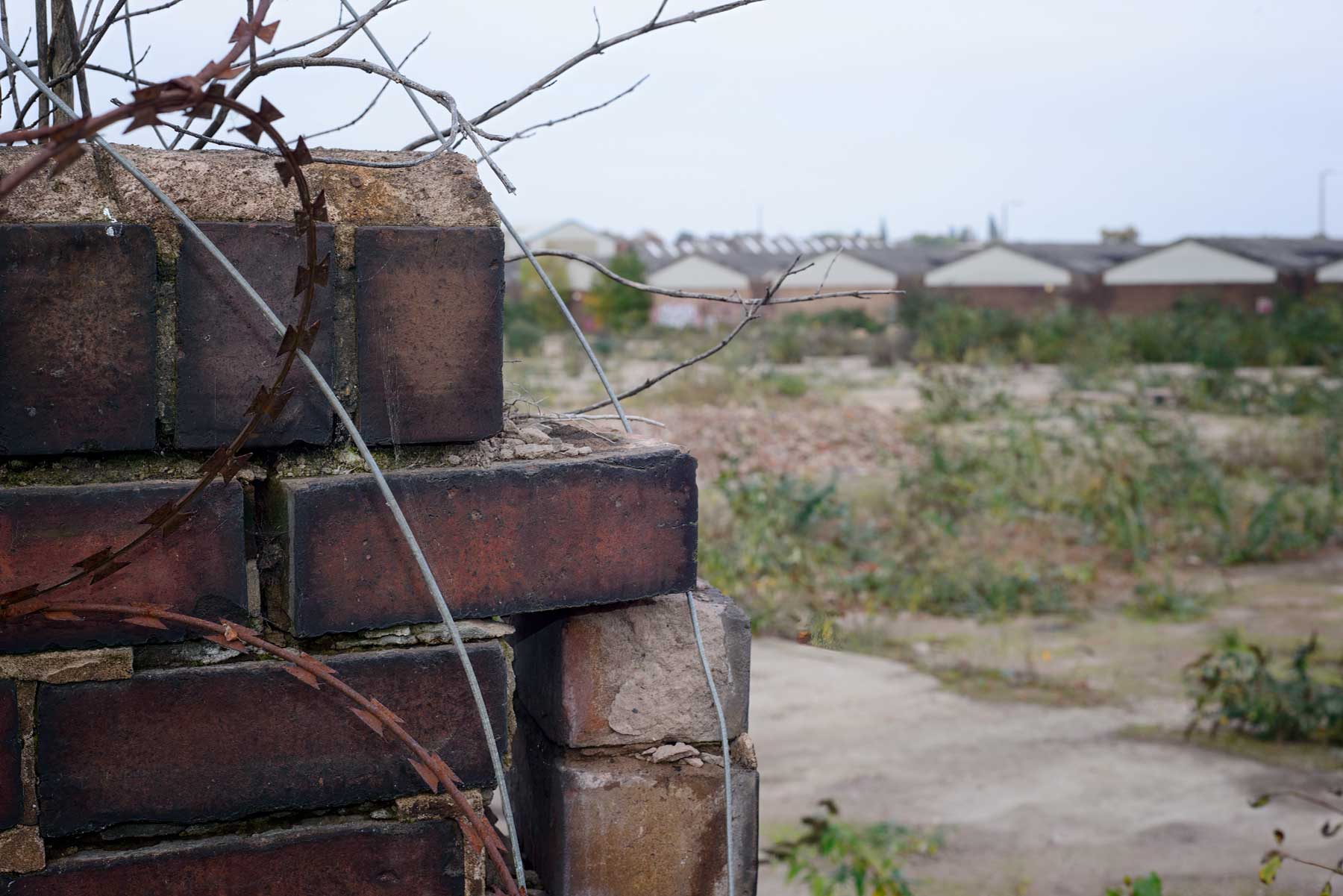
300,000 Potentially Contaminated UK Sites — and Most Don’t Have Adequate Records
Research published in 2026 has highlighted the extent to which contaminated industrial sites across England remain inadequately documented. For developers working on brownfield land, the practical consequences of that gap are well understood.
Our Core
Services
At Spectra, we provide trusted, compliant solutions across asbestos, demolition, fire protection, remediation, and construction services — delivered safely and efficiently nationwide.


Why Choose
Spectra
With nationwide response, independent professional advice, and a qualified, experienced team, Spectra provides the confidence and capability your projects need. Our commitment is clear — to deliver safe, compliant, and cost-effective results every time.
Contact Spectra today — for trusted expertise in asbestos, demolition, fire protection, and environmental safety.