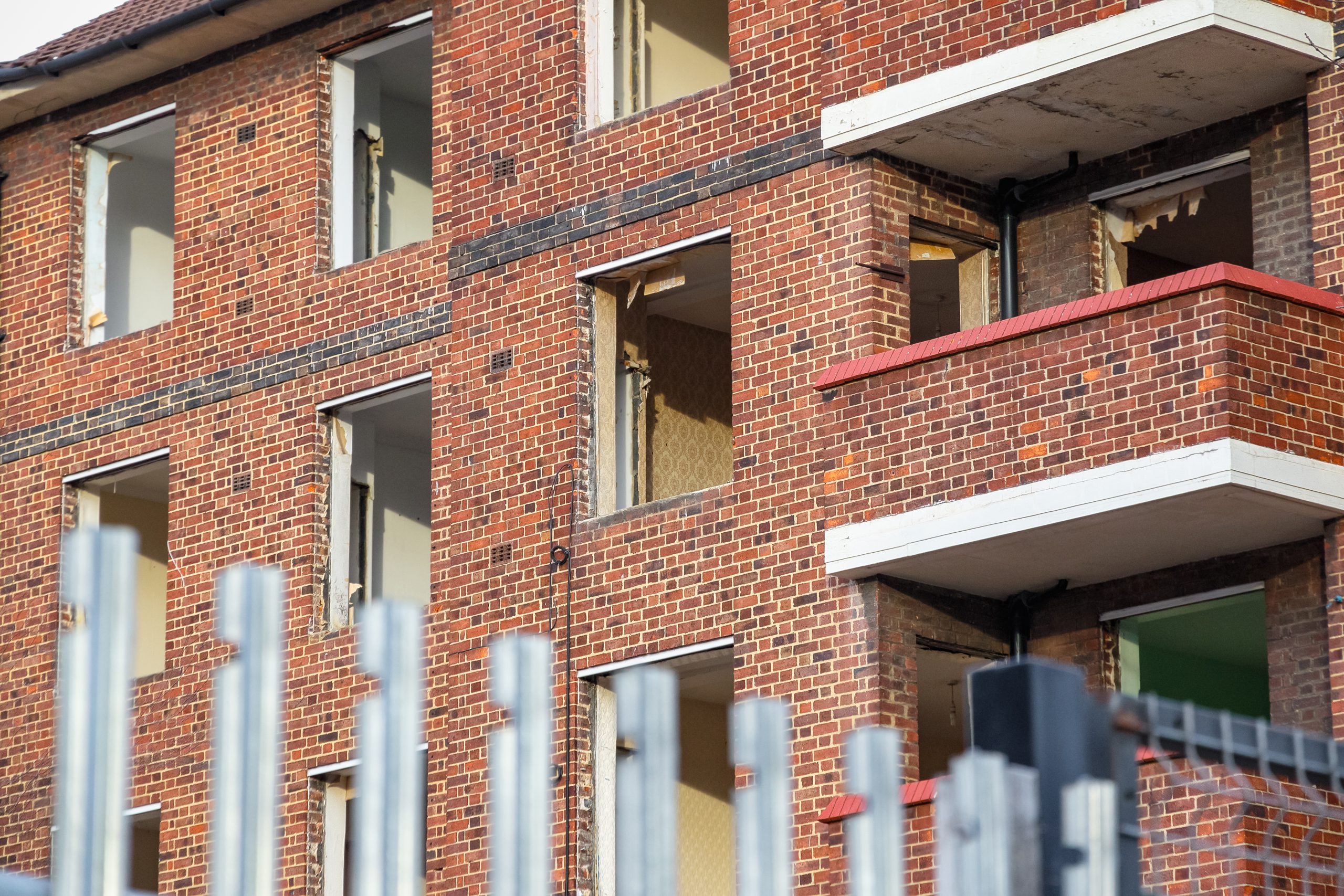
The latest data from the Regulator of Social Housing on fire safety remediation is concerning. More than a quarter of the social housing blocks identified by landlords as having serious fire safety defects are not expected to be remediated before 2030. These are not projections based on future uncertainties — these buildings have already been identified as defective, and the timeline for fixing them extends beyond five years.
Since Grenfell, the primary focus has understandably been on external wall systems and cladding, and this focus is justified. However, external wall defects are interconnected with other building elements. Cladding remediation often causes significant disruptions to the building’s structure, including scaffolding, penetrations through floors and walls, and work in roof spaces and service voids. Each of these activities poses a risk to internal compartmentation if not carefully managed. A building with new cladding but unresolved fire-stopping breaches has not fully addressed its fire safety concerns.
The fire protection components within these buildings — including penetration seals, intumescent products, fire door integrity, and compartment wall continuity — must be continuously assessed and maintained in conjunction with the external remediation efforts. They should not be viewed as a separate workstream to be addressed later. Building safety cases now require documented evidence that covers the entire fire strategy, not just the aspects that received the most focus immediately after Grenfell.
For buildings that will not meet the 2030 deadline, the priority should be to identify specific deficiencies and develop a structured remediation plan. This involves assessing the current state of fire stopping, compartmentation, and fire doors—rather than assuming they are acceptable just because external works are in progress.
“New cladding on the outside and a mess of fire-stopping breaches internally is not a safe building — it’s a building with a new coat. I’ve been on enough of these surveys to know the internal picture is nearly always worse than the landlord thinks it is. These buildings that aren’t hitting 2030 need to get a proper compartmentation survey done now and start working through it. Waiting around isn’t an option when people are living in there.”
— Perry Winch, Managing Director, Spectra Holdings
Industry News &
Insights
Updates, insights and practical perspectives on the challenges and changes affecting our clients and the sectors we work in.
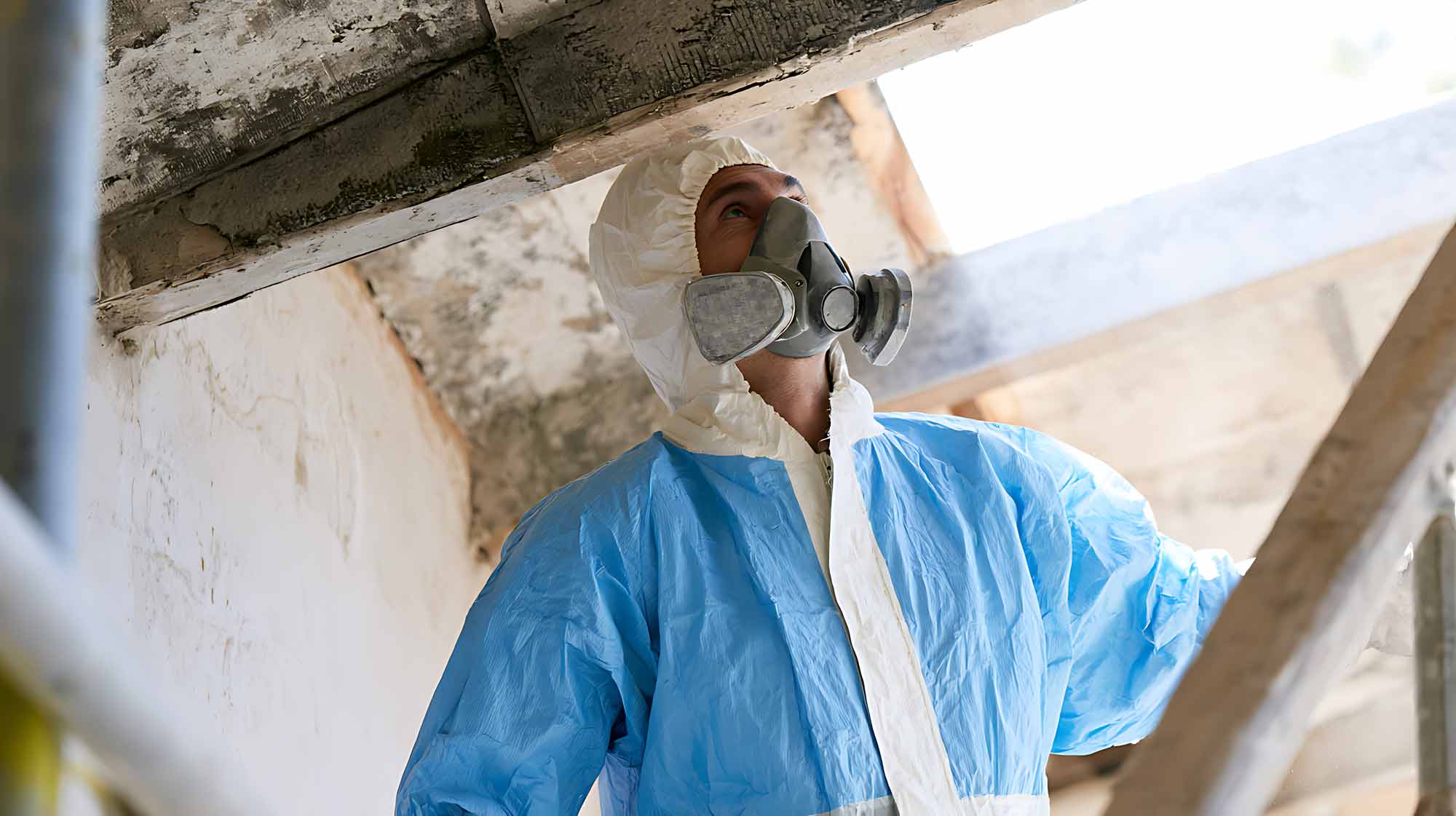
What Actually Makes a Poor Asbestos Survey, and How to Spot One Before You Commission It
We are all trained to the same standard. So why is the quality all over the place? Two words: human interpretation.
Find out moreIf You Open With What Is Your Cheapest Price, We Are Probably Done Already
Why the lowest number is a red flag, not a starting point, in work that is driven by law.

Your Asbestos Register Is Only as Good as the Last Time Someone Updated It
The most dangerous register is not the one you have not got. It is the one you think is fine.
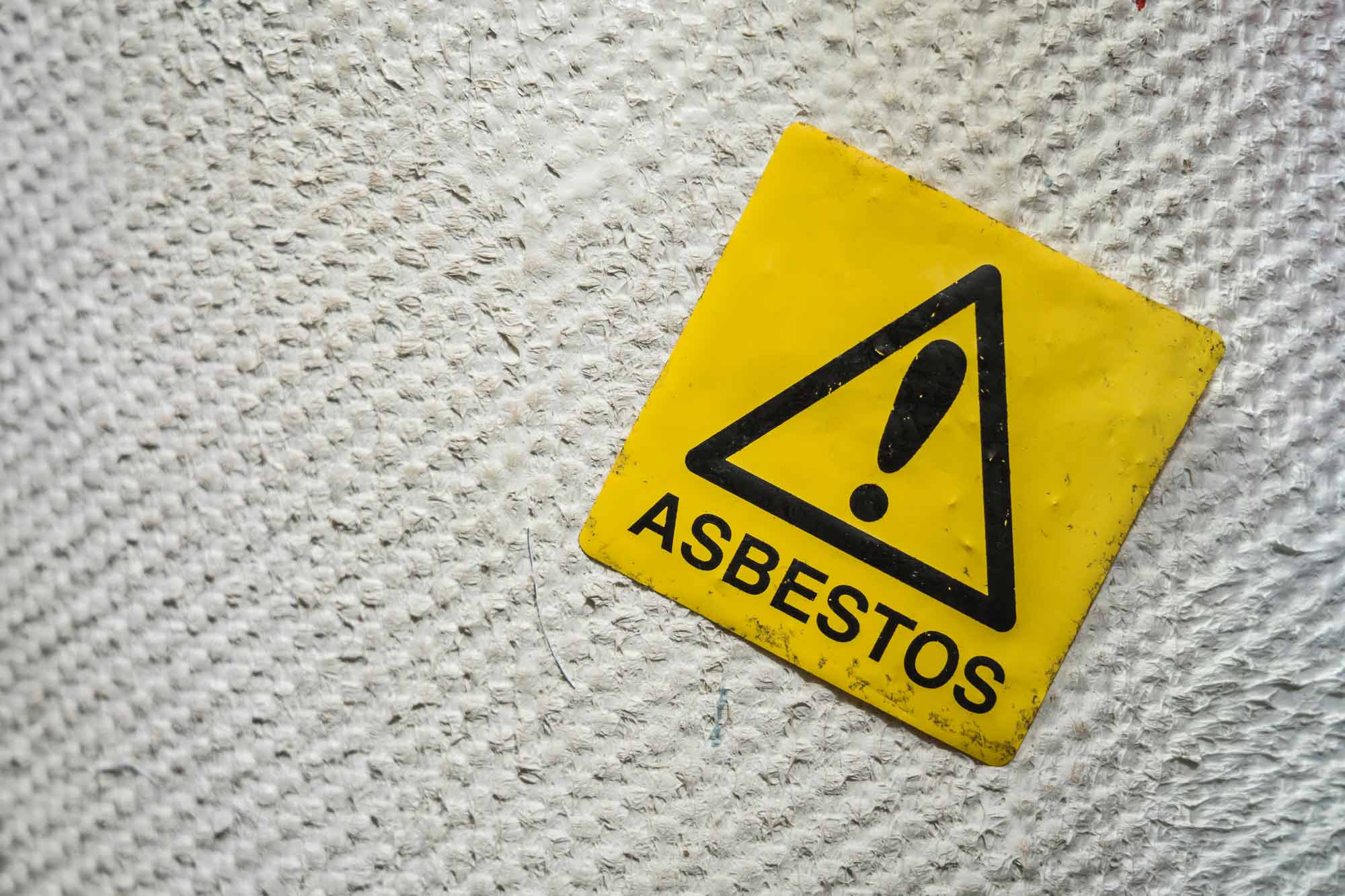
Your Asbestos Compliance Will Not Fail on Day One. It Fails Twelve Months Later
The mistake I watch duty holders make every single week, and how easy it is to avoid.

Our Core
Services
At Spectra, we provide trusted, compliant solutions across asbestos, demolition, fire protection, remediation, and construction services — delivered safely and efficiently nationwide.

Why Choose
Spectra
With nationwide response, independent professional advice, and a qualified, experienced team, Spectra provides the confidence and capability your projects need. Our commitment is clear — to deliver safe, compliant, and cost-effective results every time.
Contact Spectra today — for trusted expertise in asbestos, demolition, fire protection, and environmental safety.