The case for brownfield development is well established. England has sufficient previously developed land to deliver substantial numbers of new homes without encroaching on the green belt, and government policy consistently promotes development on these sites. Recent government allocations have specifically targeted remediation, demolition and enabling works on brownfield land in the South East and major regional hubs, with hundreds of millions committed to unlocking these sites.
What funding doesn’t change is the physical reality of the ground conditions on these sites. Former industrial, commercial and manufacturing land carries contamination from what happened there before — sometimes dating back generations of use. Hydrocarbons, heavy metals, asbestos in soils, made ground of uncertain composition, old foundations and buried infrastructure — these are the normal conditions on brownfield sites, not exceptional. The question isn’t whether contamination is present. On most brownfield sites, it is. The question is what it is, where it is, and what needs to happen to make the site buildable.
Ground investigation and risk assessment sit at the front of any credible brownfield development programme. They inform the remediation strategy, which in turn informs the enabling works design, which in turn informs the cost plan and the programme. Trying to shortcut that sequence — proceeding to enabling works before the ground is properly understood — is one of the most reliable ways to encounter expensive surprises when intrusive works begin. The cost of additional investigation at the front end is invariably lower than the cost of a programme hold while unexpected conditions are assessed.
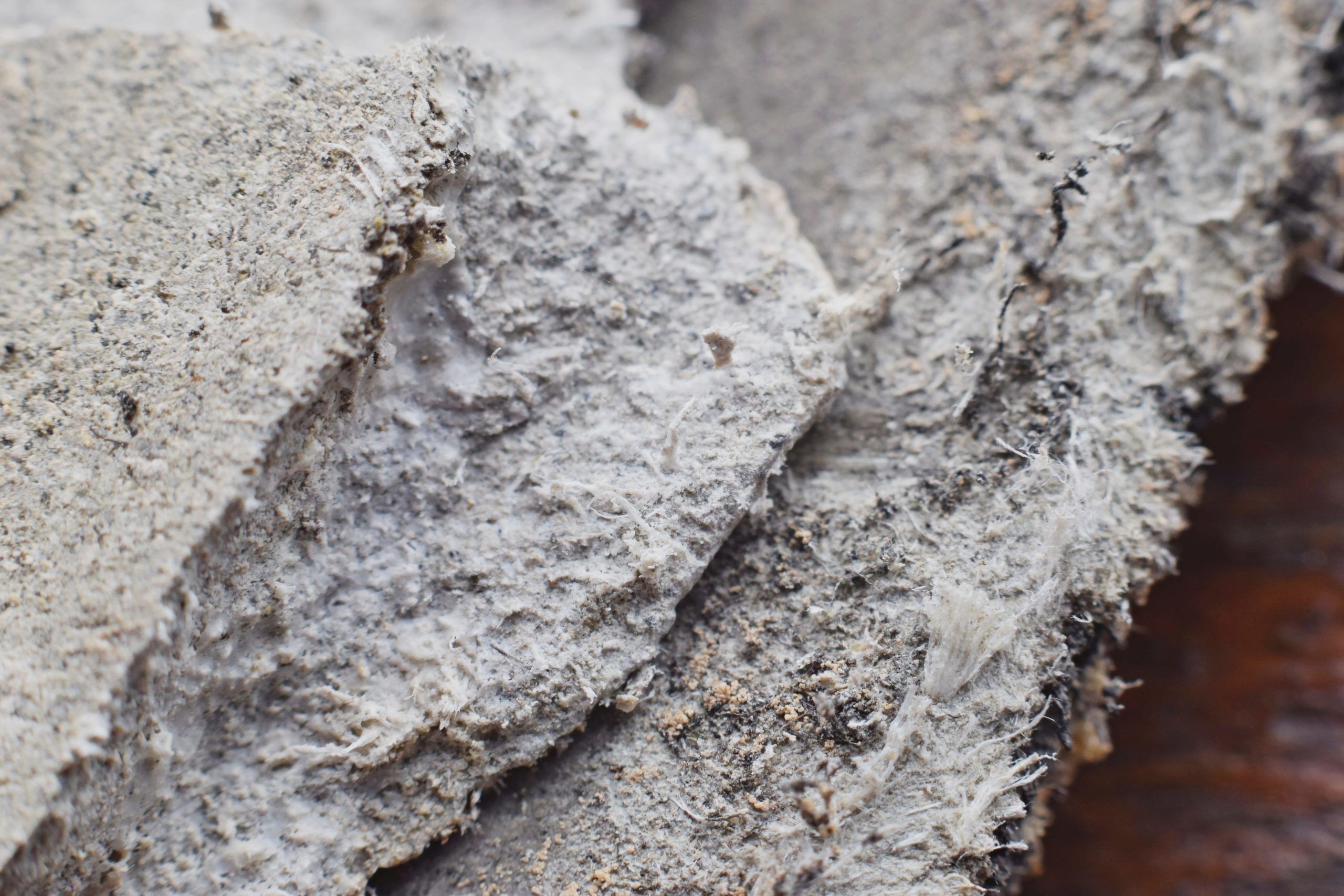
Remediation approaches vary depending on what’s present and the intended end use. In situ treatment, dig and dump, cover systems, soil washing, monitored natural attenuation — the right solution depends on a proper understanding of the site, not a default preference. For sites where asbestos in soils is identified — common on former demolition sites, industrial land and docklands — the removal and disposal process must comply with strict regulatory requirements, with validation confirming that the site has been cleaned to the required standard.
Spectra provides land and environmental remediation across the South East, Midlands, North West and wider UK, covering contaminated land assessment, asbestos-in-soils removal, and site preparation ahead of development. For developers working within tight programme and budget constraints on brownfield schemes, understanding and properly managing ground conditions is what keeps the project commercially viable.
Industry News &
Insights
Updates, insights and practical perspectives on the challenges and changes affecting our clients and the sectors we work in.
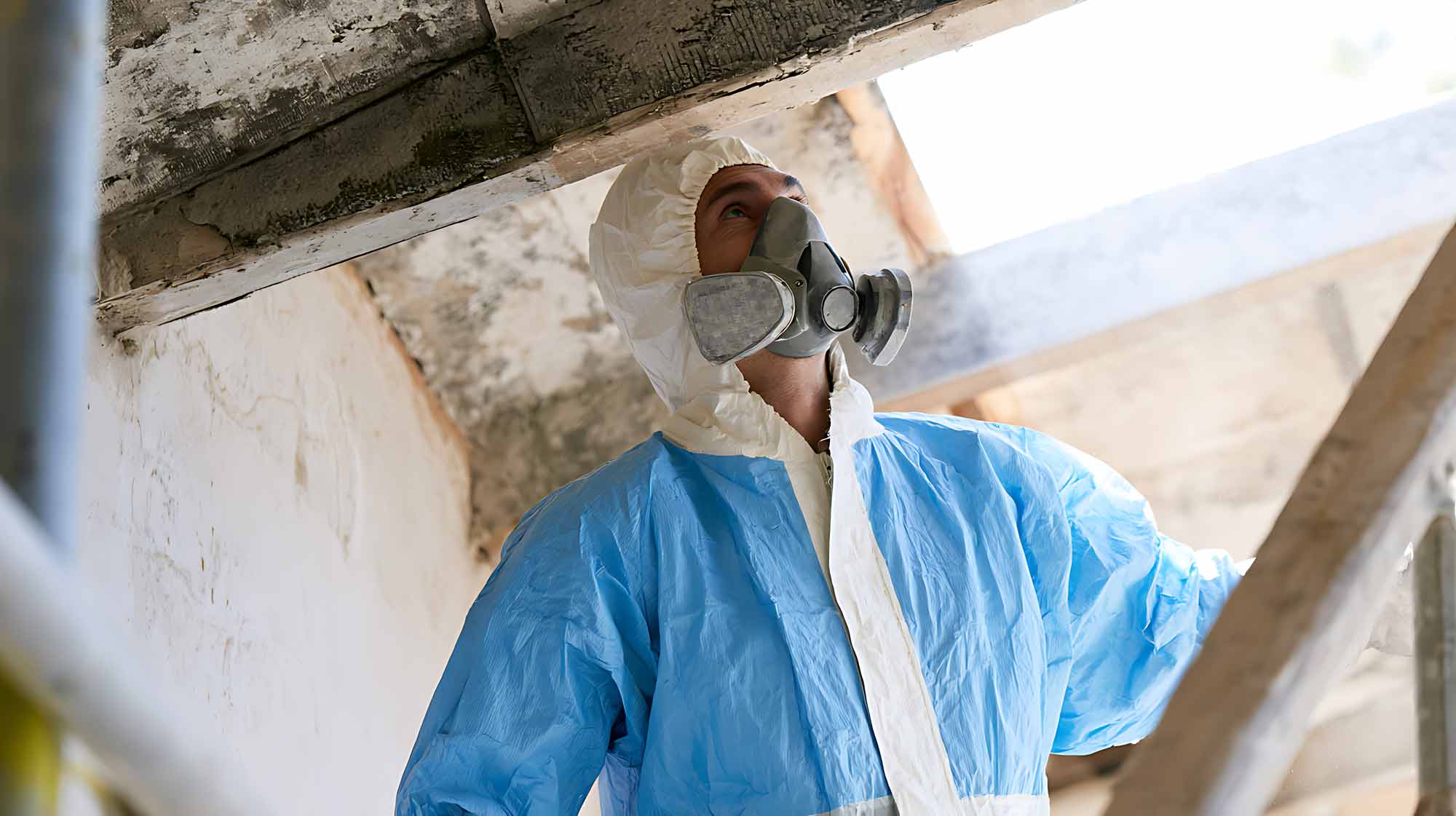
What Actually Makes a Poor Asbestos Survey, and How to Spot One Before You Commission It
We are all trained to the same standard. So why is the quality all over the place? Two words: human interpretation.
Find out moreIf You Open With What Is Your Cheapest Price, We Are Probably Done Already
Why the lowest number is a red flag, not a starting point, in work that is driven by law.

Your Asbestos Register Is Only as Good as the Last Time Someone Updated It
The most dangerous register is not the one you have not got. It is the one you think is fine.
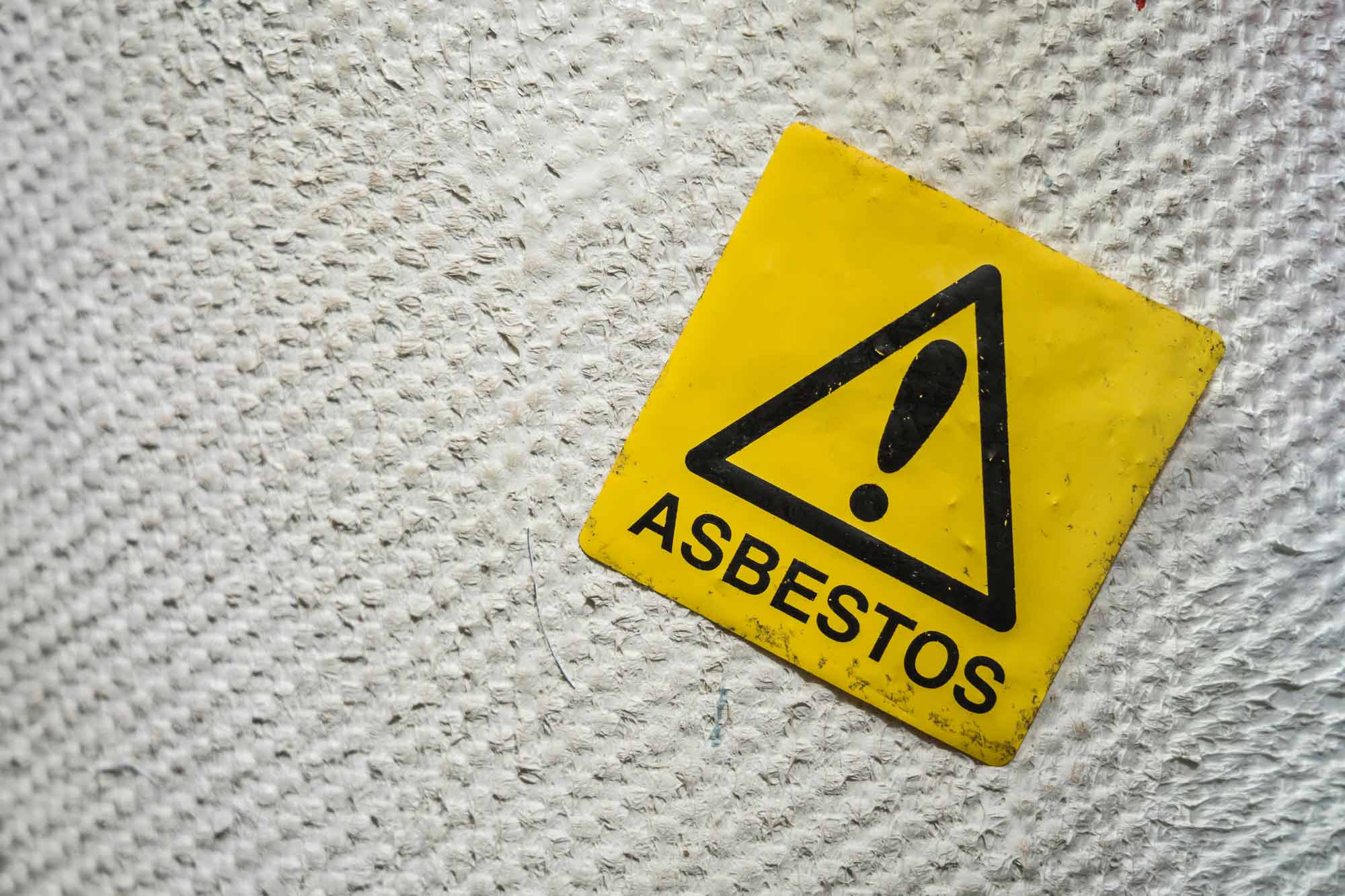
Your Asbestos Compliance Will Not Fail on Day One. It Fails Twelve Months Later
The mistake I watch duty holders make every single week, and how easy it is to avoid.

Our Core
Services
At Spectra, we provide trusted, compliant solutions across asbestos, demolition, fire protection, remediation, and construction services — delivered safely and efficiently nationwide.

Why Choose
Spectra
With nationwide response, independent professional advice, and a qualified, experienced team, Spectra provides the confidence and capability your projects need. Our commitment is clear — to deliver safe, compliant, and cost-effective results every time.
Contact Spectra today — for trusted expertise in asbestos, demolition, fire protection, and environmental safety.