Awaab’s Law sets clear, quantifiable standards. Significant damp and mould issues must be inspected within 10 working days of reporting, and emergency hazards must be addressed within 24 hours. For social housing providers managing extensive and often aging residential portfolios across London and the Home Counties, these deadlines require a more proactive and comprehensive maintenance approach than simple reactive, trade-by-trade responses.
The main failure isn’t in the investigation itself but in the remedy. Housing providers might conduct a quick inspection, produce a report, and still fail if the subsequent work doesn’t resolve the root issue. Treating surface mould alone doesn’t meet legal requirements. The law mandates that the hazard must be eliminated. If the underlying moisture source—such as poor ventilation, cold bridging, fabric failure, or water ingress—is not addressed, the hazard remains. It’s only temporarily suppressed.
The issue of complexity also needs consideration. In older residential buildings, damp and mould rarely stem from a single cause. For example, black mould on a north-facing bedroom wall could result from a mix of poor insulation, limited ventilation, and a missing cavity closer. Addressing only one of these issues without tackling the others will be ineffective and may not meet legal requirements. Therefore, a proper diagnosis is essential to guide the remediation process.
Phase 2 of Awaab’s Law broadens the hazard categories to encompass not only damp and mould but also excess cold, fire hazards, structural problems, and additional risks. Often, excess cold and damp occur in the same building due to the same basic issue: poor building fabric performance. Therefore, thermal insulation and damp remediation efforts should not be addressed separately but as part of a comprehensive approach.
Spectra collaborates with housing providers throughout London, the Home Counties, and the broader UK on removing dampness and black mould, as well as implementing thermal insulation and energy efficiency upgrades. For landlords working to comply with Awaab’s Law, tackling both issues simultaneously is the most effective approach—showing the regulator that the problems have been thoroughly addressed.
Industry News &
Insights
Updates, insights and practical perspectives on the challenges and changes affecting our clients and the sectors we work in.
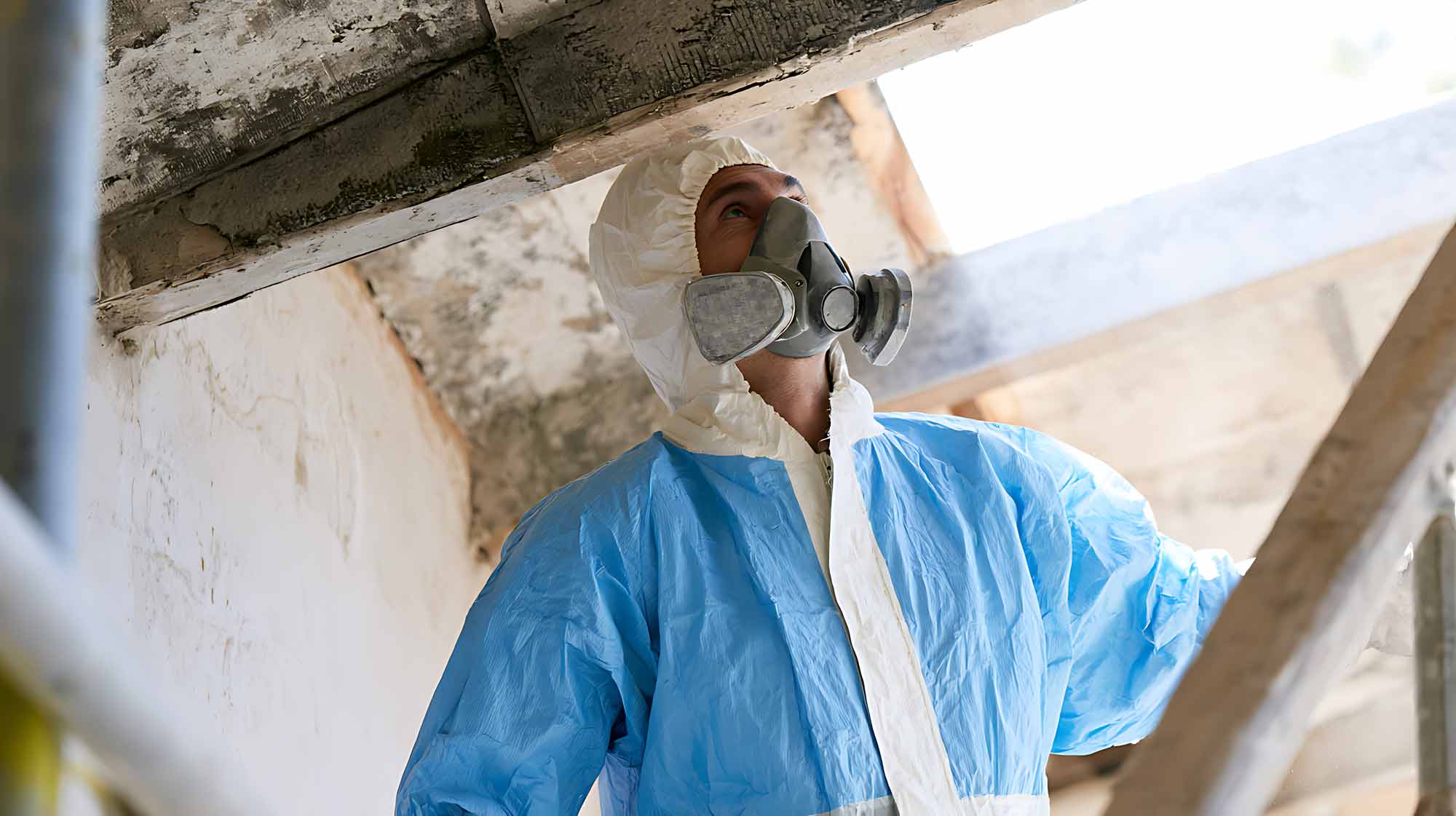
What Actually Makes a Poor Asbestos Survey, and How to Spot One Before You Commission It
We are all trained to the same standard. So why is the quality all over the place? Two words: human interpretation.
Find out moreIf You Open With What Is Your Cheapest Price, We Are Probably Done Already
Why the lowest number is a red flag, not a starting point, in work that is driven by law.

Your Asbestos Register Is Only as Good as the Last Time Someone Updated It
The most dangerous register is not the one you have not got. It is the one you think is fine.
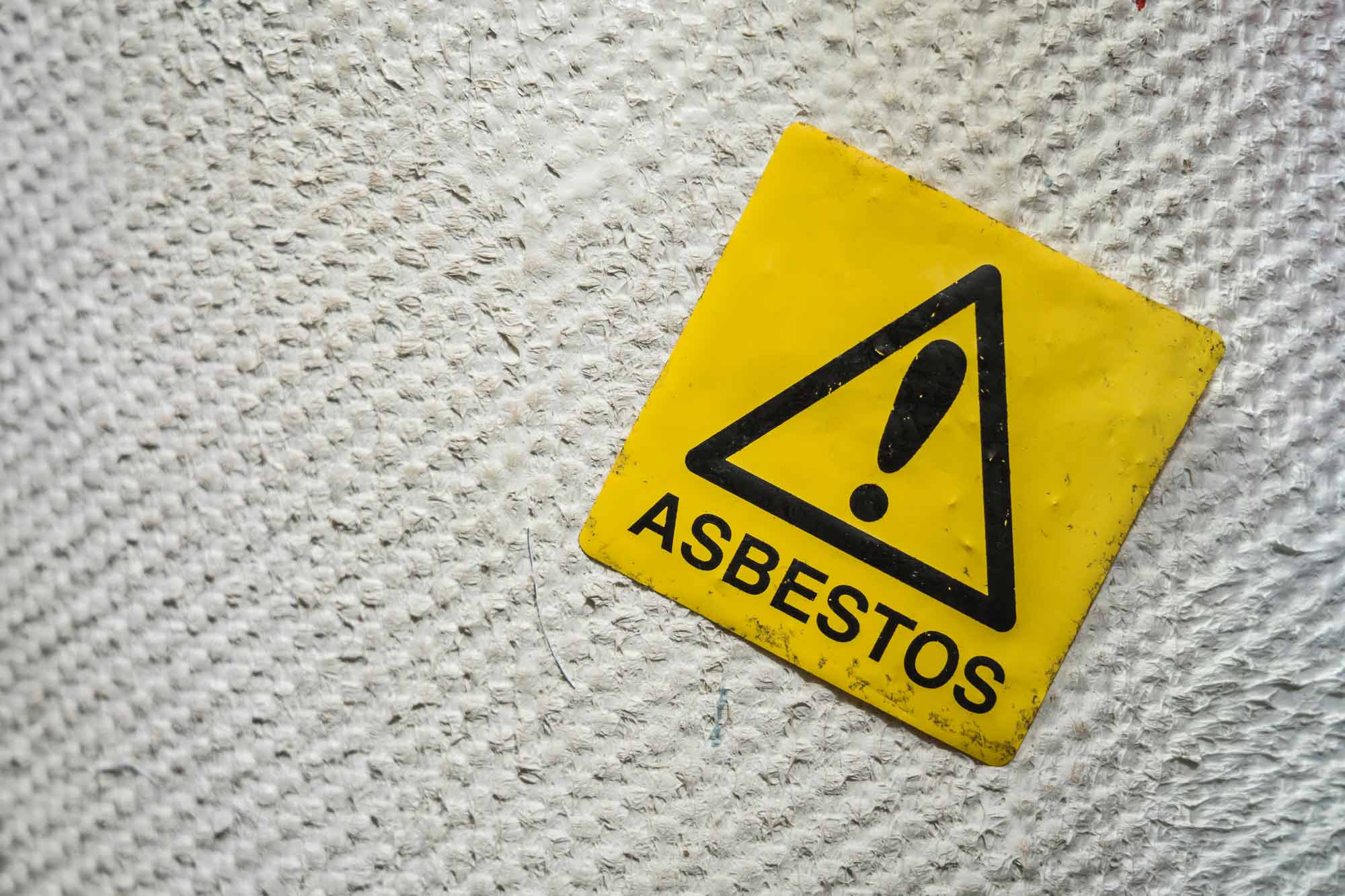
Your Asbestos Compliance Will Not Fail on Day One. It Fails Twelve Months Later
The mistake I watch duty holders make every single week, and how easy it is to avoid.

Our Core
Services
At Spectra, we provide trusted, compliant solutions across asbestos, demolition, fire protection, remediation, and construction services — delivered safely and efficiently nationwide.


Why Choose
Spectra
With nationwide response, independent professional advice, and a qualified, experienced team, Spectra provides the confidence and capability your projects need. Our commitment is clear — to deliver safe, compliant, and cost-effective results every time.
Contact Spectra today — for trusted expertise in asbestos, demolition, fire protection, and environmental safety.