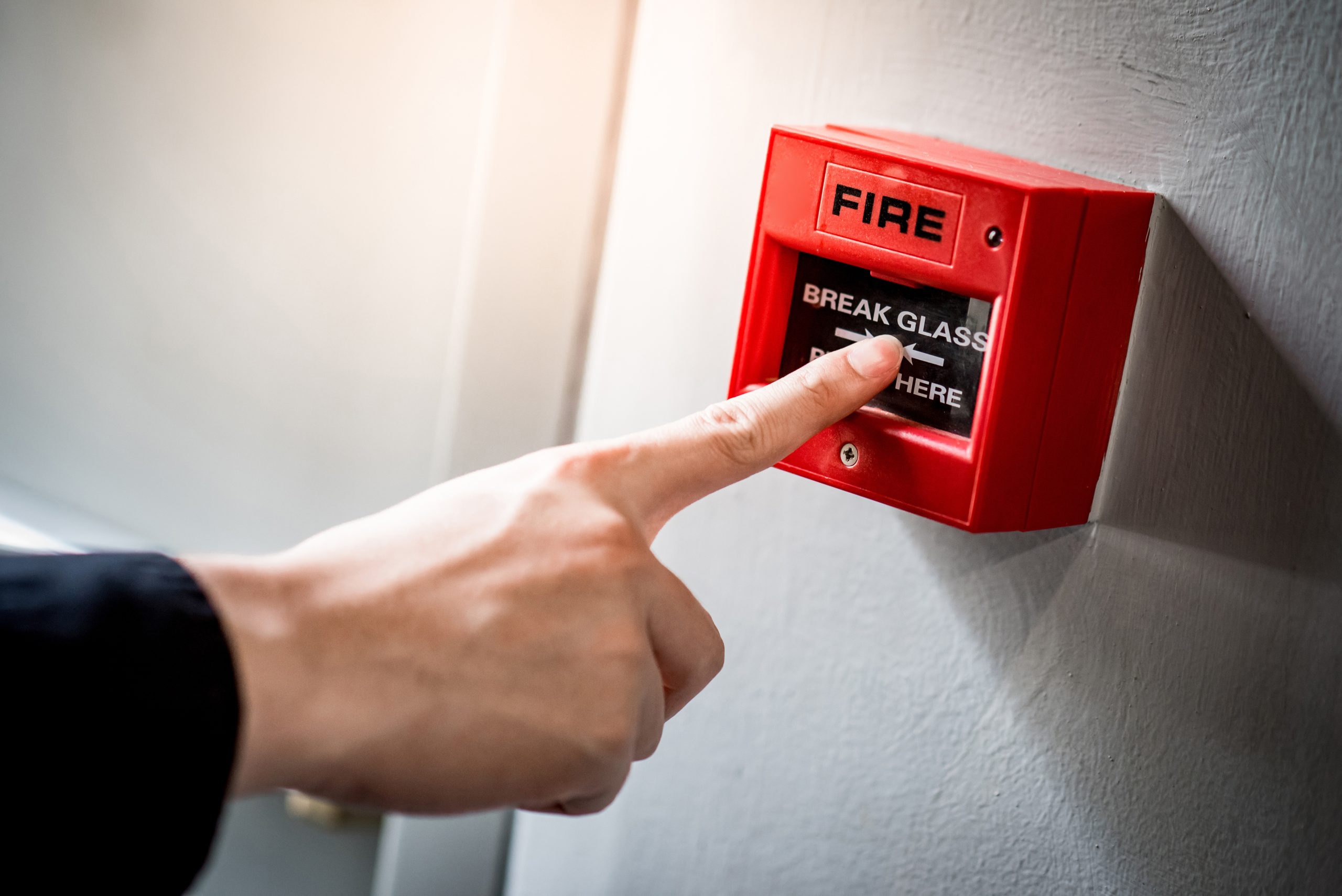
Three years after fire door inspections became mandatory, a nine-month study using Freedom of Information data from most local authorities in England has revealed a worrying finding for those managing residential blocks. Sixty-five percent of social housing fire doors fail to meet the FD30 fire-resistance standard—the legal minimum established over thirty years ago. This is not a new, more stringent standard that landlords are lagging behind; it is the baseline, and the majority of doors fall short.
What makes the inspection data difficult to justify is the extent of inaction beneath the headline figure. Only 46% of flat entrance doors have been inspected at least once since the law was enacted. Of the non-compliant doors identified, 63% have not yet been repaired or replaced. Over half of local authorities lack a formal plan to address the failures they’ve already discovered. These issues aren’t due to capacity limits but stem from systems and processes that have not been established.
Fire doors are the most noticeable part of a building’s passive fire protection system, but they are just one piece of the broader compartmentation framework. A door that cannot withstand a 30-minute fire is a failure point. Similarly, a damaged intumescent seal around a service penetration, a missing fire stop in a ceiling void, or a duct passing through a compartment wall without adequate protection also compromises safety. Fire protection is not based on a single product; it is a comprehensive system where every component must function properly to ensure overall effectiveness.
“65% is a bad number, but it’s the 63% of failed doors that still haven’t been touched that really gets me. You’ve found the problem, you know it’s there, and you’ve done nothing about it. That’s worse than not looking. We go in, survey the whole compartmentation picture — doors, seals, penetrations, the lot — and we fix what needs fixing. That’s the job, simple as that.”
— Perry Winch, Managing Director, Spectra Holdings
Industry News &
Insights
Updates, insights and practical perspectives on the challenges and changes affecting our clients and the sectors we work in.
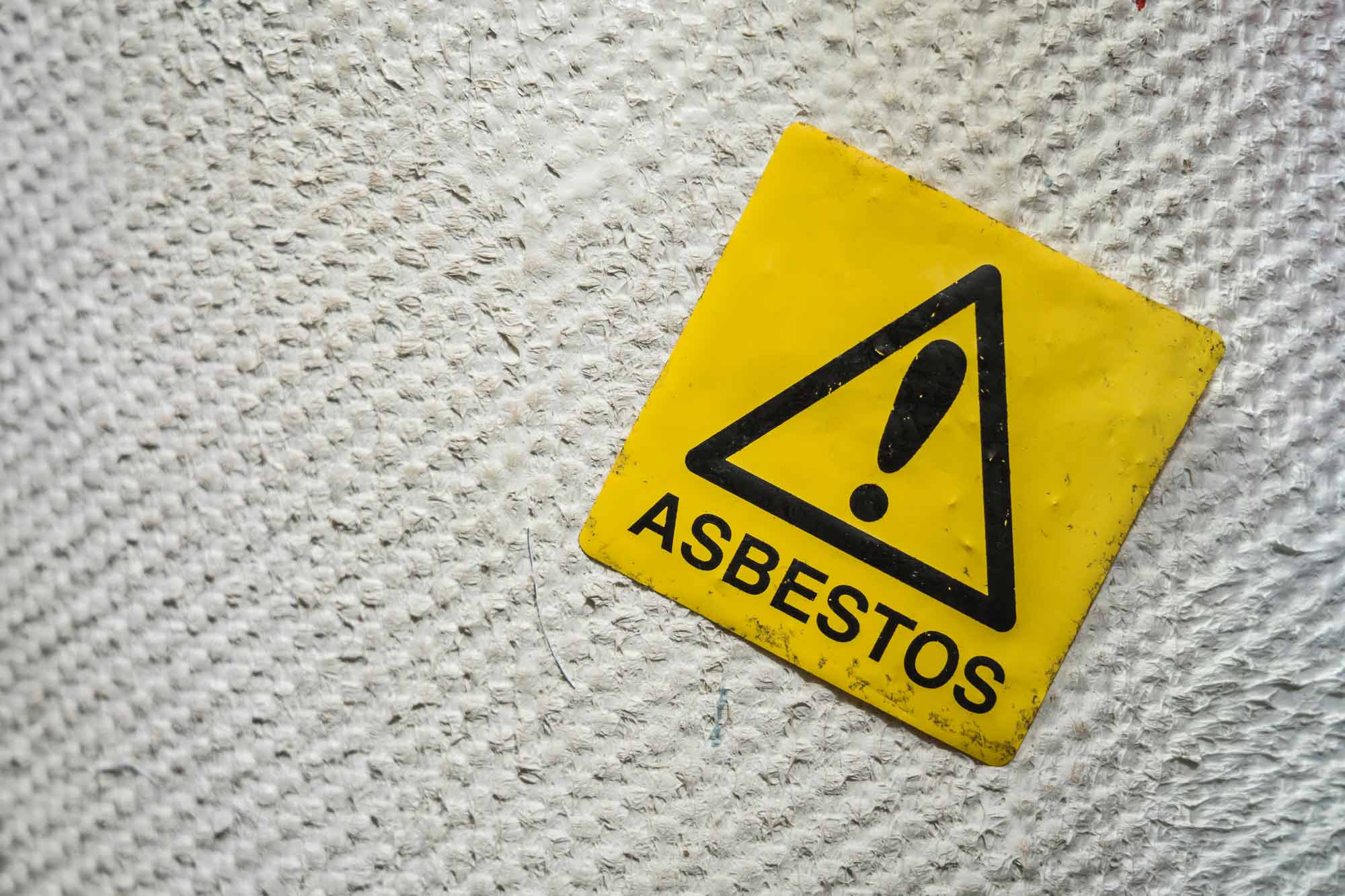
Your Asbestos Register Is Only as Good as the Last Time Someone Updated It
The most dangerous register is not the one you have not got. It is the one you think is fine.
Find out moreYour Asbestos Compliance Will Not Fail on Day One. It Fails Twelve Months Later
The mistake I watch duty holders make every single week, and how easy it is to avoid.

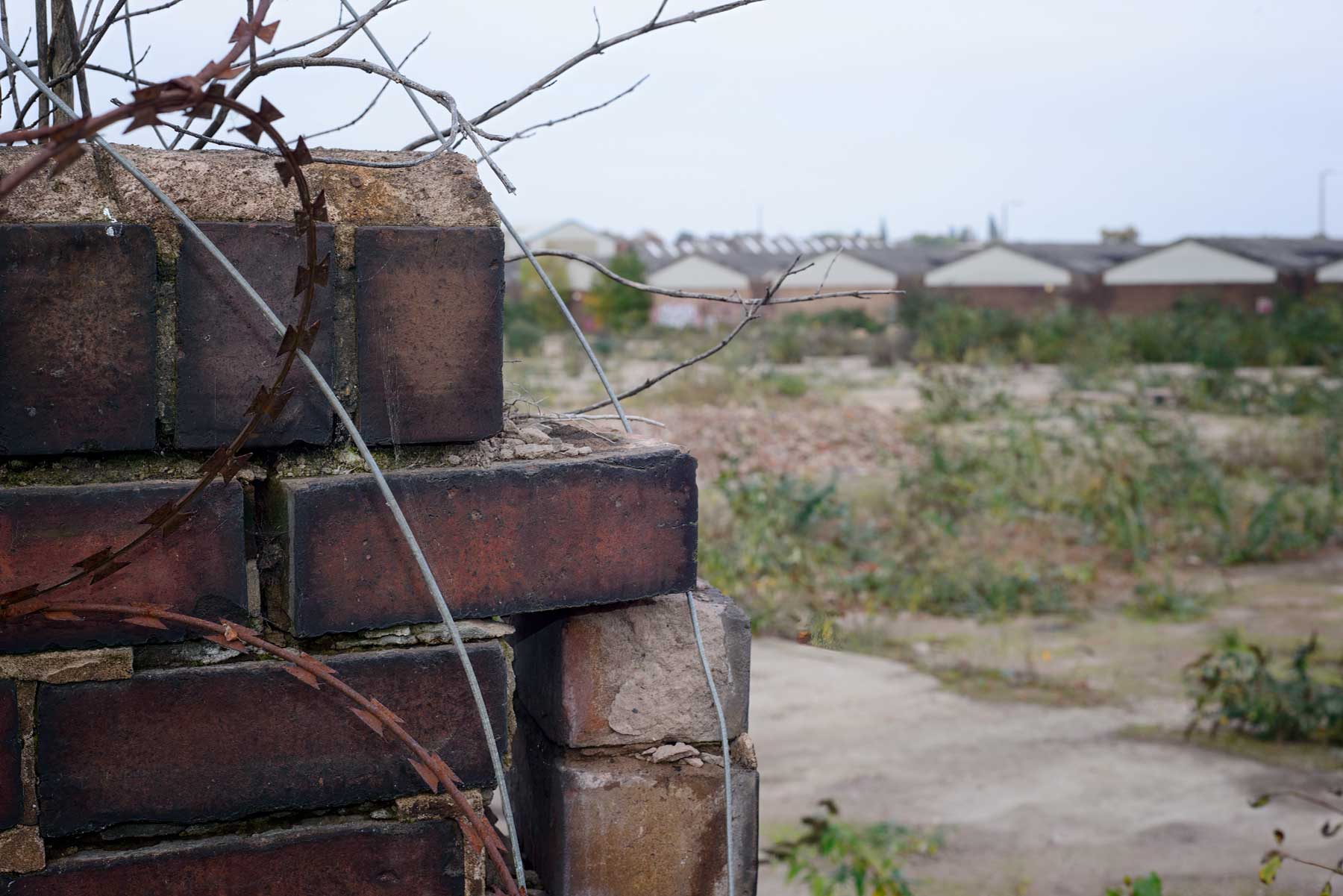
300,000 Potentially Contaminated UK Sites — and Most Don’t Have Adequate Records
Research published in 2026 has highlighted the extent to which contaminated industrial sites across England remain inadequately documented. For developers working on brownfield land, the practical consequences of that gap are well understood.
The HSE’s Asbestos Consultation Has Closed — Here’s What the Proposed Changes Mean in Practice
The HSE’s public consultation on strengthening asbestos regulations closed in January 2026, with analysis and any proposed legislative changes expected in the coming months. Some of the proposals have direct practical implications for duty holders, building owners and anyone commissioning asbestos work.

Our Core
Services
At Spectra, we provide trusted, compliant solutions across asbestos, demolition, fire protection, remediation, and construction services — delivered safely and efficiently nationwide.



Why Choose
Spectra
With nationwide response, independent professional advice, and a qualified, experienced team, Spectra provides the confidence and capability your projects need. Our commitment is clear — to deliver safe, compliant, and cost-effective results every time.
Contact Spectra today — for trusted expertise in asbestos, demolition, fire protection, and environmental safety.