The push for brownfield development is real and gaining speed. The government’s £60 million fund for nearly 100 regeneration projects — with significant amounts allocated to Greater Manchester, the Midlands, and other urban centres — forms part of a wider strategy to deliver 1.5 million new homes without encroaching on the green belt. The ambition exists. The funding is available.
What isn’t always there is a clear-eyed assessment of what’s actually in the ground.
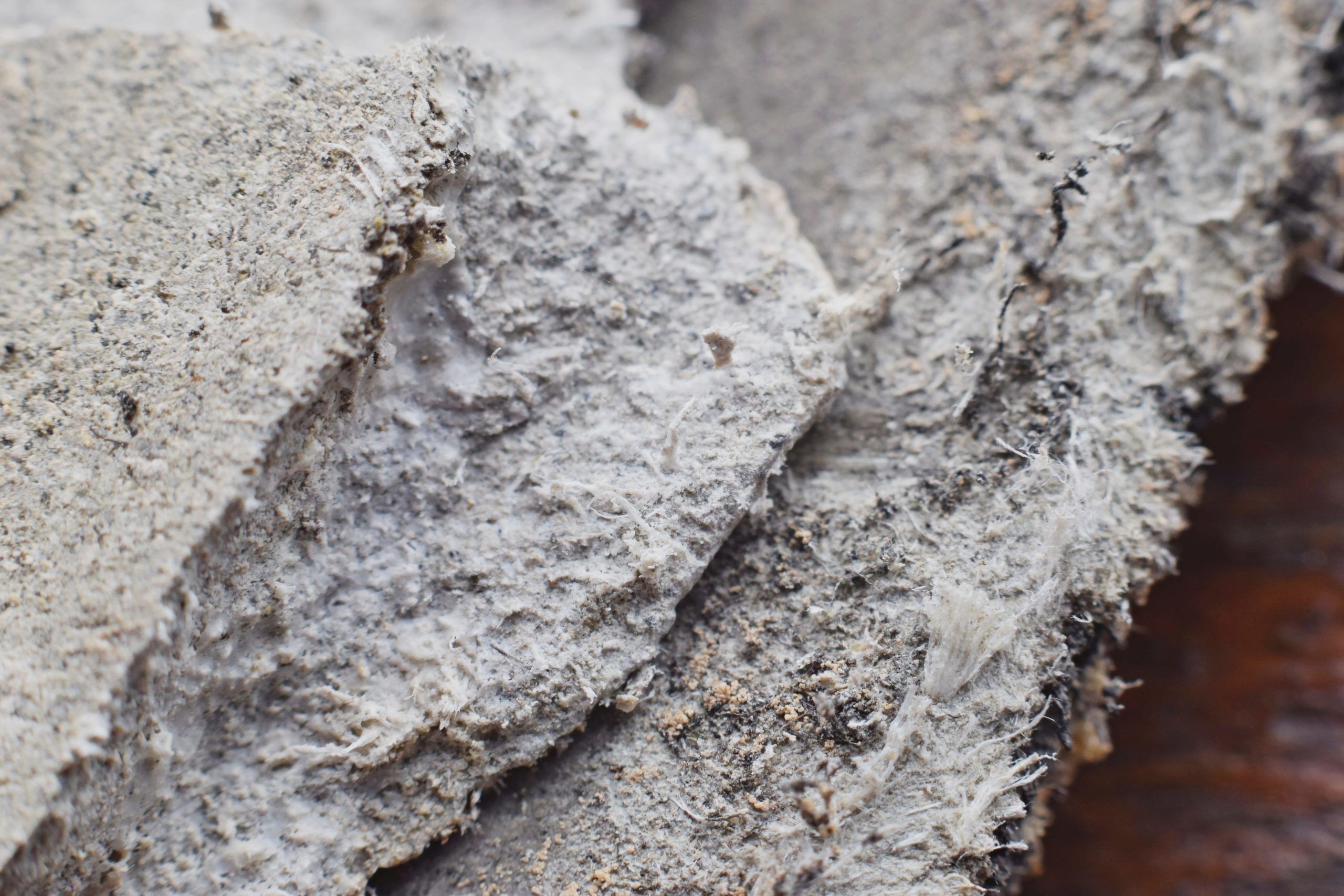
Former industrial sites carry a history of contamination. Soil often contains hydrocarbons, heavy metals, asbestos, and unknown made ground. On brownfield sites, these issues are common, not exceptions. Ground investigation, remediation plans, and validation are essential before starting construction. Skipping or rushing this phase doesn’t save time; it leads to delays and surprises during the enabling works when unexpected problems are uncovered.
The brownfield sites currently receiving funding are often former transport, industrial or manufacturing land — precisely the type of use history that requires thorough environmental due diligence before any construction begins.
Spectra offers land and environmental remediation across the North West, Midlands, and South East, including asbestos in soils, contaminated land treatment, and site preparation prior to development. If you’re working on a brownfield scheme — or bidding for one — understanding the ground conditions early is essential to keep the programme on track.
Industry News &
Insights
Updates, insights and practical perspectives on the challenges and changes affecting our clients and the sectors we work in.
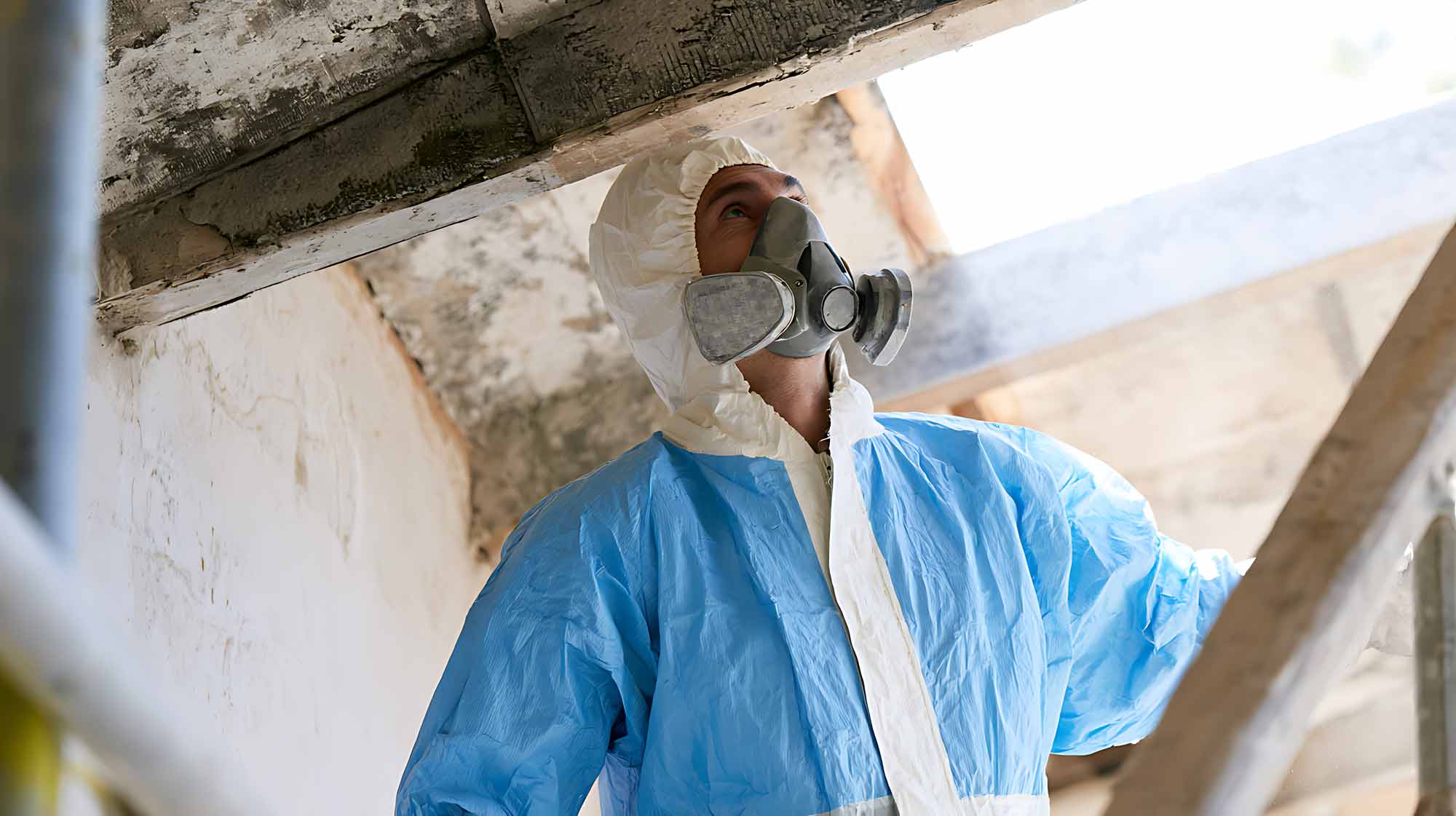
What Actually Makes a Poor Asbestos Survey, and How to Spot One Before You Commission It
We are all trained to the same standard. So why is the quality all over the place? Two words: human interpretation.
Find out moreIf You Open With What Is Your Cheapest Price, We Are Probably Done Already
Why the lowest number is a red flag, not a starting point, in work that is driven by law.

Your Asbestos Register Is Only as Good as the Last Time Someone Updated It
The most dangerous register is not the one you have not got. It is the one you think is fine.
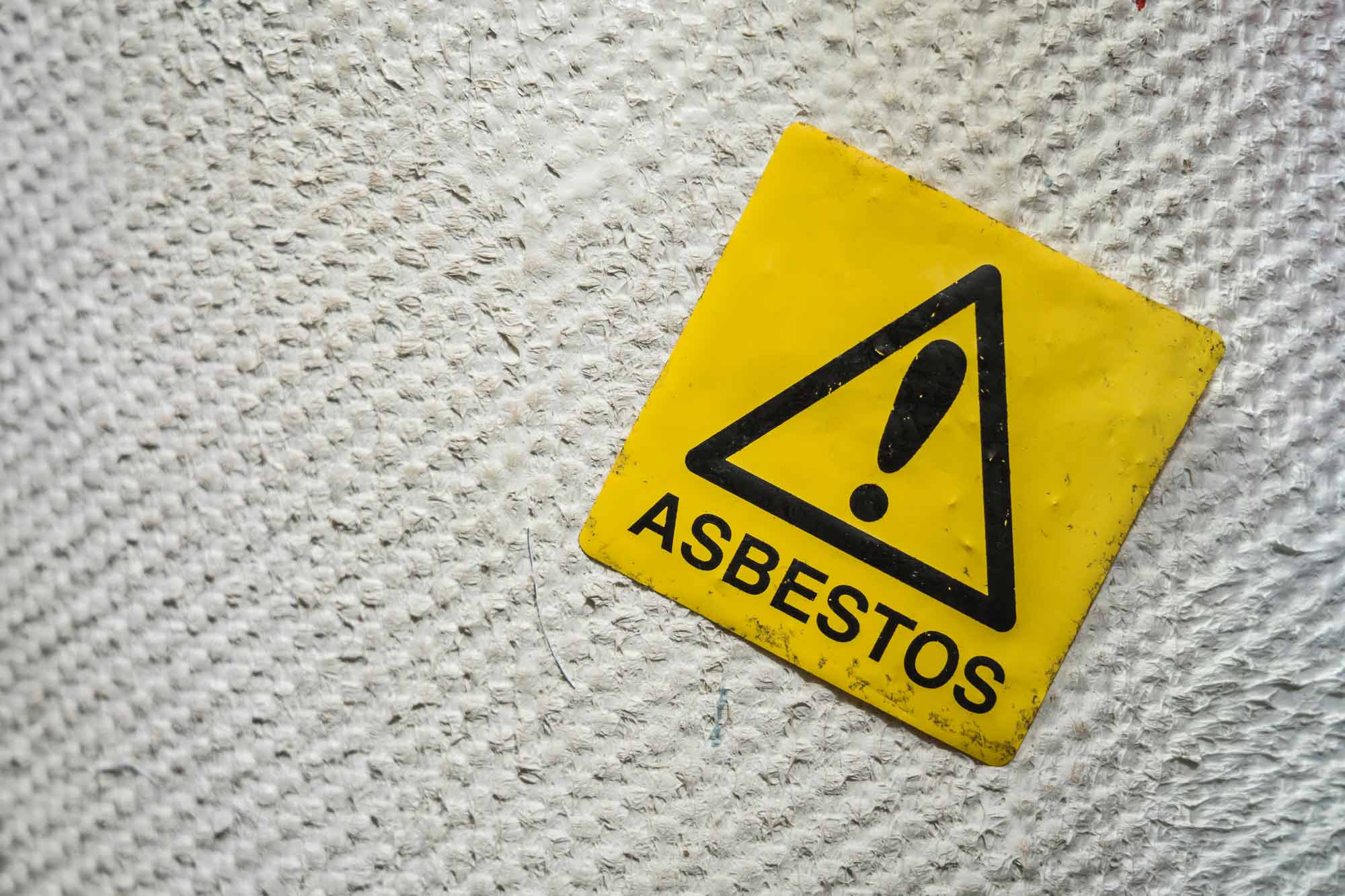
Your Asbestos Compliance Will Not Fail on Day One. It Fails Twelve Months Later
The mistake I watch duty holders make every single week, and how easy it is to avoid.

Our Core
Services
At Spectra, we provide trusted, compliant solutions across asbestos, demolition, fire protection, remediation, and construction services — delivered safely and efficiently nationwide.


Why Choose
Spectra
With nationwide response, independent professional advice, and a qualified, experienced team, Spectra provides the confidence and capability your projects need. Our commitment is clear — to deliver safe, compliant, and cost-effective results every time.
Contact Spectra today — for trusted expertise in asbestos, demolition, fire protection, and environmental safety.