It’s easy to see fire safety as something tackled only reactively — after an inspection, a complaint, or an incident. The regulatory landscape in 2026 makes that approach increasingly difficult to justify.
From 30 September, new amendments to Approved Document B mandate second staircases in new residential buildings over 18 metres, along with evacuation lifts for assisted escape. From April, new regulations on Residential Personal Emergency Evacuation Plans have already come into force. A major new national fire protection framework — covering compartmentation surveys, fire door sets, external wall assessments, and escape route works across public sector buildings — is currently out for early market engagement, replacing the existing framework later in the year. The direction of travel is clear.
None of this alters what is already required by current legislation. Responsible persons remain obliged to inspect flat entrance and communal fire doors regularly, ensure self-closers function correctly, and maintain compartmentation. Many fail to meet these standards. A compartmentation survey conducted today often uncovers penetrations, damaged intumescent seals, and missing protections that have been in place for years — invisible to occupants and legally the responsibility of the landlord or building manager.
Spectra holds IFC accreditation for passive fire protection and fire stopping across commercial and residential buildings. If your last compartmentation survey was over twelve months ago — or you’ve had any building works since — it’s advisable to review your situation well before September.
Industry News &
Insights
Updates, insights and practical perspectives on the challenges and changes affecting our clients and the sectors we work in.
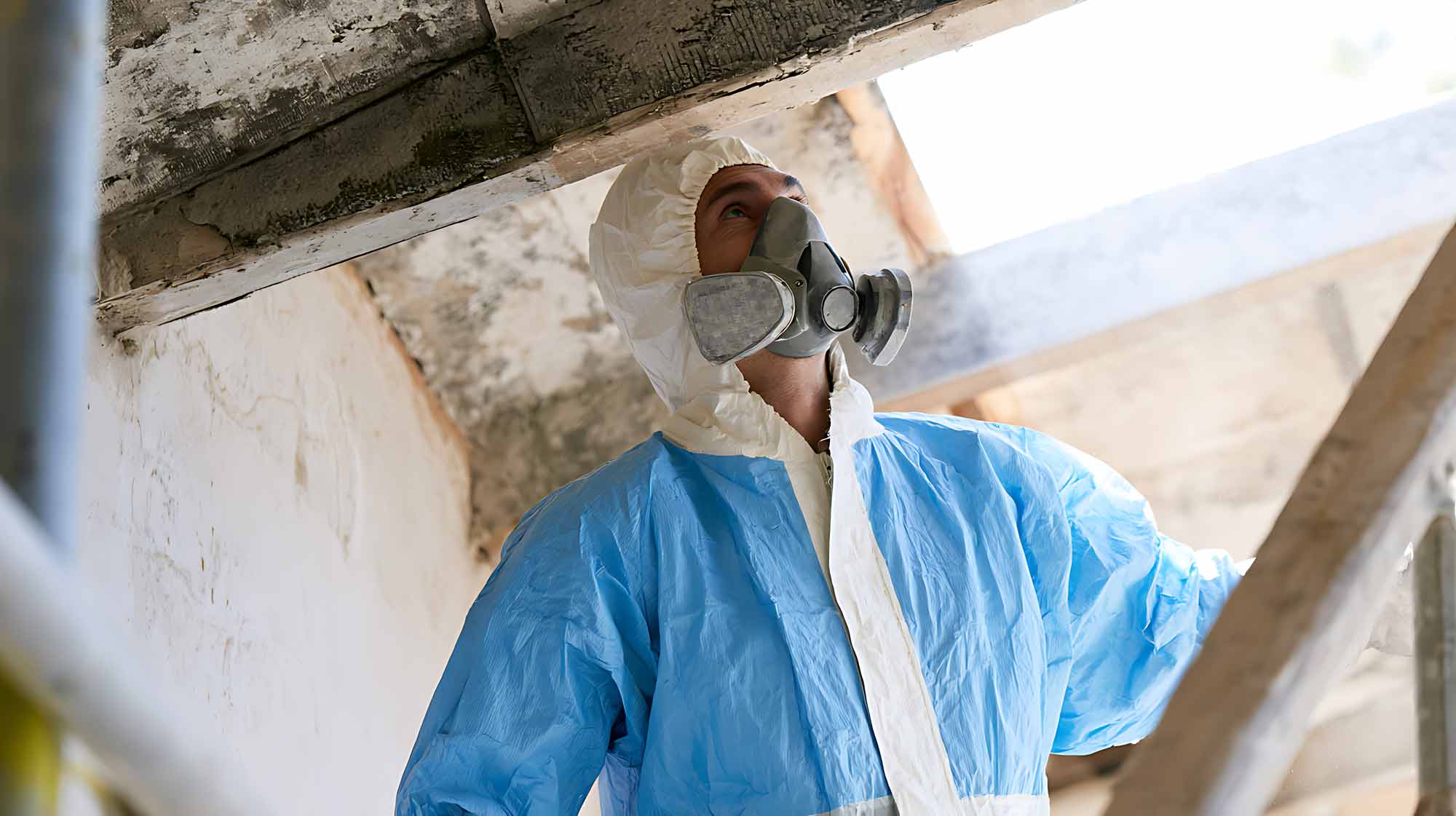
What Actually Makes a Poor Asbestos Survey, and How to Spot One Before You Commission It
We are all trained to the same standard. So why is the quality all over the place? Two words: human interpretation.
Find out moreIf You Open With What Is Your Cheapest Price, We Are Probably Done Already
Why the lowest number is a red flag, not a starting point, in work that is driven by law.

Your Asbestos Register Is Only as Good as the Last Time Someone Updated It
The most dangerous register is not the one you have not got. It is the one you think is fine.
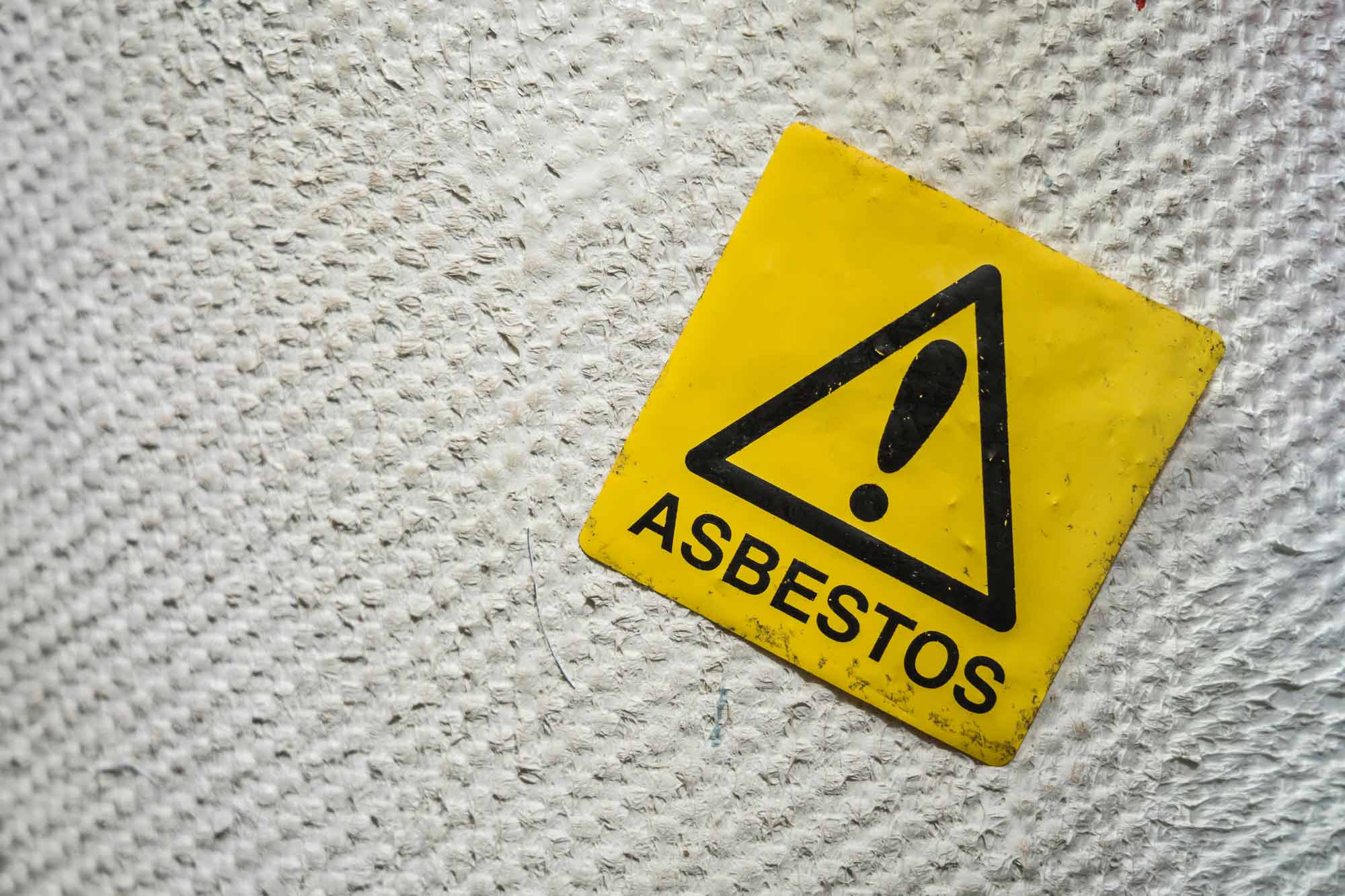
Your Asbestos Compliance Will Not Fail on Day One. It Fails Twelve Months Later
The mistake I watch duty holders make every single week, and how easy it is to avoid.

Our Core
Services
At Spectra, we provide trusted, compliant solutions across asbestos, demolition, fire protection, remediation, and construction services — delivered safely and efficiently nationwide.

Why Choose
Spectra
With nationwide response, independent professional advice, and a qualified, experienced team, Spectra provides the confidence and capability your projects need. Our commitment is clear — to deliver safe, compliant, and cost-effective results every time.
Contact Spectra today — for trusted expertise in asbestos, demolition, fire protection, and environmental safety.