The conventional facilities management approach is well-known to those involved in building operations: when something breaks, a contractor is called to repair it. This reactive process has maintained building functionality for many years, but it is costly and becoming less effective for managing assets. Unscheduled repairs often incur higher costs than planned maintenance, disrupt occupants, and in regulated settings, can lead to compliance issues that might have been prevented.
Construction facilities management now extends well beyond reactive repairs. Statutory compliance tasks—such as fire door inspections, asbestos management plan reviews, electrical testing, and lift servicing—have defined schedules and documentation standards. Failing to meet these isn’t merely an operational mistake; it poses legal risks. For housing providers, local authorities, and public sector estate managers, the implications of non-compliance have become increasingly apparent and severe in recent years.
The move toward scheduled preventive maintenance significantly alters the economics of building management. Routine condition assessments detect deterioration early, preventing failures. Maintenance is planned according to occupancy schedules instead of being disrupted by emergencies. This approach improves the accuracy of budget forecasts. Importantly, it creates a systematic audit trail that regulators, insurers, and asset managers increasingly require, rather than having to compile it retrospectively after issues arise.
The integration of facilities management is essential. When operated independently from broader capital projects such as refurbishment, decarbonisation, and enabling works, it misses valuable opportunities for coordination. For instance, planned maintenance visits that identify fabric issues can help schedule insulation upgrades effectively. Compliance inspections detecting fire stopping breaches can be directly linked to remediation efforts. The true value of construction facilities management lies in connecting these workstreams, rather than handling them as isolated contracts.
Spectra’s construction facilities management services assist clients across social housing, the public sector, and commercial property throughout the UK. These services include planned maintenance, compliance management, and estate improvement projects. For organizations that currently rely on reactive maintenance and seek a more organized, cost-efficient strategy, the first step is understanding the actual needs of the estate — and the right timing for each action.
Industry News &
Insights
Updates, insights and practical perspectives on the challenges and changes affecting our clients and the sectors we work in.

What Actually Makes a Poor Asbestos Survey, and How to Spot One Before You Commission It
We are all trained to the same standard. So why is the quality all over the place? Two words: human interpretation.
Find out moreIf You Open With What Is Your Cheapest Price, We Are Probably Done Already
Why the lowest number is a red flag, not a starting point, in work that is driven by law.

Your Asbestos Register Is Only as Good as the Last Time Someone Updated It
The most dangerous register is not the one you have not got. It is the one you think is fine.
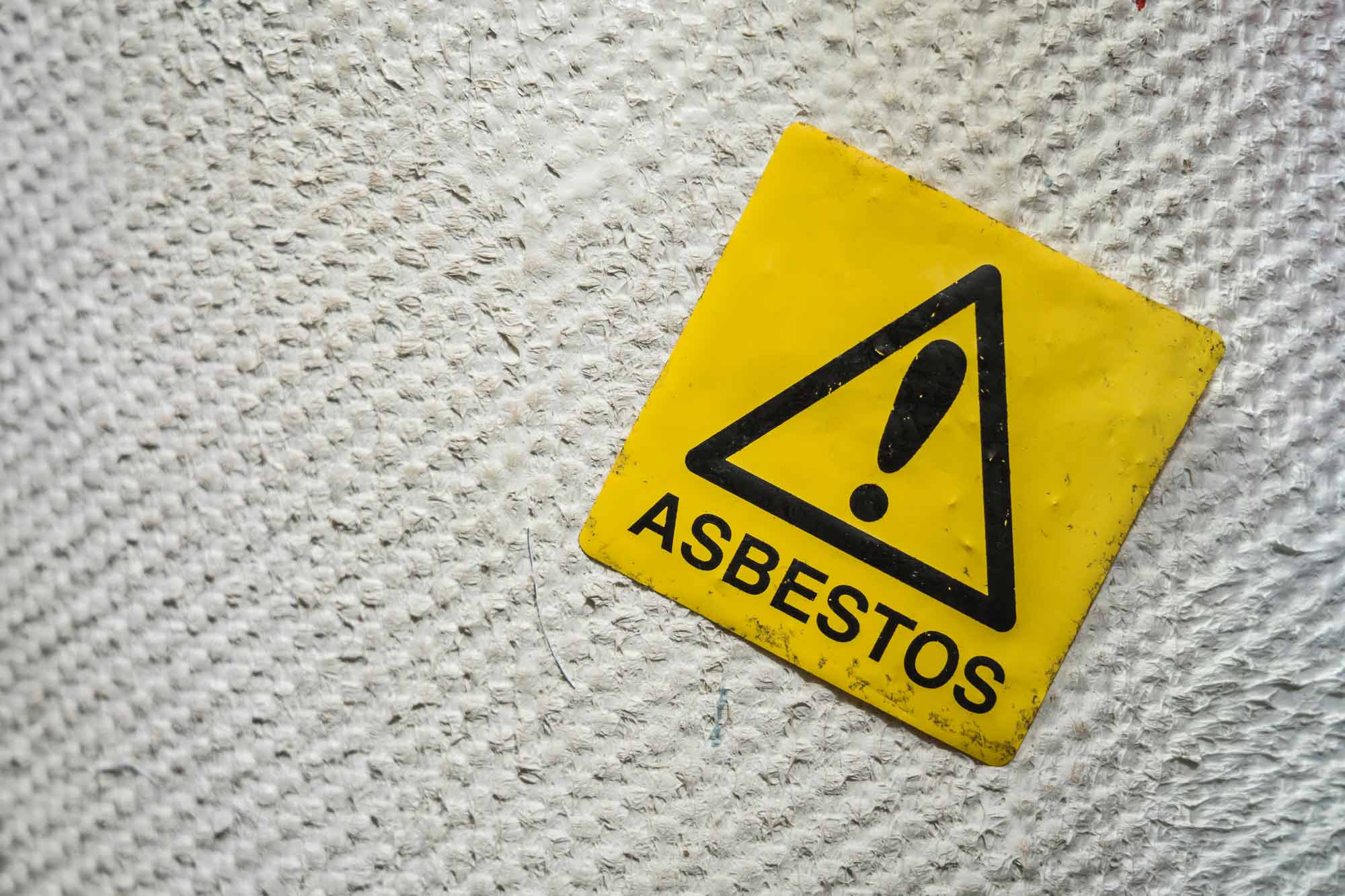
Your Asbestos Compliance Will Not Fail on Day One. It Fails Twelve Months Later
The mistake I watch duty holders make every single week, and how easy it is to avoid.

Our Core
Services
At Spectra, we provide trusted, compliant solutions across asbestos, demolition, fire protection, remediation, and construction services — delivered safely and efficiently nationwide.



Why Choose
Spectra
With nationwide response, independent professional advice, and a qualified, experienced team, Spectra provides the confidence and capability your projects need. Our commitment is clear — to deliver safe, compliant, and cost-effective results every time.
Contact Spectra today — for trusted expertise in asbestos, demolition, fire protection, and environmental safety.