The HSE’s consultation did not propose removing the Control of Asbestos at Work Regulations 2012 — they will remain in place. Instead, it focused on addressing gaps in their implementation, such as survey quality, surveyor competence, and the definitions and regulations surrounding specific work categories. The analysis is scheduled for release in the first half of 2026, and the overall direction is already quite evident prior to the official response.
A key proposal addresses the independence of post-removal clearance testing. Presently, regulations do not explicitly prohibit the same contractor responsible for removal from also performing the four-stage clearance and air testing that certifies an area as safe for reoccupation. The consultation has questioned whether this independence should be required. This is a valid concern. Clearance testing is meant to serve as an independent verification—if the same organisation with a commercial stake in the project’s timely completion conducts the test, its impartiality could be called into question.
The proposals concerning asbestos survey quality and surveyor competence highlight an issue the industry has recognised for years: not every survey is of the same quality, and surveyors vary in skill. HSE research revealed that higher-risk materials were often misclassified to circumvent licensed-contractor rules. Clarifying what counts as notifiable non-licensed work and raising standards for surveyors will discourage shortcuts, which is the intended goal.
For duty holders, the practical implication is that the standard currently applied informally by qualified operators is likely to become the regulatory minimum. This means commissioning asbestos surveys from properly qualified surveyors, ensuring air testing is conducted independently of the removal contractors, and maintaining accurate, up-to-date registers are not just best practices—they are the direction regulations are heading.
“This should never have needed a consultation. If you remove the asbestos and then sign your own clearance certificate, where’s the actual check? It’s not independent — it’s a contractor marking their own homework. We’ve always kept our air testing completely separate from removal. That’s the only way it means anything. The regulations should have said so years ago.”
— Perry Winch, Managing Director, Spectra Holdings
Industry News &
Insights
Updates, insights and practical perspectives on the challenges and changes affecting our clients and the sectors we work in.
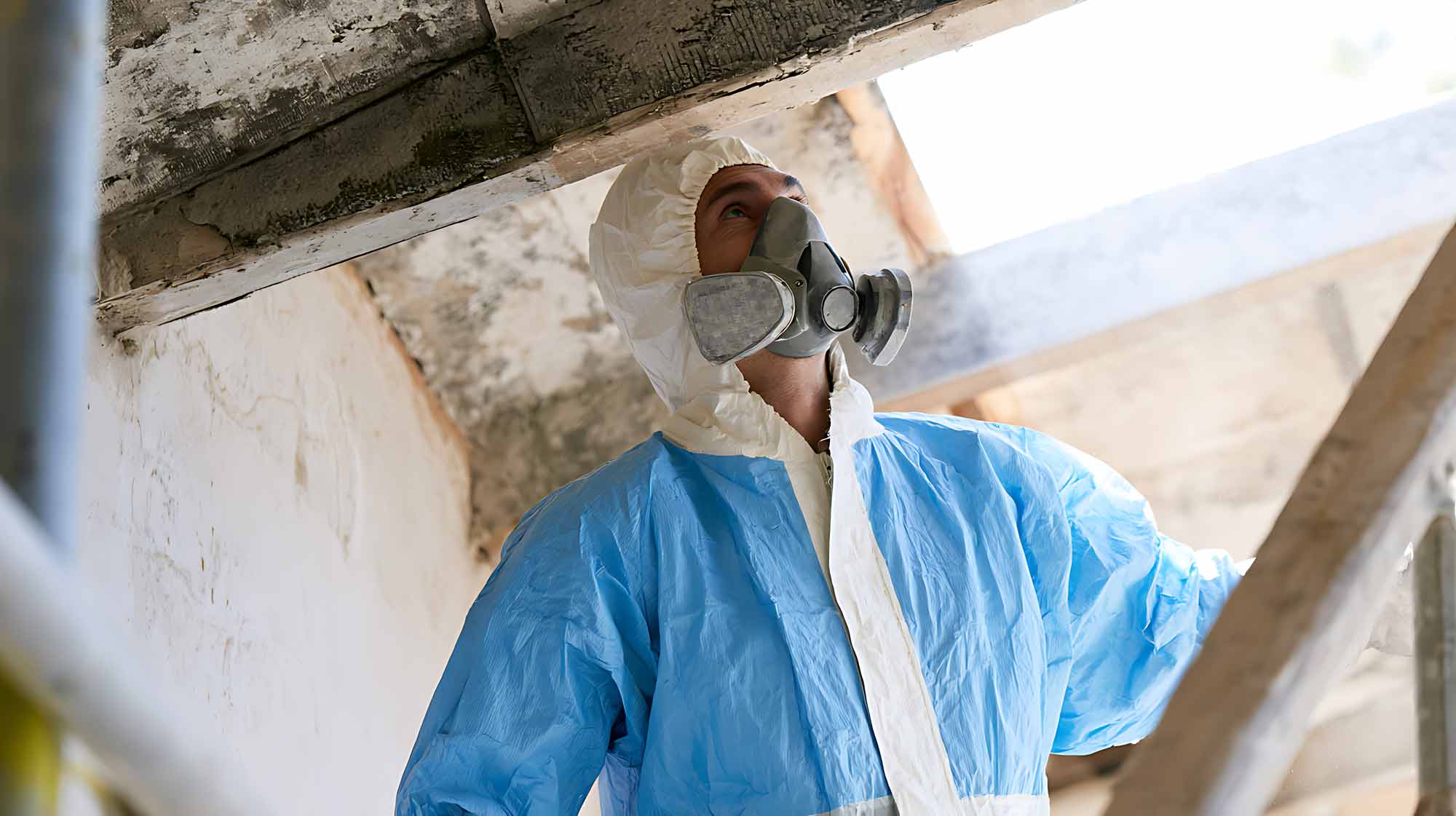
What Actually Makes a Poor Asbestos Survey, and How to Spot One Before You Commission It
We are all trained to the same standard. So why is the quality all over the place? Two words: human interpretation.
Find out moreIf You Open With What Is Your Cheapest Price, We Are Probably Done Already
Why the lowest number is a red flag, not a starting point, in work that is driven by law.

Your Asbestos Register Is Only as Good as the Last Time Someone Updated It
The most dangerous register is not the one you have not got. It is the one you think is fine.
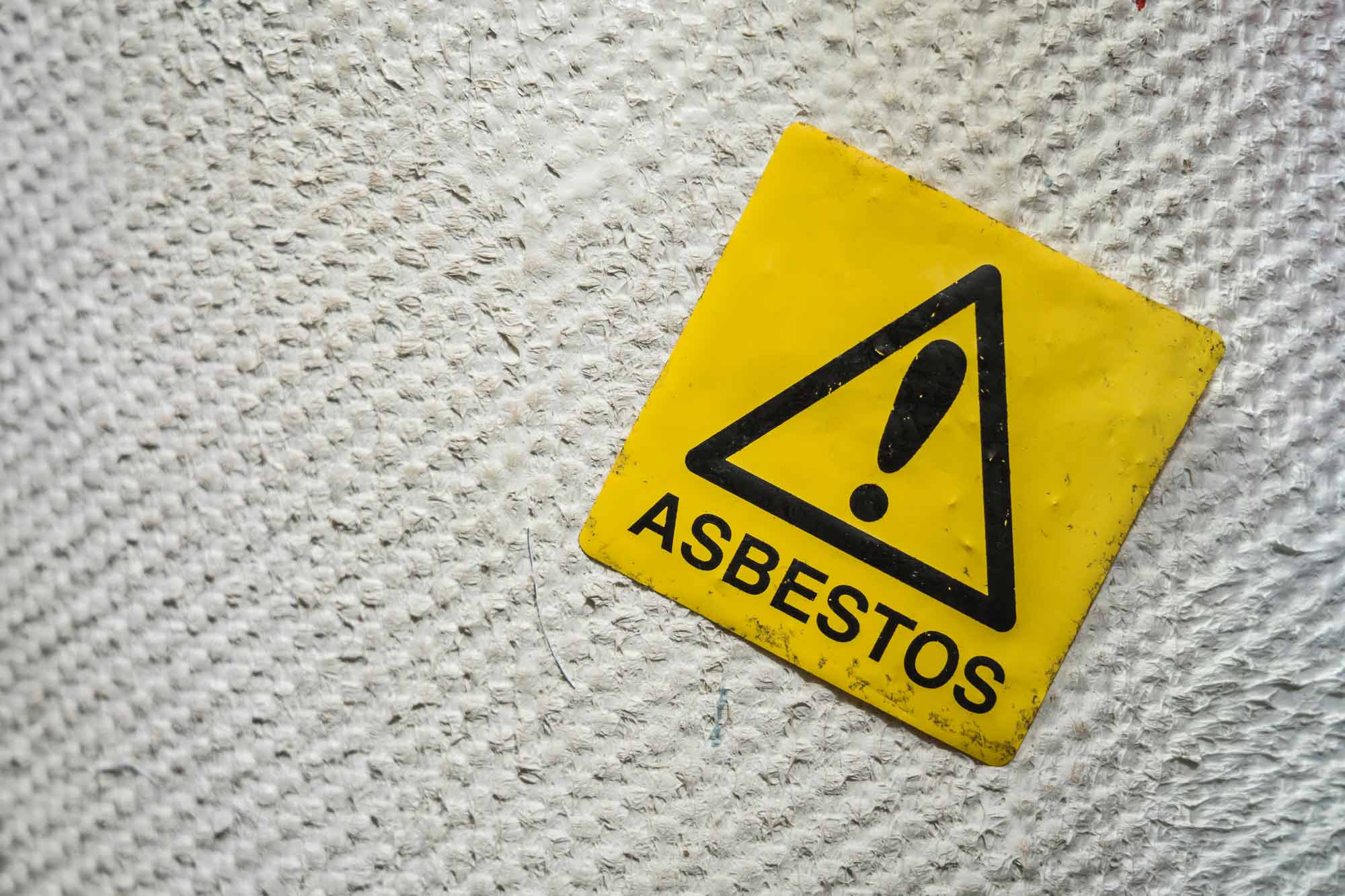
Your Asbestos Compliance Will Not Fail on Day One. It Fails Twelve Months Later
The mistake I watch duty holders make every single week, and how easy it is to avoid.

Our Core
Services
At Spectra, we provide trusted, compliant solutions across asbestos, demolition, fire protection, remediation, and construction services — delivered safely and efficiently nationwide.

Why Choose
Spectra
With nationwide response, independent professional advice, and a qualified, experienced team, Spectra provides the confidence and capability your projects need. Our commitment is clear — to deliver safe, compliant, and cost-effective results every time.
Contact Spectra today — for trusted expertise in asbestos, demolition, fire protection, and environmental safety.