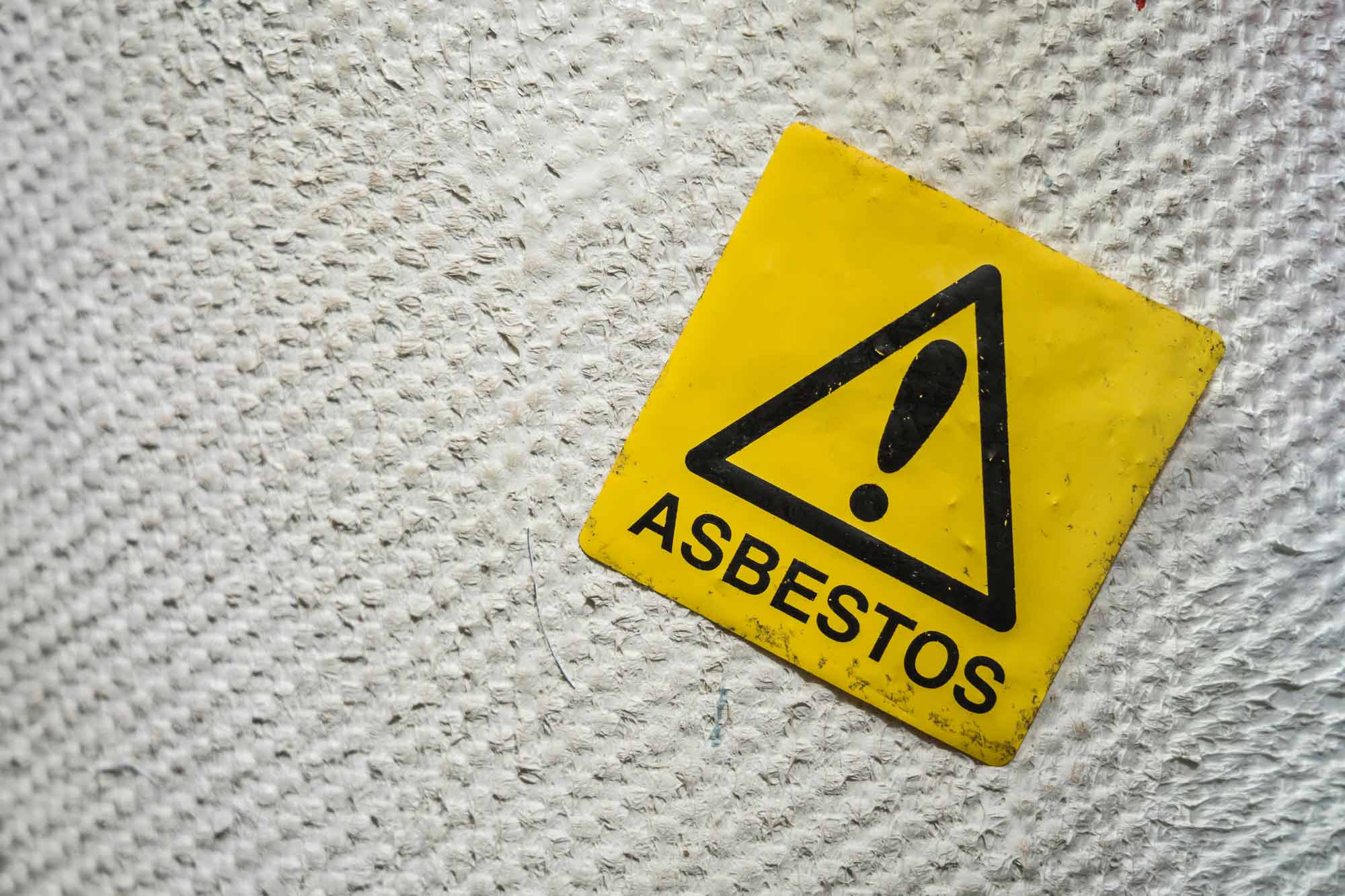
Discussions about asbestos in construction usually center on buildings—such as pipe lagging, ceiling tiles, and insulation boards. However, the issue of asbestos in soils receives less focus, despite being a significant and increasing concern on former industrial sites in Essex, Kent, the North West, and other regions with industrial or port histories. Its less visible nature and lower recognition mean it is often discovered later than ideal.
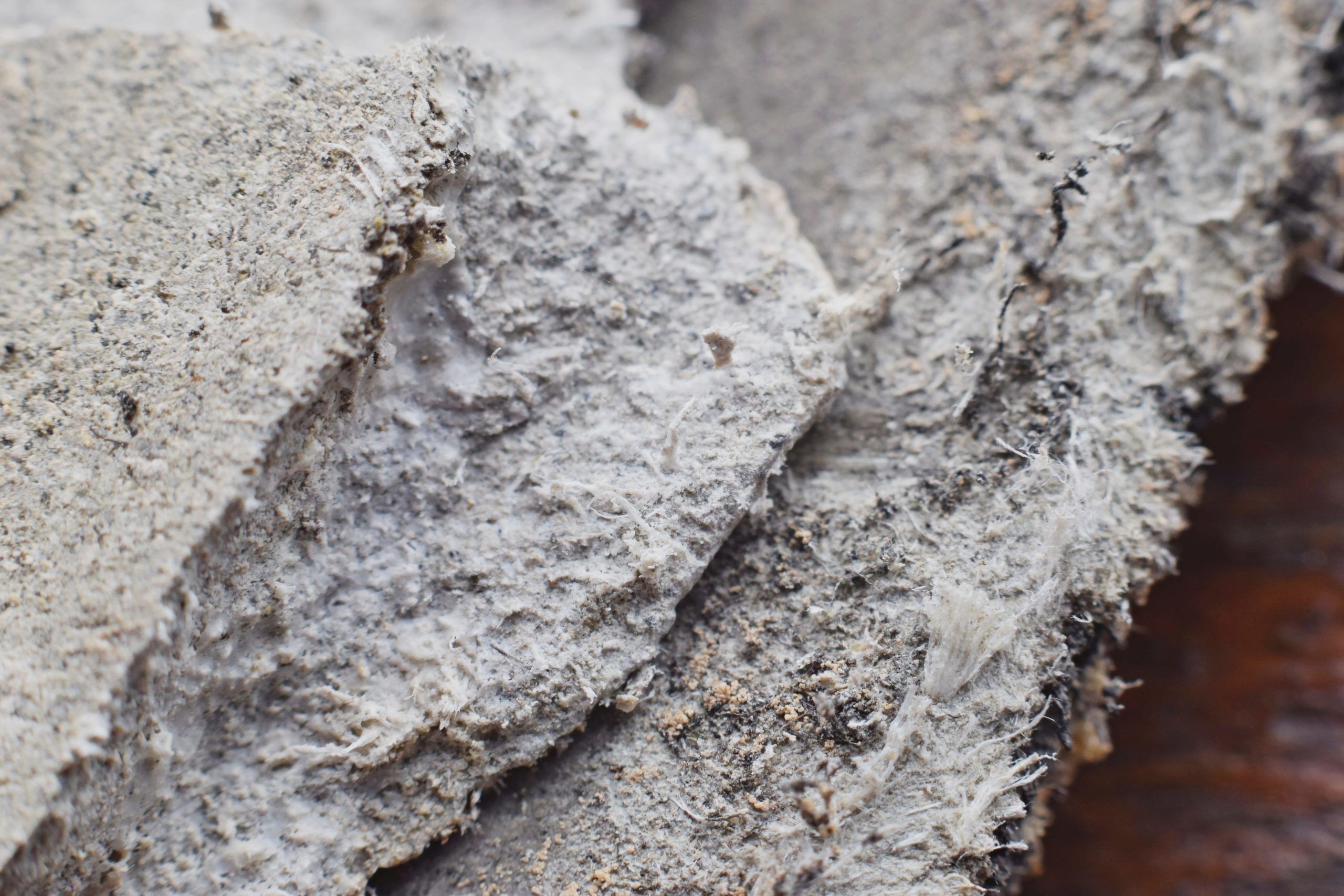
Asbestos in soils usually comes from demolition debris. When buildings with asbestos-containing materials were demolished—often decades ago, before such materials were banned or disposal standards improved—the debris was often used as fill, spread on-site, or left in made ground layers. In former industrial areas, factory sites, docklands, and ports, finding historically contaminated fill like this is common and not unusual.
The development process carries considerable risk. Construction tasks such as excavation, piling, drainage, and foundation work can disturb asbestos-containing material and release fibres into the air. Workers performing groundworks without awareness of asbestos presence are exposed to a danger that proper site investigations would have identified and mitigated. This situation often leads to enforcement actions, but it is entirely avoidable.
Investigating soils for asbestos requires specialized sampling and analysis. Typical geotechnical investigations usually don’t cover asbestos testing unless specifically planned. For sites with a history of industrial use, demolition, or unknown fill sources, it is essential to include targeted asbestos assessments from the beginning of the ground investigation. When asbestos is detected, the remediation plan must be tailored appropriately — involving controlled removal, proper waste classification and disposal, and validation to ensure the site meets the required cleanup standards.
Spectra collaborates with developers and contractors throughout Essex, Kent, the North West, and beyond, conducting asbestos surveys and site investigations. They also provide controlled land remediation, including the removal of asbestos in soils. For sites where enforcement actions, project delays, or unforeseen remediation costs could occur, early investigation combined with a structured response to findings offers a clear and effective solution.
Industry News &
Insights
Updates, insights and practical perspectives on the challenges and changes affecting our clients and the sectors we work in.

What Actually Makes a Poor Asbestos Survey, and How to Spot One Before You Commission It
We are all trained to the same standard. So why is the quality all over the place? Two words: human interpretation.
Find out moreIf You Open With What Is Your Cheapest Price, We Are Probably Done Already
Why the lowest number is a red flag, not a starting point, in work that is driven by law.

Your Asbestos Register Is Only as Good as the Last Time Someone Updated It
The most dangerous register is not the one you have not got. It is the one you think is fine.
Your Asbestos Compliance Will Not Fail on Day One. It Fails Twelve Months Later
The mistake I watch duty holders make every single week, and how easy it is to avoid.

Our Core
Services
At Spectra, we provide trusted, compliant solutions across asbestos, demolition, fire protection, remediation, and construction services — delivered safely and efficiently nationwide.



Why Choose
Spectra
With nationwide response, independent professional advice, and a qualified, experienced team, Spectra provides the confidence and capability your projects need. Our commitment is clear — to deliver safe, compliant, and cost-effective results every time.
Contact Spectra today — for trusted expertise in asbestos, demolition, fire protection, and environmental safety.